
Wabak Pertussis: How To Cure Whooping Cough Naturally
- What is Whooping cough?
- What are the stages of Whooping Cough
- What are the Symptoms of Whooping Cough?
- What are the complications of Whooping Cough?
- What are the Causes and Risk Factors of Whooping Cough?
- Treatments for Whooping Cough
- Medical treatment
- Home Remedies to cure Whooping Cough
- What are the treatment Options of Whooping Cough used in Other Countries?
- How to Prevent Whooping Cough?
- Conclusion
Key Highlights
- Whooping cough, caused by Bordetella pertussis, is highly contagious, marked by severe coughing fits.
- Symptoms progress through catarrhal, paroxysmal, and convalescent stages, with complications threatening infants and unvaccinated individuals.
- Spread via respiratory droplets, the infection poses higher risks to infants and older adults, emphasizing the importance of vaccination.
- Treatment includes antibiotics and supportive care, while vaccination remains pivotal in global prevention efforts.

Although pertussis is largely a pediatric disease, adolescents and adults can also contract it; 38% of cases occur in babies younger than six months while 71% of cases are seen in children younger than five years. Wabak pertussis can spread rapidly and infect many causing an outbreak.
The blog discusses Wabak Pertussis: How to cure whooping cough naturally? It also covers symptoms, risk factors, and treatment strategies for whooping cough.
What is whooping cough?
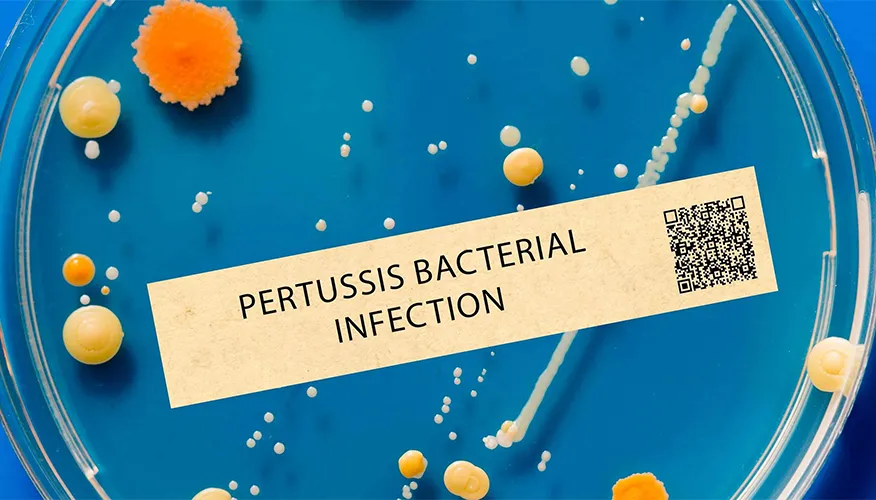
Whooping cough, also known as pertussis, is a respiratory infection caused by a bacterium - Bordetella pertussis. Pertussis spreads via droplets produced by coughing or sneezing.
The initial symptoms resemble those of a common cold including mild fever, runny nose, and cough, which then develops into a hacking, violent cough followed by whooping.
Whooping refers to the sound that follows during prolonged intake of breath after coughing.
What are the stages of whooping cough
Stage 1 (lasts for 1 to 2 weeks)
- Symptoms include runny or stuffy nose, fever (less than 100.4°F), mild and occasional cough
- There are higher chances of infection spreading in this stage.
Stage 2 (lasts for 1 to 6 weeks, may extend up to 10 weeks)
Symptoms include
- Rapid, violent coughing bouts
- Whooping cough sound: High-pitched “whoop” sound after breathing in at the end of a coughing fit
- Vomiting during or after coughing bouts
- Fatigue followed by bouts
- Breathing difficulty
Stage 3 (lasts for 2 to 3 weeks)
- Recovery is slow
- Coughing fits become less common and severe
- Coughing can be triggered by another upper respiratory infection or irritant.
What are the symptoms of whooping cough?
Symptoms in infants
Infants may struggle to breathe and as a result, may turn blue. They might not cough at all and may show common cold symptoms for the entire illness, not just in the early stages.
Symptoms in adults
Pertussis in adults and teens generally causes milder symptoms than in infants, especially in those vaccinated against whooping cough. Unvaccinated teens and adults may experience prolonged coughing fits that keep them up at night
What are the complications of whooping cough?
Complications in infants
About one-third of babies under one year old with whooping cough need care in the hospital.
68% of those hospital-treated babies under one year old will have apnea (life-threatening difficulties in breathing). 22% of them may catch lung infections. Infection increases the risk of convulsions, encephalopathy, and death.
Complications in adults
The complications in adolescents and adults are relatively less severe especially if they are vaccinated. They may suffer from complications like pneumonia.
A severe, violent cough, in teens and adults, increases the risk of rib fracture, passing out, loss of bladder control, or even weight loss. The infection increases the risk of pneumonia.
What are the causes and risk factors of whooping cough?
Cause of whooping cough
Once inside the body, the bacteria causing pertussis attaches to the tiny, hair-like extensions (called cilia) that line the inner side of the upper respiratory tract. There, it releases the toxins which damage the cilia and cause the airways to swell.
Risk factors in infants
- Longer hospital stays
- Fever
- Abnormal liver function
Risk factors in adults
- Pregnancy
- Epidemic exposure
- Lack of immunization
- Close contact with an infected individual
Treatments for whooping cough
Pay a visit to the healthcare provider in case any of the symptoms listed above are present, even the mild ones. Early medical treatment is a key to a less serious infection.
Pertussis treatment includes oxygen support, suctioning the mucus out, preventing dehydration, and avoidance of respiratory irritants that trigger coughing. Patients who develop pneumonia, nervous system complications, or who are unable to take the nutrients in by mouth are usually hospitalized.
Medical treatment
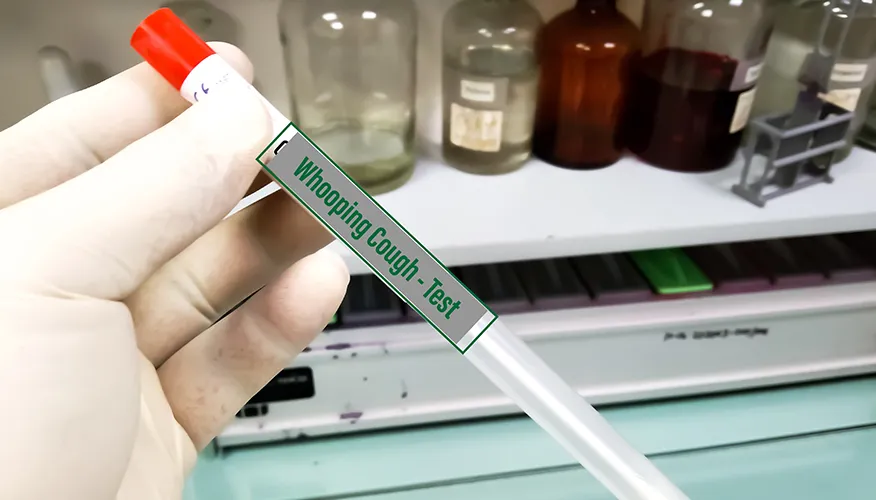
Treatment of whooping cough usually involves antibiotics. Faster initiation of treatment before the violent coughing fits start is a must to prevent the infection's spreading to others and to accelerate its progress to a severe stage.
Refrain from using cough medicine unless it is recommended by the healthcare provider.
Home remedies to cure whooping cough
Whooping cough treatment at home can also involve natural remedies like the following
Eucalyptus oil
Offers symptomatic relief of cold, cough excessive mucus buildup, and inflammation of the upper respiratory tract. 12 drops of oil per 150 ml (about 5.07 oz) of boiling water can be used for inhalation and may be repeated up to three times daily.
Peppermint oil
A home remedy for whooping cough in adults that can ease the symptoms.
3–4 drops of oil added to hot water can be inhaled for symptomatic relief of coughs and colds.
Humidifier
A mist humidifier can help loosen mucus and soothe the cough.
Licorice
Licorice gargling or licorice tea can relieve the cough and help clear the mucus from the airways.
Green tea
Green tea shows antibacterial activity and can protect against pertussis infection.
Oregano and lemon
Antibacterial activities of oregano oil and lemon oil can help fight the pertussis infection
Onion
The World Health Organization recommends onion extract for common colds and coughs.
Honey
Taking honey for up to three days effectively reduces cough severity, cough frequency, and bothersome cough.
Ginger
Ginger has a beneficial effect on cough and respiratory infections. It soothes the irritated airway.
Almond
Almond oil can help improve the immune system.
Turmeric
Turmeric powder can be effective in relieving a runny nose and cough.
Ginger
Ginger is believed to function as an expectorant in cases of whooping cough, aiding in the clearance of mucus from the airways
Saltwater gargling
Gargling with warm salt water may provide relief from sore throat symptoms.
What are the treatment options for whooping cough used in other countries?
A high pertussis burden persists in infants under six months of age, especially in unvaccinated and under-vaccinated in Malaysia.
Commonly used pertussis antibiotics in Malaysia include erythromycin, clarithromycin, and trimethoprim-sulfamethoxazole for treating pertussis.
How to prevent whooping cough?
As they say, prevention is better than cure. The best way to prevent whooping cough is vaccination. The whooping cough vaccine is highly recommended in unimmunized adults. Vaccination of pregnant women is effective in preventing pertussis in infants who are too young to be vaccinated.
The three-dose series diphtheria-tetanus-pertussis (DTP)-containing vaccine is recommended in infancy. The World Health Organization recommends the first dose at six weeks of age, subsequent doses at age 10-14 weeks and 14-18 weeks, and a booster dose during the second year of life.
Doctors may prescribe preventive antibiotics preemptively in individuals at high risk of developing the infection. This is especially needed if there is a baby or pregnant woman in the household or if contact with a baby or pregnant woman is expected.
Conclusion
Wabak pertussis can lead to serious complications in adults and infants. However, it is a preventable disease. It is important to get vaccinated to protect the society from its outbreak. Apart from the regular vaccine doses, personal hygiene also plays a role in keeping infections away. Vaccination, and practicing hygiene are the most effective ways to prevent the spread of wabak pertussis.
Understanding what is Wabak pertussis - How to cure whooping cough naturally is helpful along with seeking medical advice, sticking to an antibiotic treatment plan can accelerate the recovery.
Frequently Asked Questions
Whooping cough’s long-term effects involve persistent cough, pneumonia, and occasionally, apnea, convulsions, or brain damage in infants. If complications are severe, hospital care may be necessary.
A range of home remedies can offer relief for whooping cough, with responses varying. Honey and ginger in warm tea can soothe the throat, providing symptomatic relief tailored to individuals
It's important to note that whooping cough, or pertussis, is a bacterial infection, and there is no instant cure. Home remedies may alleviate symptoms but won't provide an instant cure.
Cough is a common reflex clearing airways, while whooping cough (pertussis) is highly contagious, marked by a distinctive "whoop" sound, and requires medical attention and vaccination.
Whooping cough vaccine during pregnancy offers crucial protection for both mother and baby, with minimal risks such as rare pain or swelling at the injection site.
Whooping cough symptoms, including severe coughing fits, can be worse at night. The coughing spells may disrupt sleep and be more pronounced during nighttime, impacting the overall quality of sleep
Diagnosing whooping cough involves evaluating symptoms, including the distinctive whooping sound. Confirmation often relies on tests like bacterial cultures and PCR (Polymerase chain reaction)
Historically, whooping cough was addressed with supportive care, bed rest, isolation, and home remedies. Later, antibiotics and vaccination emerged as crucial aspects of its treatment and prevention.
No. Whooping cough is a respiratory infectious illness caused by a bacteria named Bordetella pertussis.

Dr. Pakanich Maria Petrivna
Dr. Pakanich Maria Petrivna graduated from Ukraine's Uzhhorod National Medical University, Faculty of Medicine, in 1999. She further pursued her post graduation studies at Lviv National Medical University between 1999-2000. She then spent 16 years (2000-2016) at the same university as the resident doctor neurologist. Since 2016,Dr. Pakanich Maria Petrivna has been associated as a medical representative with Mega We Care.
Did you like our Article?
Excited
0
Happy
0
Not Sure
0
Silly
0
- Pertussis (Whooping cough)
- Pertussis
- Sign and symptoms of Whooping cough
- Pertussis WHO
- Burden of pertussis among young infants in Malaysia
- http://www.myhealth.gov.my/en/pertussis-whooping-cough/
- CASE INVESTIGATION AND OUTBREAK MANAGEMENT FOR HEALTHCARE PERSONNEL: PERTUSSIS
- Immunization, Vaccines and Biologicals
- Essential oils in the treatment of respiratory tract diseases highlighting their role in bacterial infections and their anti‐inflammatory action
- Antitussive and expectorant activities of licorice and its major compounds
- Protective activity of tea and catechins against Bordetella pertussis
- Antimicrobial Activity of Six Essential Oils Against a Group of Human Pathogens: A Comparative Study
- Effects of Allium cepa and Its Constituents on Respiratory and Allergic Disorders:
- Honey for acute cough in children
- Effects of Ginger and Its Constituents on Airway Smooth Muscle Relaxation and Calcium Regulation
- Potentials of Antitussive Traditional Persian Functional Foods
- Turmeric, the Golden Spice
- Risk factors and prediction model of severe pertussis in infants < 12 months of age in Tianjin, China
Our team of experts frequently monitors developments in the health and wellness field, and we update our articles when new information becomes available.
Current Version
May, 31 2024
Written By
Dr. Pakanich Maria Petrivna
May, 17 2024
Written By
Dr. Pakanich Maria Petrivna


Leave a Comment