
Yoga Poses For Cold And Cough Relief
Key Highlights
- Yoga provides relief for cold and cough symptoms through specific asanas and breathing techniques.
- Pranayama (controlled breathing) and meditation in yoga can enhance lung capacity and ease congestion.
- Regular yoga practice strengthens the immune system, helping to prevent respiratory ailments.
- Yoga's holistic approach benefits physical, mental, and emotional well-being, crucial for combating stress and illnesses.
- It's important to consult healthcare professionals alongside practicing yoga for health concerns.

We’ve all been there, feeling under the weather, bogged down by a relentless cough and a nose that just won't clear up. It’s during these times that we seek relief beyond the medicine cabinet, and this is where the ancient practice of yoga comes into play.
Yoga, with its rich history and holistic approach to health, offers more than just physical fitness. It's a practice that nurtures the mind, body, and spirit, particularly beneficial when our bodies are fighting off the discomforts of a cold or a cough. Through a combination of gentle postures, controlled breathing techniques, and calming meditation, yoga can be a powerful tool in improving respiratory wellness, easing congestion, and boosting our overall sense of well-being.
In this blog, we'll explore how incorporating yoga for cold and cough into your routine when you're feeling under the weather can help you breathe easier, clear your mind, and provide a much-needed sense of relaxation. Now, let's roll out our mats and discover the healing power of yoga for cold and cough relief.
Understanding how yoga helps your breathing
Yoga’s influence on the respiratory system is both profound and beneficial, particularly when it comes to managing symptoms of a cold or a cough.
At the core of yoga’s respiratory benefits are its practices that emphasize controlled, mindful breathing, known as pranayama. These practices are crucial in understanding how yoga can aid in alleviating cold and cough symptoms.
Impact on the Respiratory System
- Enhanced Lung Capacity: Many yoga poses involve deep breathing which helps in expanding the lungs, increasing their capacity. This is particularly beneficial when a cold has compromised your regular breathing.
- Improved Oxygenation: Yoga improves the efficiency of oxygen exchange in the blood. By taking slow, deep breaths, more oxygen is absorbed by the blood, which can help in healing and rejuvenating body cells.
- Clearing Air Passages: Certain yoga for cough practices can help in loosening mucus in the chest and nasal passages, providing relief from congestion and coughing.
- Strengthening Respiratory Muscles: Regular practice of yoga can strengthen the muscles involved in breathing, such as the diaphragm, which can be beneficial in maintaining respiratory health.
Importance of Slow Breathing Exercises
Slow breathing exercises play a pivotal role in managing cold and cough symptoms. When you're suffering from a cold, the body's natural response is to breathe rapidly and shallowly, which can exacerbate symptoms like coughing and chest tightness.
Slow breathing exercises counter this by:
- Promoting Relaxation: Slow, deep breathing activates the body's relaxation response, reducing stress and allowing the body to focus on healing.
- Reducing Cough Reflex: Slow breathing can help in managing the cough reflex, providing relief from persistent coughing.
- Detoxification: Deep exhalation during slow breathing helps in expelling more carbon dioxide and other waste products, which is beneficial when the body is fighting an infection.
- Balancing the Nervous System: These exercises help in balancing the sympathetic and parasympathetic nervous systems, which are essential for maintaining overall well-being.
Yoga Poses for Cold and Cough Relief
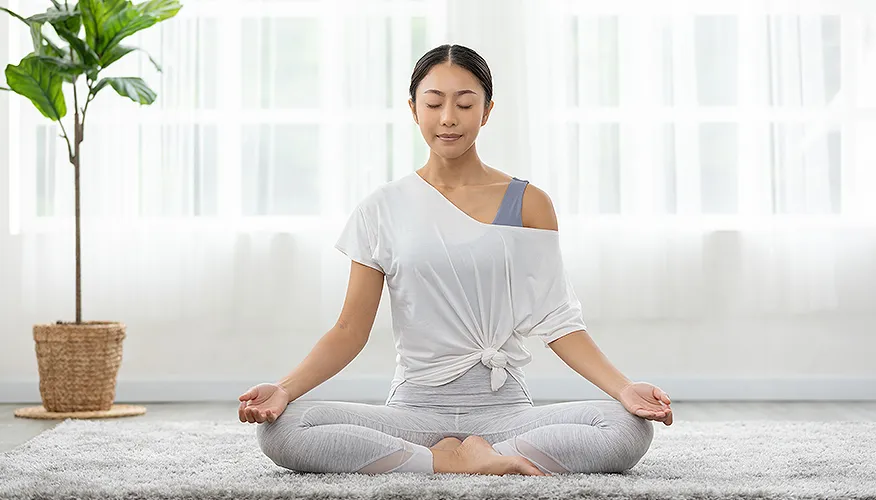
Yoga for cold and cough can be incredibly beneficial for relieving symptoms of a cold or cough.
Here are four effective yoga poses:
- Child's Pose (Balasana): This calming pose involves a gentle forward bend that can help in easing congestion in the chest and nasal passages. By allowing the head to rest below the heart, balasana benefits include relaxation and stress relief, which is beneficial when your body is fighting a cold.
- Bridge Pose (Setu Bandhasana): This pose involves lifting your hips while lying on your back, creating an opening in the chest and lungs. This expansion can aid in better breathing and may help in loosening any congestion in the chest area. A standing bridge pose is a great pose for enhancing overall lung capacity and respiratory function.
- Standing Forward Bend (Uttanasana): In this pose, you bend forward from the hips, which can help in clearing the nasal passages and relieving sinus pressure. The standing forward bend benefits include the inversion aspect of the pose, with the head below the heart, also aids in improving blood circulation and providing relief from headaches often associated with colds.
- Cobra Pose (Bhujangasana): A gentle backbend, bhujangasana benefits the chest, encouraging deeper breathing and helping in clearing mucus from the lungs. It's beneficial for enhancing lung capacity and aiding in the drainage of mucus, providing relief from cough symptoms.
These yoga for chest congestion and cold and cough poses are designed to be gentle yet effective in managing cold and cough symptoms, but it's important to practice them according to your comfort level and avoid any strain, especially when you are unwell. Remember to consult a doctor if your symptoms persist.
Breathing Techniques for Better Health
Breathing techniques in yoga, known as pranayama, are not just exercises for your lungs. Yoga poses for cough and cold are vital practices for overall health, especially for respiratory wellness. Let's explore two key breathing techniques of yoga for cold and cough:
- Alternate Nostril Breathing (Anulom Vilom): This technique involves alternating breathing between the two nostrils. It's believed to balance the left and right hemispheres of the brain, which corresponds to balancing energy flow throughout the body. By regularly practicing Anulom Vilom, you can enhance lung function, improve respiratory strength, and ensure a more balanced distribution of oxygen and carbon dioxide. This practice is especially helpful for those suffering from respiratory ailments as it aids in clearing any blockages in the nasal passages, ensuring smoother breathing.
- Skull-Shining Breath (Kapalbhati): Kapalbhati is a stimulating breath that involves short, powerful exhales and passive inhales. This technique is known for its ability to cleanse the nasal passages and lungs. By generating heat in the respiratory system, it helps to dissolve mucus, clear the airways, and improve circulation within the respiratory system. Additionally, the rhythmic nature of Kapalbhati strengthens the diaphragm and abdominal muscles, which are key players in respiratory health. Regular practice can enhance lung capacity and efficiency, making it a valuable practice for those looking to strengthen their respiratory system.
Both of these techniques are not just beneficial for physical health; they also promote mental clarity and stress reduction, further enhancing overall well-being. However, it is important to practice these techniques correctly and preferably under guidance, especially if you are a beginner or have existing health concerns.
Relaxing Your Way to Better Immunity
Meditation can be a powerful tool in boosting your immune system, an invaluable asset when you're battling a cold. The connection between a calm mind and a healthy body is well-established, with numerous studies showing that stress can weaken the immune system. By incorporating yoga meditation into your daily routine, you can foster a sense of calm, reduce stress, and, in turn, strengthen your body's natural defense mechanisms.
Simple Meditation for Immune Boosting
- Find a Quiet Space: Select a quiet and comfortable place where you will not be disturbed.
- Comfortable Seating: Sit in a comfortable position, either on a chair or cross-legged on the floor with your back straight.
- Focus on Your Breath: Keep your eyes closed and try to bring your attention to your breath. Breathe naturally, observing the sensation of the air as it enters and leaves your nostrils.
- Guided Visualization: Visualize a warm, healing light enveloping your body as you breathe in. With each inhale, this light becomes brighter, symbolizing strength and health flowing through you. As you exhale, imagine expelling any stress, tension, or illness from your body.
- Mindful Acknowledgment: If your mind wanders, gently acknowledge this without judgment and bring your focus back to your breath and visualization.
- Regular Practice: Start with 5-10 minutes daily and gradually increase the duration as you become more comfortable with the practice.
By maintaining a regular meditation practice, you can help keep your mind calm and your body strong, making you better equipped to handle the challenges of colds and boosting your overall well-being. Remember, a calm mind is a powerful ally in maintaining a healthy body.
Yoga for Everyday Wellness
Incorporating yoga for cold and cough into your daily routine can be a proactive measure in preventing colds and coughs and maintaining ongoing respiratory wellness. Here are some easy yoga for cold relief routines and practices that can be integrated into everyday life:
Easy Yoga Routines for Preventing Colds and Coughs
- Gentle Warm-Up Poses: Start with gentle stretches like Cat-Cow (Marjaryasana-Bitilasana) and Seated Twists. These poses warm up the body and improve circulation, aiding the lymphatic system, which is crucial for immune function.
- Breathing Exercises: Pranayama techniques, such as Alternate Nostril Breathing (Anulom Vilom) or Bee Breath (Bhramari), are excellent for maintaining healthy respiratory passages and boosting lung capacity.
- Regular Practice of Sun Salutations (Surya Namaskar): This sequence of poses is not only a great cardiovascular workout but also helps in improving the efficiency of the respiratory system.
- Inclusion of Immune-Boosting Poses: Poses, like Supported Fish Pose (Matsyasana) and Legs-Up-The-Wall (Viparita Karani), are great for opening up the chest and improving lymph drainage.
- Relaxation and Restorative Poses: End your practice with restorative poses like Legs-Up-The-Wall or Savasana (Corpse Pose), which help reduce stress and boost the immune system.
Importance of Regular Yoga for Respiratory Wellness
- Boosts Immunity: Regular yoga practice strengthens the immune system, helping the body to fend off common colds and respiratory infections.
- Improves Lung Function: Yoga enhances lung capacity and efficiency, which is crucial for good respiratory health.
- Stress Reduction: Chronic stress weakens the immune system and makes the body more prone to infections. Yoga, particularly its meditative aspects, is effective in managing stress.
- Promotes Overall Health: Regular yoga practice contributes to overall health and wellness, which is key in preventing illnesses.
Yoga offers a holistic approach to health, combining physical postures, breathing exercises, and meditation. This combination not only aids in physical fitness but also contributes significantly to mental and emotional well-being, all of which are important in maintaining a strong immune system and preventing ailments like colds and coughs. Remember, consistency is key. Even a short daily practice can yield significant health benefits over time.
Conclusion
Yoga offers a gentle yet powerful approach to managing the symptoms of colds and coughs. The combination of specific yoga for cold and cough asanas (poses), pranayama (breathing exercises), and meditation techniques can significantly alleviate respiratory discomfort, aid in decongestion, and enhance overall lung capacity. The importance of yoga in our life lies not only in its physical benefits but also in its ability to reduce stress and promote relaxation, which are crucial for a strong immune system.
By incorporating these simple yoga for cold and cough practices into your daily routine, you can not only find immediate relief during times of illness but also contribute to your long-term respiratory health and overall well-being. Yoga, with its holistic approach, proves to be an invaluable tool for maintaining wellness and enhancing your body's natural healing processes.
Frequently Asked Questions
Gentle yoga poses like Child's Pose, Bridge Pose, Standing Forward Bend, and Cobra Pose are excellent for cold and cough relief. These poses help open the chest and promote relaxation. Breathing exercises such as Alternate Nostril Breathing and Skull-Shining Breath can also be very beneficial.
Child's Pose stretches the hips, thighs, and ankles while also providing a gentle stretch for the back and spine. It's known for reducing stress and fatigue.
You need to lie on your back and keep your knees bent and feet flat on the floor. Arms rest by your sides, palms down. Press into your feet, lifting your hips up and keeping your neck relaxed. Hold for a few breaths, then gently lower your hips back down.
For Alternate Nostril Breathing, use your right thumb to close your right nostril and inhale through the left. Then keep your left nostril with your fingers, open the right nostril, and exhale. Alternate this pattern for several minutes.
Sit in a quiet place with a straight spine. Close your eyes, focus on your natural breathing, and observe your breath without trying to control it. When you feel distracted, try to focus your attention on your breath. Start with very small sessions and slowly increase the duration with time.

Dr. Pramod Mane
A Doctor of Medicine (MD) in Pharmacology., currently based in Mumbai, India, Dr Pramod Mane, comes with an experience of more than 20 years of working in Medical Affairs in the Pharmaceuticals & Nutraceutical Industry. Director of Medical Services at Mega Lifesciences since 2008, Dr Mane has been associated with several MNCS in the areas of Medical Affairs, Medical Services, Medico-marketing, Pharmacovigilance & Clinical trials in his illustrious career.
Did you like our Article?
Excited
0
Happy
0
Not Sure
0
Silly
0
Our team of experts frequently monitors developments in the health and wellness field, and we update our articles when new information becomes available.
Current Version
May, 31 2024
Written By
Dr. Pramod Mane
May, 23 2024
Written By
Dr. Pramod Mane


Leave a Comment