
5 Effective Natural Expectorants to Relieve a Cough
Key Highlights
- Natural expectorants like honey, ginger, holy basil, garlic, and peppermint provide a gentler, more holistic approach to cough relief.
- These remedies not only relieve coughs but also offer anti-inflammatory, antioxidant, and immune-boosting properties.
- The importance of correct usage, understanding potential side effects, and consulting healthcare professionals is necessary while using natural expectorants.
- Attention is required for allergies, medication interactions, and specific conditions like pregnancy or existing health issues while consuming natural expectorants.

Have you ever found yourself battling a persistent cough, desperately searching for relief but wary of the myriad of synthetic medications available? If so, you're not alone. In this blog, we're diving into the world of natural expectorants, Mother Nature's answer to soothing those troublesome coughs. What is an expectorant? Unlike their chemical counterparts, natural expectorants come straight from the earth, offering a gentler yet equally effective solution to mucus-laden woes.
We'll explore how these natural wonders work to clear your airways, making breathing easier and helping you return to your daily routine with comfort. Whether it's a nagging cold or a bout of seasonal allergies, natural expectorants could be the key to unlocking a smoother recovery path, one that aligns harmoniously with your body's natural rhythms.
So, grab a cup of herbal tea, settle in, and let's embark on a journey to explore the top natural expectorants that can offer you relief in the most organic way possible.
Benefits of natural expectorants
Opting for natural expectorants presents a myriad of benefits over conventional medications.
Here's why choosing the path of nature can be a game-changer:
- Gentle on the Body: Unlike many over-the-counter cough medicines, natural expectorants tend to be gentler on the body. They work in harmony with your body's natural processes to aid in the clearance of mucus, thereby reducing the risk of harsh side effects often associated with synthetic drugs.
- Holistic Healing: Natural expectorants often come with additional health benefits. Many are packed with antioxidants, anti-inflammatory, and antimicrobial properties, offering a holistic approach to not just relieve coughs but also boost overall health.
- Fewer Side Effects: Synthetic expectorants may cause side effects like drowsiness, dizziness, or upset stomach. Natural alternatives, in contrast, are less likely to induce such adverse reactions, making them a safer choice for many, especially for those with sensitivities or who are seeking a more gentle remedy.
- Immune System Support: Many natural expectorants contain ingredients that support the immune system. This means that while they help in expelling mucus, they also contribute to strengthening the body's natural defenses against pathogens.
- Environmental Sustainability: Opting for natural remedies often means supporting sustainable and eco-friendly practices. Many natural cough remedies come from renewable resources, with a smaller environmental footprint compared to the production of synthetic drugs.
- Versatility and Accessibility: Many natural treatments for cough come from common herbs and ingredients that might already be in your kitchen or garden. This makes them a versatile and accessible option for immediate relief.
- Customizability and Personalization: Natural remedies allow for more personalization. You can often tailor them to your specific needs, taste preferences, and tolerance levels, something not possible with standard over-the-counter medicines.
- Mental and Emotional Wellbeing: The use of natural remedies is often associated with a holistic approach to health, which includes the mental and emotional aspects. The act of preparing and using these remedies can be therapeutic in itself, promoting relaxation and a sense of well-being.
Natural expectorants offer a more harmonious, holistic approach to managing respiratory health, aligning physical well-being with natural healing processes. While they can be a fantastic option for many, it's important to remember that they are part of a broader health strategy and should be used in conjunction with other health practices and, where necessary, professional medical advice.
Natural expectorants that may help relieve a cough
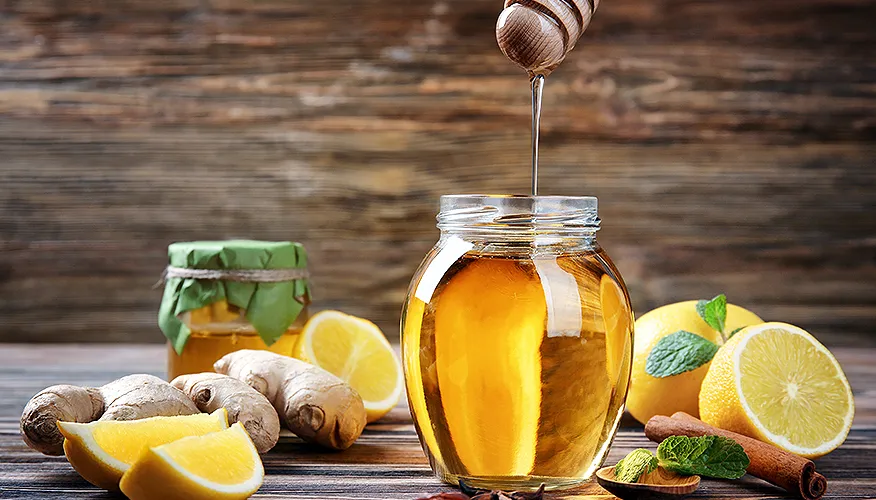
Honey
- How to Use: Honey can be taken directly or mixed into a warm tea or lemon water. A common remedy is to mix a tablespoon of honey with warm water and lemon juice. You can take this 2-3 times a day.
- Caution: Honey should not be given to children under one year of age due to the risk of botulism. Also, those with allergies to pollen or bee products should use it cautiously.
Ginger
- How to Use: Ginger can be used in various forms, such as fresh ginger root, ginger tea, or ginger capsules. For a homemade remedy, slice or grate fresh ginger into boiling water and steep to make a tea. You can add honey for taste.
- Caution: Ginger may interact with certain medications, such as blood thinners, and can cause heartburn or stomach upset in some people. It's recommended to consult with a healthcare provider if you're on any medications.
Holy Basil (Tulsi)
- How to Use: Holy Basil can be brewed into tea using fresh or dried leaves. You can also chew fresh Holy Basil leaves for relief.
- Caution: Pregnant or breastfeeding women should avoid using Holy Basil. Also, it may interact with certain medications, such as anticoagulants and painkillers.
Garlic
- How to Use: Garlic can be consumed raw, cooked, or as a supplement. For cough, crushing or chopping a fresh garlic clove and mixing it with honey can be effective. It can also be added to meals for daily consumption.
- Caution: Garlic may interact with blood-thinning medications and can cause bad breath or body odor. People with garlic allergies or digestive issues should use it cautiously.
Peppermint
- How to Use: Peppermint can be used in the form of tea, essential oils, or inhalants. Breathing in steam infused with peppermint oil can be particularly effective for a cough.
- Caution: Peppermint oil should not be ingested in large amounts as it can be toxic. It should also not be applied directly to the skin without being diluted. People with GERD (Gastroesophageal Reflux Disease) should use it cautiously as it can worsen symptoms.
Each of these natural expectorants offers unique benefits and can be a great addition to your home remedy toolkit. However, always remember that natural doesn't automatically mean risk-free. It's essential to use them wisely and consult healthcare professionals if you have underlying health conditions or are taking other medications.
Precautions and Considerations
While natural expectorants can be effective and offer a gentler alternative to conventional medications, there can be side effects from expectorant as well. It's important to approach their use with informed caution.
Here are some key considerations:
- Allergic Reactions: Natural remedies like expectorant cough syrup can cause allergic reactions in some people. It's crucial to be aware of any known allergies, particularly to plants or herbs, and monitor for any adverse reactions when trying a new remedy.
- Interaction with Medications: Some natural cough remedies can interact with prescription or over-the-counter medications. For instance, ginger may affect blood thinners, and garlic can interact with certain types of medications. Always consult a healthcare professional before combining natural remedies with other medications.
- Underlying Health Conditions: Individuals with pre-existing health conditions, such as asthma, heart disease, or digestive disorders, should be cautious. Certain natural remedies might exacerbate these conditions.
- Pregnancy and Breastfeeding: Pregnant and breastfeeding women should exercise extra caution. Some natural remedies, like Holy Basil, might not be safe during pregnancy or lactation.
- Dosage and Purity: The effectiveness and safety of natural expectorants depend greatly on using the correct dosage and ensuring the purity of the product. It's important to source these remedies from reputable suppliers.
- Children's Use: Extreme caution should be used when administering natural expectorants to children. Some remedies, like honey, are not suitable for infants.
- Overuse and Dependency: Even natural remedies can lead to overuse or dependency. It's important to use these remedies as directed and not to exceed recommended dosages.
- Professional Guidance: Self-treating a cough or respiratory issue with natural expectorants should not replace professional medical advice, especially if symptoms persist or worsen.
- Symptom Monitoring: While using natural expectorants, keep an eye on symptoms. If there's no improvement, or if symptoms like high fever, shortness of breath, or chest pain occur, seek medical attention.
- Quality and Research: Finally, it's essential to remember that not all natural remedies have been extensively researched or scientifically proven. Opt for those with a track record of safety and efficacy.
While natural treatment for coughs offer a more holistic approach to treating coughs, they must be used responsibly and with awareness of potential risks and limitations. Always consider individual health needs and consult healthcare professionals when in doubt.
Conclusion
Natural expectorants stand as a testament to the power of nature in providing relief from the discomfort of coughs. These remedies, derived from ingredients like honey, ginger, holy basil, garlic, and peppermint, offer a gentler alternative to conventional medications, working in tandem with the body's natural processes to loosen mucus in the chest.
Their effectiveness is enhanced by their holistic approach, not only addressing the symptoms of a cough but also contributing to overall health with their anti-inflammatory, antioxidant, and immune-boosting properties. This aligns well with a growing preference for natural, less invasive health solutions.
However, it's crucial to approach the use of natural expectorants with informed caution. Factors such as potential allergies, interactions with medications, and individual health conditions must be considered. Pregnant and breastfeeding women, as well as children, especially need careful consideration when using these remedies.
Frequently Asked Questions
To naturally expectorate phlegm, you can drink plenty of fluids to thin the mucus, inhale steam, use a humidifier to add moisture, consume cough syrup for phlegm like honey mixed with warm water and lemon, and engage in gentle exercise to encourage deeper breathing.
Expectorants are generally used for productive (wet) coughs where there is mucus to be expelled; for a dry cough, treatments usually focus on soothing the throat and suppressing the cough rather than using expectorants.
Several herbs are known for their expectorant properties, including ginger, which soothes irritated airways and loosens mucus; peppermint, containing menthol that helps break down mucus; eucalyptus, known for easing coughs; licorice root, which soothes airways and promotes mucus clearance; and thyme, traditionally used for its expectorant capabilities.
To get rid of mucus in the chest, it's effective to stay hydrated, use natural expectorants like honey or herbal teas, perform deep breathing or gentle coughing exercises, inhale steam to loosen congestion, and apply warm compresses to the chest.
To loosen mucus in a baby, you can use a cool-mist humidifier in their room, apply saline nasal spray or drops, perform gentle chest physiotherapy by patting the baby's back in various positions, and always consult a pediatrician before trying new remedies.

Jillian Lai Mei Siew
As the Product Consultant Manager of Mega BiO-LiFE, Jillian Lai Mei Siew, has the role of providing a productive team spirit among all Product Consultants to equip them with the right health nutritional information. Jillian is a BSc in Nutrition and Community Health, and a MSc in Nutritional Sciences an from Universiti Putra Malaysia. Affiliated to the Professional Affiliation Languages & Dialects Nutrition Society of Malaysia, NSM, Jillian can speak English, Cantonese, Mandarin, Hokkien and Malay.
Did you like our Article?
Excited
0
Happy
0
Not Sure
0
Silly
0
Our team of experts frequently monitors developments in the health and wellness field, and we update our articles when new information becomes available.
Current Version
May, 31 2024
Written By
Jillian Lai Mei Siew
May, 23 2024
Written By
Jillian Lai Mei Siew


Leave a Comment