
Cough stomach ache: Why does my stomach hurt when I cough?
Key Highlights
- Coughing can lead to stomach pain indicating several medical conditions.
- Location of stomach pain while coughing holds medical importance.
- Stomach pain can be easily managed by simple lifestyle changes.
- Proper hydration and rest can help treat coughing and stomach pain.

Have you ever felt a rumbling pain in your stomach every time you cough? And has the thought why does my stomach hurt when I cough crossed your mind?
Coughing serves as the body’s natural mechanism to wash out irritants from your throat, but can sometimes lead to discomfort in the chest and abdomen especially with more vigorous coughs.
However, if you find yourself frequently experiencing stomach aches in conjunction with coughing, it might be an indication of underlying issues within your body.
If you’re among those who have noticed stomach aches while coughing, this blog is designed to offer valuable insights.
It not only explores various medical conditions that could be linked to this common symptom but also provides practical strategies on how to address them effectively.
Can coughing cause stomach pain?
Coughing isn’t just a normal occurrence; it can lead to some unexpected stomach discomfort, and this might be a sign of various health issues.
When you cough a lot, it puts a strain on your abdominal muscles, and that can cause cramps or pain. While this pain might be normal, it could also be a clue that something else is going on, like appendicitis, hernia, cystitis, and more.
Knowing about this stuff can help you take charge of your health and know when it's a good idea to check in with a doctor. After all, it’s all about being in the know and making informed decisions about your well-being.
Where does your stomach hurt when you cough?
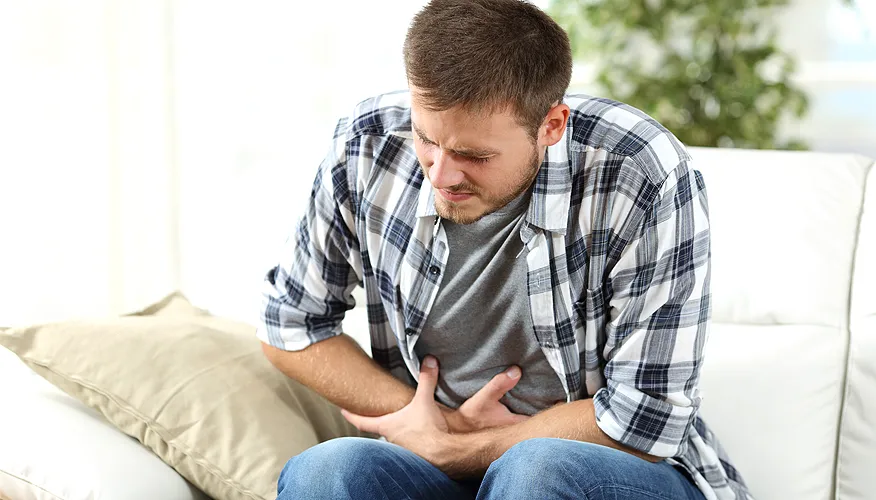
The location of stomach pain during coughing holds key insights into potential underlying issues, offering a unique roadmap to understanding and addressing health concerns.
When discomfort manifests in a specific area, it can serve as a valuable indicator for both you and healthcare professionals alike.
Typically, discomfort in this area can be categorized into four regions: left side, right side, lower abdomen, and upper abdomen.
- If the pain is higher up in your abdomen, it could be a sign that your abdominal muscles are feeling the strain. This often happens with vigorous, persistent coughing, causing temporary stress on these muscle groups.
- If you experience pain in the lower right side of your stomach, it may be an indication of early Acute Appendicitis.
- Moreover, if the lower left side of your stomach hurts, it might various issues including Diverticulitis, an early Ovarian cyst, or the presence of Kidney stones.
- Pain on the upper right side of your stomach might point to the presence of Gallstones.
- Pain in the upper left side could be linked to Gastritis, Pancreatitis, or Kidney stones.
- If you’re experiencing discomfort in the middle, it could be a sign of issues like Peptic ulcer or Pancreatitis.
Understanding these pain signals is a crucial step in taking charge of your health. Remember, any persistent or severe pain should be discussed with a healthcare professional for accurate diagnosis and appropriate guidance.
Common reasons for stomach pain while coughing
As we already saw, stomach pain during coughing can indicate many diseases that need medical attention,
So, let us now dive into these conditions and understand them better for our well-being.
Appendicitis
Appendicitis is a condition that occurs when your appendix is inflamed. Pain is usually present at all times and can increase while walking or coughing.
In most cases, appendicitis occurs when the appendix's passage is blocked, commonly by an appendix stone or other mechanical factors. Factors such as tumors, parasites, and swollen lymphatic tissue can also lead to this blockage and trigger appendicitis. However, the specific cause of acute appendicitis is often unclear.
The symptoms of appendicitis may present as:
- Loss of appetite
- Fever
- Nausea or Vomiting
- Diarrhea
- Urinary urgency
Appendicitis is a serious medical emergency. If you notice any of the mentioned symptoms, it's crucial to seek immediate medical attention.
Cystitis
Did you know?
One-third of women get affected by urinary tract infections (UTI) by age 24 and one-half by age 32.
Cystitis is an infection of the lower urinary tract, or more specifically, the urinary bladder. Moreover, women are at higher risk for urinary tract infections caused by this condition than men.
It is most commonly caused by a bacterial infection of the urinary bladder and may present as follows:
- Urinary urgency
- Pain during urination
- Frequent urge to urinate
- Presence of blood in urine
Treatment includes mainly antibiotics, probiotics, and home remedies such as cranberry and other botanicals like cinnamon, bearberry, etc.
Research shows that the recurrence of UTI rates was reduced by up to 35% in women, after the use of cranberry-based compounds.
Diverticular disease
Diverticula typically form when your colon’s naturally weak spots collapse under strain. Diverticulitis arises when these pouches tear, causing inflammation, and in certain instances, infection.
The symptoms of this disease may present as:
- Nausea
- Vomiting
- Constipation
- Gas
- Bloating
Treatment includes mainly antibiotics, probiotics, and physical activity.

Endometriosis
Endometriosis is a disease of reproductive-aged women where there is the presence of endometrial tissue growing outside the uterus and is commonly associated with chronic pelvic pain and infertility.
There is no definite cause of endometriosis to date and it usually presents as follows:
- Bleeding between periods
- Painful periods
- Painful intercourse
- Painful defecation
- Painful urination
- Pelvic pain
Treatment includes surgery, hormonal treatment, and pain management strategies.
Gallstones
Gallstones are solid formations made of bile, a digestive fluid, and they can develop in the gallbladder. These stones come in different sizes and shapes, ranging from tiny grains of sand to larger structures comparable to a golf ball.
It usually shows no symptoms but some people might have:
- Abdominal pain that increases for approximately 30 minutes to several hours
- Nausea
- Vomiting
- Jaundice
Treatment for gallstones may include medication to dissolve the gallstones or surgical removal.
Kidney stones
Kidney stones, also known as renal calculi, nephrolithiasis, or urolithiasis, are solid formations composed of minerals and salts that develop within your kidneys.
It usually shows no symptoms but some people might have:
- Blood in urine
- Vomiting
- Occasional fever
- Abdominal pain
Not all kidney stones need treatment as they can sometimes dissolve naturally, especially with increased water intake. If a stone is too large to pass by itself, a doctor might suggest surgery to remove it.
Hernia
A hernia is a gap in the muscle layers, allowing organs to bulge through.
Obesity, chronic cough, heavy lifting, and straining during constipation can lead to increased pressure in the abdomen, further causing hernia.
It shows the following symptoms:
- Pain or bulge that gets worse with physical activity or coughing
- Burning or pinching sensation in the groin
- Groin pain
- Feeling of heaviness or pressure in the abdomen
Treatment of hernia is mainly through surgery.
Ovarian cysts
Ovarian cysts are fluid-filled sacs developing in the ovaries that can lead to complications such as rupture, and hemorrhage posing gynecological emergencies.
Research shows that about 20% of women develop at least one cyst in their lifetime.
Ovarian cysts can happen at any age but are more common during reproductive years, increasing in females after their first menstruation due to hormonal changes.
In a study, it was shown that in 24 to 40-year-old women, the prevalence of tumor formation was 7.8%.
It mainly presents as:
- Sharp or dull pain
- Nausea or vomiting
- Irregular periods
- Abnormal vaginal bleeding
Treatment includes surgery and medical treatments like ultrasound. It can also be controlled by some herbs like aloe vera, ginseng, fennel, etc.
Pancreatitis
Pancreatitis arises from inflammation in the pancreas, occurring in either acute or chronic forms mainly caused by gallstones, heavy alcoholism, smoking, etc.
The symptoms are as follows:
- Abdominal pain
- Nausea
- Vomiting
- Weight loss
- Jaundice
Treatment includes rest and pain-relief medicines for acute disease and surgery for chronic pancreatitis.
While prompt medical attention is crucial, adopting a healthy lifestyle, including a balanced diet, regular exercise, and avoiding excessive alcohol and smoking, can significantly reduce the risk of these conditions.
Pelvic floor dysfunction
Pelvic floor dysfunction is caused due to any abnormal activity in the pelvic muscles which presents as pain, difficulty in urination, leakage of urine, constipation, etc.
Treatment includes lifestyle modifications like avoiding alcohol, caffeine, acidic foods, spicy foods, pelvic floor strengthening exercises, and surgery for chronic cases.
Research shows that 3% to 5% weight reduction can decrease urinary incontinence episodes by about 50% in women with pelvic floor dysfunction.
Stomach ache relief strategies
Let us dive into some of the easiest tips to tackle your stomach ache!
- Ensure proper hydration to reduce the frequency of coughs.
- Incorporate gentle exercises into your routine.
- Activities like brisk walking, and yoga, can ease stomach pain and discomfort.
- Prioritize stress management and sufficient sleep to promote overall health.
- Avoid excessive alcohol intake and smoking.
These simple strategies collectively create a holistic approach to improve overall well-being and relieve stomach aches.
Conclusion
Discovering cough stomach ache: why my stomach hurts when I cough? is more than just a common discomfort. The correlation between coughing and stomach pain is a common concern, and understanding the underlying causes is important for effective management.
While coughing itself can strain abdominal muscles, severe pain may indicate more serious conditions such as appendicitis, cystitis, diverticular disease, endometriosis, gallstones, kidney stones, hernia, ovarian cysts, or pancreatitis.
It’s essential to listen to your body, prioritize preventive measures, and consult healthcare professionals for personalized advice, ensuring a comprehensive and informed approach to overall health.

Dr. Pulyk Nataliya Omelanivna
Dr. Pulyk Nataliya Omelanivna is an Internal Medical Expert who is based out of Ukraine. With a special interest in internal medicine Dr Pulyk graduated from the Ternopil National Medical Academy in Ukraine, in the year 2001. Between the years 2002-2009, Dr Pulyk worked as an emergency physician. Her years of work as an emergency physician gave her immense exposure to a range of patients and an opportunity to learn on the job, and gather extensive experience.
Did you like our Article?
Excited
0
Happy
0
Not Sure
0
Silly
0
- Cough induced stomach ache
- Abdominal pain
- Acute abdominal pain
- Appendicitis
- Cystitis
- Acute simple cystitis in women.
- Home remedies for cystitis
- Diverticular disease
- Colon Diverticulitis.
- Endometriosis
- Gallstones.
- Kidney stones
- Hernia
- Ovarian cyst.
- Home remedies for ovarian cyst
- Pancreatitis.
- Symptoms of pancreatitis.
- Pelvic floor dysfunction.
- Yoga for stomach pain relief
- Strategies for cough relief
- Sleep for stomach pain relief
Our team of experts frequently monitors developments in the health and wellness field, and we update our articles when new information becomes available.
Current Version
May, 31 2024
Written By
Dr. Pulyk Nataliya Omelanivna
May, 17 2024
Written By
Dr. Pulyk Nataliya Omelanivna
May, 17 2024
Written By
Dr. Pulyk Nataliya Omelanivna
May, 17 2024
Written By
Dr. Pulyk Nataliya Omelanivna


Leave a Comment