
Top 8 Benefits Of Steam inhalation
- Health conditions for which is steam inhalation used?
- Benefits of steam inhalation
- What are the different methods of steam inhalation?
- Step by step guide of using steam inhalation
- What precautions should be taken during steam inhalation?
- Safety and frequency of steam inhalation for different age groups
- Conclusion
Key Highlights
- Steam inhalation is a widely used remedy for improving symptoms of various respiratory conditions.
- Steam inhalation relieves congestion of the nasal passage, making it easier to breathe.
- Inhaling steam at night before sleeping can help you relax and relieve stress.
- Steam inhalation can lead to burns and injuries if not done correctly. Hence, it is important to follow the right steps to maximize benefits and prevent harm.
- Steam inhalation is safe to use in all age groups even in pregnant women if used with proper precautions.

Whenever you have a cough or cold, your family members often recommend you use steam inhalation. This is an old remedy to improve respiratory well-being.
Steam inhalation benefits primarily include relieving congestion and unblocking the air passage. It is also helpful in people who have sinusitis or allergies.
The process usually involves bowls with boiling or hot water or commercially available steamers.
Read on to learn more about the top 8 benefits of steam inhalation.
Health conditions for which steam inhalation is used
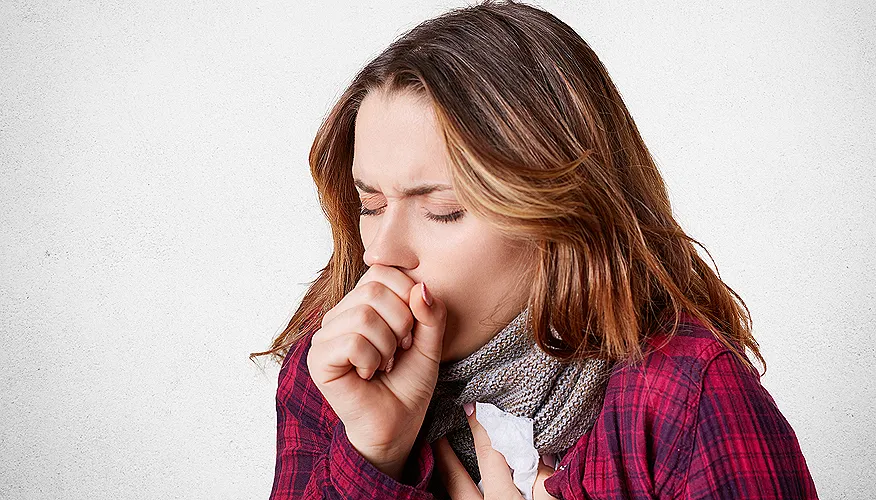
You can use steam inhalation to ease various symptoms of various illnesses that cause nasal congestion, cough, or sore throat.
A few of them include:
Pneumonia
- This condition can affect your ability to breathe comfortably. You may even get symptoms like a runny nose, a progressively worsening cough, or a sense of fatigue.
- Using steam inhalation for pneumonia with essential oils like oregano oil can ease the discomfort.
- Oregano oil contains ‘carvacrol’ that prevents bacteria from multiplying. It also has anti-inflammatory properties and acts as a natural antibiotic.
Nasal congestion
- The use of steam inhalation for nasal congestion is well-known. The inhaled steam condenses on the inner lining of the nose, increasing the moisture levels.
- This helps to remove the mucus and phlegm easily. Steam inhalation also reduces mucus secretion.
Nasal polyps
- These are painless non-cancerous growths on the inner lining of the nasal passage. They are mainly the result of an allergy or infection. Nasal polyps can interfere with your breathing as they block the air passage.
So, can you use steam inhalation for nasal polyps? Yes! You can opt for basic hot water steam inhalation or the addition of eucalyptus or peppermint to hot water. Inhaling it for about five minutes twice a day can prove beneficial. This clears the passage and relieves the buildup of mucus that may lead to polyp formation.
Top 8 benefits of steam inhalation
- It relieves nasal congestion in conditions of acute and chronic sinusitis.
- It helps in getting rid of the mucus, ease the pressure in sinuses, and makes it easier to breathe.
- It helps in the expulsion of mucus thereby providing relief from cough and sore throat.
- It ensures enough sleep which is important for combating cold, cough, and associated infections.
- Inhaling steam at night before sleeping can help you feel relaxed.
- It alleviates breathing problems due to airway congestion.
- Inhaling steam offers relief if you have allergies or infections like bronchitis or asthma.
- Steam hydrates the air passage, soothes its irritation, and reduces inflammation.
Different methods of steam inhalation
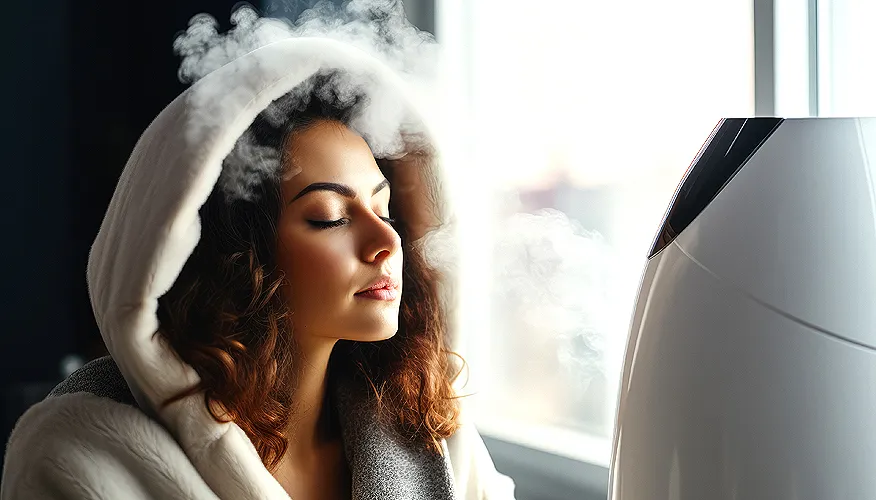
Steam inhalation can be performed using the following methods:
Jug method:
This method uses Nelson’s inhaler i.e. an earthenware vessel that allows inhalation of steam and medicinal substances.
When at home, you can use a jug instead of Nelson’s inhaler. Fill the tea kettle or mug with boiling water. Make a cone using cardboard paper a fit it on top of the kettle or mug. You can inhale steam that comes from the hole made on top of the cone.
Steam tent:
This method is used when you need steam in a higher quantity. An easy way to make a steam tent is to make blankets or sheets on either side of your bed. This helps absorb moisture.
The steam can be directed into the tent from a kettle’s spout. You can perform this procedure for about half an hour and repeat it every four hours as per the severity of the condition.
Electric steam inhaler:
This method utilizes a small electric vaporizer and a jar filled with water. A perforated cup with a small metal spout attached to the top of the jar. The metal spout is fitted with a cotton ball saturated with medicine placed inside the cup. As the water starts to boil, the steam along with medicine comes out through the spout and can be inhaled.
Step-by-step guide for steam inhalation
Homemade steam inhaler: You can perform steam inhalation at home by following these easy steps:
- Boil the water and transfer it to a large bowl.
- Add some essential oils like oregano, lavender, or tea tree oil.
- Cover the bowl for about 10 minutes and then slowly breathe the goodness of oil with steam.
- Close your eyes and breathe in 10 times through your nose and exhale through your mouth, then take 10 breaths through your mouth and exhale through your nose.
- Repeat the abovementioned step for 10 minutes. You can repeat this process two to three times a day if your symptoms persist.
You can also purchase electric steam inhalers either online or from a drug store. To use it, you can add water up to the level indicated in the water jar. Once you switch on the plug, the water starts making steam.
Precautions to be taken during steam inhalation
Steam inhalation poses a risk of accidental scalding and related injuries. Learning about the risks is as important as knowing steam inhalation benefits. Therefore, it is extremely important to take precautions while inhaling steam.
Here are a few precautionary measures that you can adopt while following the procedure:
- Make sure that the water does not spill out.
- Keep a towel on the lap so that the steam takes on a regular flow before moving your nose close to the nozzle.
- Keep your face slightly above the hot water.
- Ensure that the water is not filled right up to the edge of the bowl or jug.
- Avoid getting too close to the steamer.
- Keep your eyes closed during steam inhalation.
- Take slow and deep breaths to allow the steam in.
- Do not take steam more than twice a day.
Safety and frequency of steam inhalation in different age groups
Steam inhalation is a safe home remedy for all age groups, even in pregnant women, if done correctly. However, you may hurt yourself accidentally if you are not careful. Steam inhalation can harm the eyes by causing redness and swelling. Steam inhalation can be safe and effective when it is performed for about 10-12 minutes twice a day.
Conclusion
Steam inhalation is a simple and effective home remedy that provides relief from nasal congestion arising from cough, cold, and sinus. However, you need to be careful during steam inhalation as excessive hot vapors can damage the lining of the throat and air passage. The top 8 benefits of steam inhalation are must-know to deal with common respiratory symptoms.
Remember, inhaling steam won't cure the respiratory condition. It only helps you get relief from distressing symptoms. At the same time, over-inhalation or using the wrong procedure can harm your face and neck. Understanding the steam inhalation benefits and avoiding incorrect practices is all you need to shoo the respiratory symptoms away.
Frequently Asked Questions
When you have a respiratory illness, inhaling steam can prove beneficial. It can loosen up the mucus and relieve nasal congestion.
Inhaling steam for a long time can damage the lining of your throat and nose. Hence, it is advised to limit the session to about 10 minutes twice a day.
Taking precautions during steam inhalation is necessary to avoid accidental severe burns and scalds in sensitive areas like the abdomen and genitals.
Inhaling steam infused with oregano, lavender, tea tree, or eucalyptus oil can help ease inflammation. It has anti-bacterial benefits, especially in sinusitis infections.
The moist, hot vapor loosens the mucus in the airways and lungs during steam inhalation, providing temporary relief from congestion and sinusitis. However, it doesn’t cure the infection.
Steam inhalation does not treat asthma, but it helps ease its symptoms. It also releases feel-good hormones called ‘endorphins’ that help reduce stress, a known trigger for asthma.
Steaming the skin helps to get rid of blackheads, and dead skin cells. It promotes blood circulation and helps heal breakouts. It completely removes the makeup.

Dr. Pakanich Maria Petrivna
Dr. Pakanich Maria Petrivna graduated from Ukraine's Uzhhorod National Medical University, Faculty of Medicine, in 1999. She further pursued her post graduation studies at Lviv National Medical University between 1999-2000. She then spent 16 years (2000-2016) at the same university as the resident doctor neurologist. Since 2016,Dr. Pakanich Maria Petrivna has been associated as a medical representative with Mega We Care.
Did you like our Article?
Excited
0
Happy
0
Not Sure
0
Silly
0
Our team of experts frequently monitors developments in the health and wellness field, and we update our articles when new information becomes available.
Current Version
May, 31 2024
Written By
Dr. Pakanich Maria Petrivna
May, 17 2024
Written By
Dr. Pakanich Maria Petrivna


Leave a Comment