
Which Honey is Good for Cough?
Key Highlights
- Honey is a remedy cherished for both nutrition and healing, with about 320 varieties.
- It has numerous natural properties that soothes throat irritation and provides cough relief.
- It promotes faster healing and prevention of further infections.
- 74.9% of individuals prefer honey for treating cough and sore throat over medicines.
- It can be used along-side various ingredients for suppressing cough.

Honey, with a history dating back through the ages, stands as a timeless remedy cherished for both nutrition and healing. Its legacy as an alternative medicine spans cultures, boasting about 320 varieties sourced from different flowers and plants visited by diligent honey bees.
In the pursuit of natural remedies, honey emerges as a sweet ally against persistent coughs and sore throats.
This blog tackles the question - ‘Is honey good for cough? And Which honey is good for cough?’ - diving deep into the science behind its effectiveness.
Let us discover how honey transforms from a tasty treat to a soothing syrup, blending ancient wisdom with contemporary wellness.
Is honey good for cough?
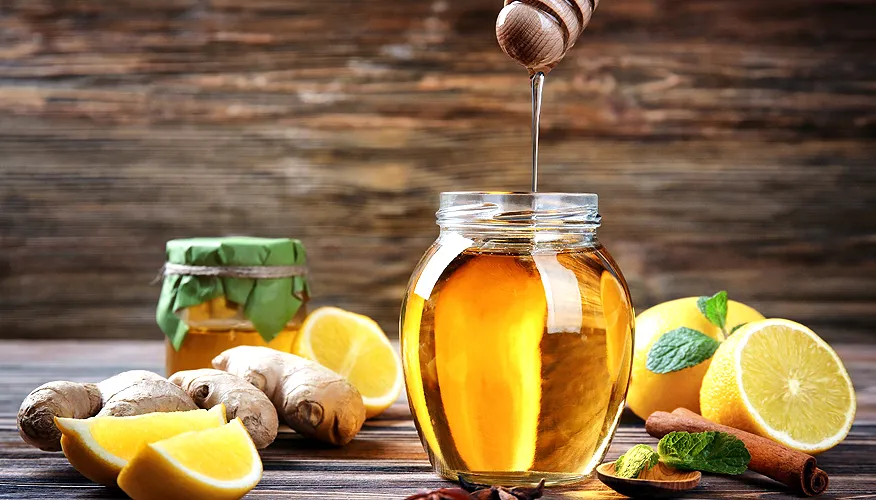
Cough is one of the major concerns of all people worldwide. The condition, as small as it sounds, affects nearly every individual. It is one of the most bothersome conditions affecting one’s work, productivity, and daily routine. Moreover, it goes on and disrupts your sleep too.
The age-old natural solutions, rooted in the simplicity of nature, have proven effective in addressing these concerns.
One such remedy is honey - a remarkable natural liquid containing at least 181 substances and relieves both cough and sleep difficulty.
Did you know? The World Health Organization has noted honey as a potential treatment for cough and cold symptoms, and it is considered a demulcent (relieves inflammation) that is inexpensive, popular, and safe for people.
Also, in a research study, it was found that honey has an excellent safety profile and beneficial effects on cough prevention and cough frequency.
How does honey work to help relieve a cough?
Honey is an effective remedy for treating cough.
Let’s delve into the mechanism through which it accomplishes this therapeutic effect.
Honey’s healing properties:
- Honey isn’t just a sweet treat; it's a natural marvel. This golden elixir is a sugar-rich solution. 95% of its dry matter is composed of carbohydrates.
- Moreover, it brings along a squad of proteins, amino acids, enzymes, vitamins, minerals, and phenolic compounds.
- Now, what makes honey a wellness warrior? It's the antioxidant and radical-scavenging abilities tucked away in these components.
- So, when you indulge in honey, you're not just enjoying a delicious treat – you're treating your body to a healing powerhouse of goodness.
The science behind honey’s effectiveness:
- When you savor honey, it kicks off a chain reaction. The sweetness activates your sensory neurons, and acts on your cough reflex.
- It creates a protective shield reducing the impact of irritating microorganisms and agents on your throat. Think of it as a superhero shield for the inside of your throat!
How much amount of honey should I take for my cough?
A tablespoon or two is usually the recommended amount of honey for soothing your cough and sore throat.
You can also go ahead and mix honey with lemon or tea for some added flavor and wholesome comfort.
The benefits of honey for cough
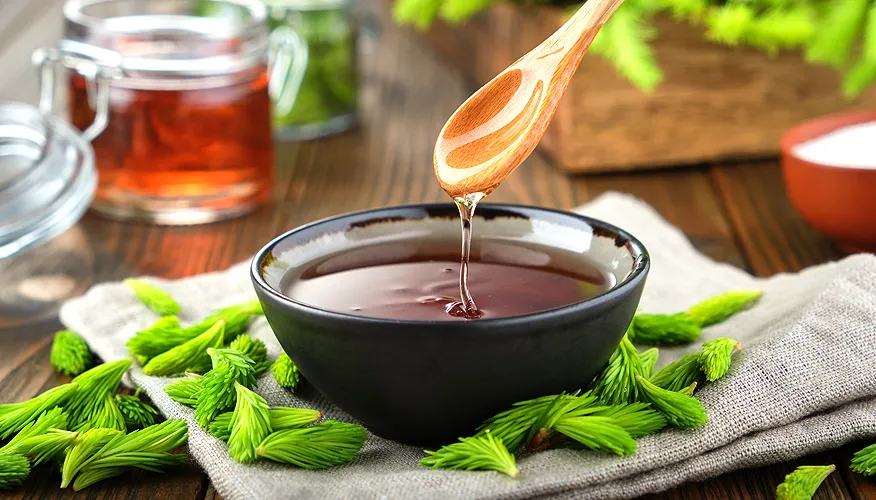
Little did you know! 74.9% of individuals prefer honey for treating cough and sore throat over relying on modern medicines.
There are numerous benefits of honey in providing relief from the most bothersome conditions.
Read more to explore the best of them:
Soothing effect:
- Honey is a multivitamin tonic and is the simplest and often the best way to soothe a cough and or sore throat.
- With just a few drops of lemon and honey, you have an age-old remedy that is still effective!
Antimicrobial properties:
- With its remarkable antimicrobial properties, honey not only prevents microbial growth but also actively promotes the healing process.
- Research study reveals honey's unique ability to nurture healing without causing any harm to tissues.
- Beyond that it serves as a valuable ally in infection prevention making it a versatile addition to your wellness toolkit.
Throat irritation reduction:
- Honey is effective in alleviating throat discomfort.
- Its soothing and anti-inflammatory properties work to reduce irritation providing a comforting solution for your throat.
Cough suppression:
- Honey acts as a natural cough suppressant.
- It reduces the frequency and severity of coughing episodes allowing you to sleep and rest more comfortably.
Choosing the right honey for cough
About 83% of individuals taking honey for their cough report no side effects and 69.4% of individuals report that honey can stimulate the body’s natural therapeutic power.
However, you might be wondering, "Which honey is good for cough?" Let’s read further to get some answers to this question.
Nowadays honey is available in many forms. Understanding the differences between natural and artificial honey will guide you to make an informed decision.
- Freshly extracted honey is like a viscous liquid, dark in color containing natural sugars.
- Artificial honey contains added sweeteners like syrups and molasses and is brighter in color.
- Natural honey retains its inherent nutritional properties together with antioxidants, enzymes, and vitamins.
- Artificial versions usually lack these beneficial properties as they go through industrial processes.
Opting for honey in its pure, unaltered form ensures not only an effective remedy but also the retention of valuable health benefits. Choose wisely for your overall well-being.
Top picks: What kind of honey for cough should I opt for?
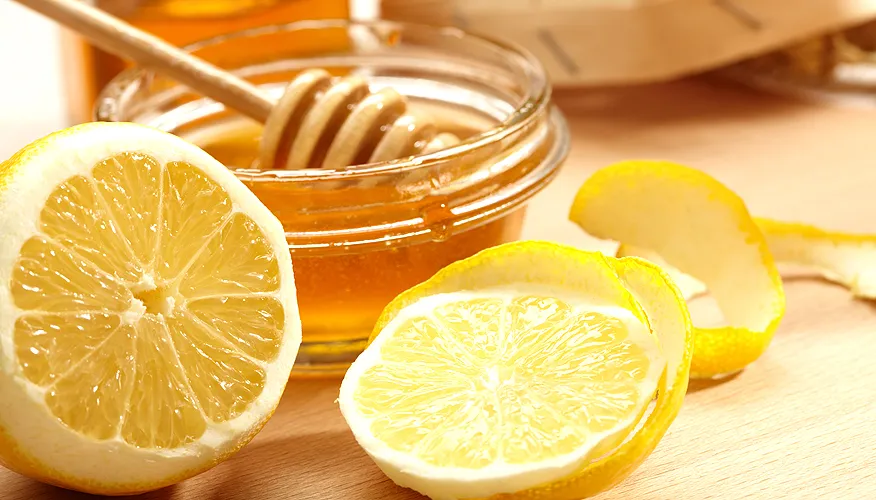
Here are some of the easiest honey types for cough relief you can have at home for effective cough relief:
Traditional honey lemon:
- Honey’s anti-inflammatory properties, combined with lemon's acidity, alleviate cough symptoms by breaking up mucus and reducing throat irritation.
- Lemon with honey provides extra hydration keeping the throat moist and reducing cough-related irritation.
Turmeric-infused honey:
- The herb turmeric demonstrates therapeutic effects, especially on dry cough.
- For dry cough, mix turmeric with a teaspoon of honey and consume 3 to 4 times a day for relief.
Cinnamon-spiced honey:
- Cinnamon, rich in antioxidants, is an effective remedy for chronic cough, cold, sinus, and even flu.
- Combining honey with cinnamon enhances its efficacy creating an ideal treatment for cough.
Wholesome hot water with honey:
- Hot water with honey provides a comforting beverage.
- This soothing drink effectively eases cough symptoms offering a comforting remedy.
Enhancing honey’s power: additional ingredients
Let’s explore the honey beyond its usual combinations for cough relief and discover additional ingredients that can enhance the effectiveness of cough treatment.
Garlic-infused honey:
- Garlic boasts a rich history as a treatment for colds and cough, recognized for its immune-strengthening properties.
- A simple honey and garlic mixture proves effective against various ailments including cold and cough to other respiratory infections.
Onion-infused honey:
- Onion and honey combine for a potent, synergistic cough relief remedy.
- Onion's antimicrobial properties complement honey's soothing effects for effective relief.
Radish-honey remedy:
- Radish with honey is a unique remedy that blends the soothing qualities of both.
- It harnesses the potential respiratory benefits for effective cough relief.
Manuka honey marvel:
- Manuka honey is popular for its exceptional antibacterial properties.
- It offers a natural and potent solution for various health benefits including cough relief.
Conclusion
Honey, a timeless remedy, proves to be a versatile ally in combating cough and soothing sore throats. Hopefully, this blog answers your question ‘Which honey is good for cough?’
With its rich history and proven effectiveness, honey emerges as a natural solution, not just for its sweetness but as a healing powerhouse which offers an amalgmation of effective cough and cold remedy and overall well-being.
Harnessing the natural goodness of honey, whether through traditional combinations or with additional ingredients, unveils a world of respiratory support. Embrace the simplicity and efficacy of honey, a golden elixir that transcends time offering comfort and wellness with every drop.
Frequently Asked Questions
Mix 1-2 teaspoons of honey and freshly squeezed lemon juice in warm water for a soothing cough remedy.
Yes, honey and lemon together can soothe a cough and provide relief.
Add 1-2 teaspoons of honey to your favorite tea, like chamomile or peppermint for a comforting cough remedy.
Absolutely! Ginger and honey together offer anti-inflammatory properties and can help ease a cough.
For babies over one year, a small amount of honey can be soothing for a cough, but always consult a pediatrician.
While honey provides relief, it may not cure a cough instantly. Consistency is the key to getting effective results.
Yes, buckwheat honey has shown potential in relieving cough symptoms effectively.
Yes, manuka honey's antimicrobial properties can be beneficial for soothing a cough and supporting overall throat health.

Dr. Iunis Galina Ivanovna
Dr. Iunis Galina Ivanovna is a Neurologist from Ukraine. She graduated from the Luhansk State Medical University in 1998, and has been in the medical profession since then. In the course of her career as a neurologist, Dr. Ivanovna has gathered extensive experience and expertise having handled a wide variety of cases.
Did you like our Article?
Excited
0
Happy
0
Not Sure
0
Silly
0
- Meo SA, et al. Role of honey in modern medicine. Saudi journal of biological sciences. 2017 Jul 1;24(5):975-8.
- Cohen HA, et al. Effect of honey on nocturnal cough and sleep quality: a double-blind, randomized, placebo-controlled study. Pediatrics. 2012 Sep 1;130(3):465-71.
- Murgia V, et al. Upper respiratory tract infection-associated acute cough and the urge to cough: New insights for clinical practice. Pediatric allergy, immunology, and pulmonology. 2020 Mar 1;33(1):3-11.
- Ajao AM, et al. A study of the use of honey and ethno-biological components in Nigerian trado-medical practices. British Journal of Applied Science & Technology. 2014 Jul 1;4(19):2796.
- Ibitoye OS. Transverse study of the perception and uses of honey as a complementary and alternative medicine in Ibadan, Nigeria. World News of Natural Sciences. 2019(25):1-4.
- Kumar KS, et al. Medicinal uses and health benefits of honey: an overview. J. Chem. Pharm. Res. 2010;2(1):385-95.
- Eteraf-Oskouei T, et al. Traditional and modern uses of natural honey in human diseases: a review. Iranian journal of basic medical sciences. 2013 Jun;16(6):731.
- Sadikan MZ, et al. Relevance and Use of Honey and Lemon Water for Cough.
- Chua LS, et al. Comparing the physiochemical properties of natural, synthetic and adulterated honeys.
- Sultana S, et al. Cough suppressant herbal drugs: A review. Int. J. Pharm. Sci. Invent. 2016 Aug;5(5):15-28.
- Maheshwari RK, et al Cinnamon: an imperative spice for human comfort. International Journal of Pharmaceutical Research and Bio-Science. 2013;2(5):131-45.
- Andualem B. Combined antibacterial activity of stingless bee (Apis mellipodae) honey and garlic (Allium sativum) extracts against standard and clinical pathogenic bacteria. Asian Pacific journal of tropical biomedicine. 2013 Sep 1;3(9):725-31.
- Sharma R. Improve your Health! With Honey. Diamond Pocket Books (P) Ltd.; 2005.
- Chauzova AV, et al. Honey as a medicine of traditional and official medicine.
- Van Eaton C. Manuka: the biography of an extraordinary honey. Exisle Publishing; 2015 Mar 17.
- Almasaudi S. The antibacterial activities of honey. Saudi Journal of Biological Sciences. 2021 Apr 1;28(4):2188-96.
- Combs D. Sweet Remedies: Healing Herbal Honeys. Hachette UK; 2019 Apr 2.
- Sharma S. Role of Ginger and its Components in Prevention and Treatment of Common Cold. NEW DELHI PUBLISHERS.:211.
- Goldman RD. Honey for treatment of cough in children. Canadian Family Physician. 2014 Dec 1;60(12):1107-10.
Our team of experts frequently monitors developments in the health and wellness field, and we update our articles when new information becomes available.
Current Version
May, 31 2024
Written By
Dr. Iunis Galina Ivanovna
May, 17 2024
Written By
Dr. Iunis Galina Ivanovna
May, 17 2024
Written By
Dr. Iunis Galina Ivanovna


Leave a Comment