
Exploring The Warning Signs Of Dehydration In Seniors
Key Highlights
- Seniors are more prone to dehydration due to reduced thirst and kidney efficiency, chronic illnesses, and medication side effects.
- Look for fatigue, confusion, dry mouth, low blood pressure, and cognitive impairments as early signs of dehydration.
- Reduced mobility, cognitive issues, and chronic health conditions contribute to fluid loss and insufficient hydration.
- Mild cases can be addressed with oral fluids, while severe dehydration requires immediate medical attention via IV fluids.
- Maintain balanced fluid intake, diversify hydration sources, enhance accessibility, and consult healthcare providers for personalized advice.

As people age, the body’s ability to retain water and respond to thirst diminishes, making seniors more susceptible to dehydration. Dehydration, while common, can have serious health consequences if left unchecked. In older adults, dehydration is often linked to chronic illnesses, medication side effects, and physical limitations that may hinder regular water intake.
Dehydration in seniors can lead to complications such as urinary tract infections, kidney stones, and even cognitive impairments like confusion and dizziness, which can increase the risk of falls and injuries.
Moreover, the signs of dehydration can be subtle or mistaken for symptoms of other health conditions, making it challenging for caregivers and loved ones to detect the problem early.
In this blog, we aim to shed light on the signs of dehydration in seniors, while providing practical advice on recognizing and addressing the early signs of dehydration.
Understanding dehydration
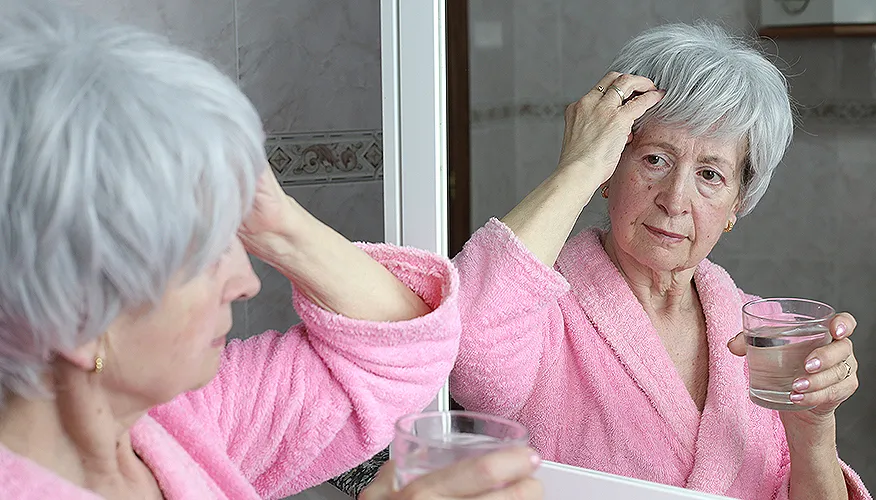
Dehydration occurs when the body loses more fluids than it takes in, resulting in an insufficient amount of water to function properly.
In seniors, this condition is particularly concerning because their bodies naturally hold less water, and their sense of thirst diminishes with age. The kidneys also function less efficiently, which can compound the problem by reducing the body's ability to conserve water.
Medications that increase urine output or stimulate excessive sweating can also exacerbate dehydration. As fluid levels drop, blood volume decreases, and the heart must work harder to circulate blood through the body. This additional strain can be dangerous, particularly for those with underlying heart conditions.
In the elderly, even mild dehydration can disrupt electrolyte balance, leading to symptoms such as muscle weakness, headaches, lethargy, and dry skin. The mental effects are just as significant; dehydration can cause confusion, irritability, and a general sense of unwellness, which can be mistaken for other medical conditions or simply attributed to aging.
Recognizing these signs early and understanding the dynamics of dehydration are vital steps in maintaining the health of seniors. By ensuring they consume adequate fluids, especially during hot weather or when ill, caregivers can help mitigate the risks associated with dehydration.
Symptoms and signs of dehydration in seniors
Signs of dehydration in elderly are different than in younger individuals, with unique symptoms that can easily be mistaken for other health issues.
Here are the signs of dehydration in older adults to look out for:
- Fatigue and lethargy: Low energy levels are a common early sign, as dehydration can impair the body’s ability to function properly.
- Cognitive changes: Confusion, disorientation, or an unusual level of irritability can signal dehydration. Seniors may appear forgetful or unable to concentrate.
- Shriveled skin and sunken eyes: Significant fluid loss can lead to these visible signs, which indicate advanced dehydration.
- Elevated heart rate and low blood pressure: A rapid pulse and hypotension suggest that dehydration and low blood pressure in elderly is straining the cardiovascular system.
- Dizziness and fainting: With less fluid, blood volume drops, causing dizziness or even fainting spells, particularly when moving from sitting to standing.
- Dry mouth and decreased urination: Persistent thirst, a dry mouth, and reduced urination are telltale signs. Urine that is dark or amber-colored is a red flag for dehydration.
- Delirium and seizures: Can dehydration cause confusion in elderly? Yes, severe dehydration can cause neurological symptoms like delirium or seizures due to electrolyte imbalances.
Recognizing these symptoms of dehydration in elderly early is essential for preventing severe health consequences.
If you notice any of these signs in yourself or in an elderly loved one, it’s important to seek immediate hydration support and consult healthcare professionals as needed.
Causes of dehydration in seniors
Dehydration in seniors can occur for several reasons, often stemming from age-related physiological changes and health conditions. Here are some notable causes:
- Reduced sense of thirst: With age, the body’s natural ability to recognize thirst diminishes, leading to less water consumption.
- Cognitive changes: Conditions like Alzheimer’s or dementia can result in seniors forgetting to drink water, requiring frequent reminders from caregivers.
- Decreased mobility: Limited mobility can make it difficult for some seniors to access water or food regularly, especially in care facilities where staff assistance is required.
- Medication side effects: Diuretics and chemotherapy drugs can increase urination and sweating, contributing to fluid loss.
- Chronic illnesses: Conditions such as diabetes, gastrointestinal disorders, or kidney disease can exacerbate dehydration through increased fluid loss.
- Heat exposure: Spending time in hot conditions can lead to excessive sweating and fluid loss, increasing the risk of heat-related illnesses.
Addressing these underlying causes is crucial for preventing dehydration and maintaining proper hydration among seniors.
Encouraging fluid intake, monitoring symptoms, and educating seniors on hydration's importance can significantly reduce the risk of severe dehydration and its complications.
Treatment for dehydration in elderly

Treatment for dehydration in elderly requires prompt attention to replenish lost fluids and address underlying causes. The dehydration recovery time elderly varies, but, here's a structured approach to treatment:
Mild dehydration
- Mild cases can often be treated at home by increasing oral fluid intake. Provide frequent sips of water, diluted fruit juices, or electrolyte drinks.
- Foods with high water content, like fruits (watermelon, strawberries), vegetables (cucumbers, celery), and clear broth-based soups, can also help boost hydration levels.
- This method is suitable if the symptoms include mild fatigue or dry mouth.
Moderate to severe dehydration
- For cases involving significant weight loss, confusion, or muscle weakness, medical assistance is required.
- Intravenous (IV) fluids administered by healthcare professionals can rapidly restore hydration and electrolyte levels.
- This is crucial if dehydration leads to kidney problems or cardiovascular complications.
Monitoring and prevention
- A proactive approach includes monitoring fluid intake regularly. Family members or caregivers should track daily hydration levels, especially if the person has mobility or cognitive challenges.
- Involving healthcare providers to adjust medications or underlying conditions that may exacerbate dehydration is essential.
- Developing a consistent hydration schedule, supplemented by water-rich foods and drinks, can help avoid recurring dehydration.
Address underlying issues
Dehydration in elderly can be worsened by medication side effects or chronic illnesses, so it’s important to consult healthcare providers to review prescriptions or identify other factors.
For swallowing difficulties, an occupational therapist may suggest alternate drinking methods like straws or adjusted fluid textures.
Caregiver support and lifestyle adjustments
Caregivers should educate seniors on recognizing their reduced thirst sensation and help them remain hydrated through gentle encouragement. Minimize caffeine and alcohol consumption, and opt for non-diuretic drinks when possible. Keeping fluids accessible and appealing while offering smaller, frequent sips is often effective.
By following these treatment strategies and remaining vigilant for early signs, seniors can recover more quickly from dehydration and prevent future occurrences.
Prevention of dehydration in seniors
Preventing dehydration in the elderly involves recognizing the underlying challenges they face, including decreased kidney function, a diminished sense of thirst, medication side effects, and illnesses like diabetes or digestive issues.
Here are some practical strategies to keep away dehydration in older adults:
- Maintain a balanced fluid intake: Monitor fluid intake relative to output, especially when sweating or urinating frequently, to ensure sufficient hydration.
- Diversify hydration sources: Water isn’t the only option. Many foods and beverages contain high water content, such as diluted fruit juices, broths, popsicles, and hydrating snacks like celery, cucumbers, and watermelon. Additionally, consider water-rich foods like salads or soups.
- Enhance accessibility: Make drinking easier by providing suitable drinkware for those with mobility challenges or vision impairments. Cups with handles, built-in straws, and ergonomic designs can simplify drinking.
- Encourage regular drinking: Remind seniors to drink throughout the day, especially during meals and after physical activity. They should also increase their fluid intake during hot or humid weather and when ill.
- Be mindful of illness and medication: Illnesses causing diarrhea or vomiting, as well as diuretics, can increase fluid loss. Respond by monitoring intake and adjusting as necessary. Consult healthcare professionals for specific advice.
- Make drinking enjoyable: Some seniors resist drinking due to bland tastes. Try flavoring water with lemon, lime, or mint to make it more appealing. Serve beverages at varying temperatures or use attractive drinkware.
By incorporating these practices into daily routines, seniors and their caregivers can help prevent dehydration while promoting overall health. Always consult healthcare providers for personalized hydration recommendations.
Conclusion
Recognizing the warning signs and understanding the complexities of dehydration in seniors is critical for preventing serious health risks. With aging comes a diminished thirst sensation, reduced kidney function, and an increased likelihood of chronic illnesses—all factors that make older adults more susceptible to dehydration.
Caregivers and healthcare professionals play a vital role in addressing these challenges, ensuring fluid intake is balanced and providing diverse hydration options to encourage regular drinking. By monitoring symptoms, diversifying sources of hydration, and making drinking accessible and enjoyable, seniors can maintain proper fluid levels and overall health.
Staying vigilant and proactive can help prevent dehydration, enabling seniors to thrive and reduce their risk of dehydration-related complications. Consult healthcare professionals for tailored advice to navigate the specific challenges each individual faces, as personalized strategies are crucial in maintaining senior well-being.
Frequently Asked Questions
Dehydration in older adults can lead to a variety of health problems, ranging from mild to severe. Common side effects include fatigue, muscle weakness, dizziness, confusion, dry mouth, and reduced urination. More serious complications can include urinary tract infections, kidney stones, and cognitive impairments that can result in confusion and an increased risk of falls.
Mild dehydration can often be managed at home by increasing oral fluid intake, focusing on water and hydrating foods like watermelon, cucumber, and broth-based soups. In more severe cases involving confusion, rapid heartbeat, or muscle weakness, professional medical treatment may be necessary, which could involve intravenous fluids to restore hydration levels quickly.
Risk factors include reduced thirst sensation, chronic illnesses like diabetes and gastrointestinal disorders, cognitive conditions such as Alzheimer's that cause individuals to forget to drink water, and medications that increase fluid loss. Mobility issues and spending time in hot weather can also elevate dehydration risks.
Healthcare professionals assess dehydration by checking for physical signs such as dry mouth, decreased skin elasticity, and low blood pressure. They may also analyze blood or urine samples to detect electrolyte imbalances, or measure urine concentration to determine hydration levels.
Aging reduces the body's ability to retain water and diminishes the sensation of thirst. Kidneys become less efficient, and chronic conditions or medications can exacerbate fluid loss. Cognitive changes may also impact the regularity of drinking habits.
Seniors are generally advised to drink around 64 ounces (eight cups) of fluids daily. However, the exact amount may vary based on health conditions, medications, and activity levels. Consulting healthcare professionals for personalized recommendations is crucial.
Aging reduces the efficiency of the kidneys, limiting their ability to conserve water and electrolytes. Hormonal changes also impact fluid regulation, while chronic health conditions and medications further complicate the body's natural balance.
For seniors who dislike plain water, alternatives include flavored water, diluted fruit juices, and water-rich foods like cucumber, watermelon, and broth-based soups. Other enticing options could be popsicles, smoothies, and fruit-infused water.

Dr. Iunis Galina Ivanovna
Dr. Iunis Galina Ivanovna is a Neurologist from Ukraine. She graduated from the Luhansk State Medical University in 1998, and has been in the medical profession since then. In the course of her career as a neurologist, Dr. Ivanovna has gathered extensive experience and expertise having handled a wide variety of cases.
Did you like our Article?
Excited
0
Happy
0
Not Sure
0
Silly
0
Our team of experts frequently monitors developments in the health and wellness field, and we update our articles when new information becomes available.
Current Version
May, 28 2024
Written By
Dr. Iunis Galina Ivanovna


Leave a Comment