
What Do You Need To Know About Healthy Aging?
Key Highlights
- Prioritize physical activity, nutritious eating, and regular health check-ups to maintain independence and overall well-being.
- Stay proactive with preventive healthcare measures to reduce disease risks and ensure optimal health outcomes.
- Engage in mindfulness practices, cognitive stimulation, and social connections to enhance mental clarity and emotional resilience.
- Embrace digital tools and telehealth services for convenient healthcare access and personalized support.
- Take proactive steps to manage chronic illnesses effectively, ensuring a higher quality of life and reducing healthcare burdens.
- Foster meaningful relationships and community engagement to combat loneliness and promote a sense of purpose and belonging.
- Cultivate a positive mindset and develop resilience to navigate life's challenges with optimism and vitality.

Healthy aging is a concept that focuses on maintaining well-being, vitality, and an active lifestyle as we grow older. It’s not just about living longer, but about living well, with quality of life being a central goal.
Healthy aging is influenced by various factors, including genetics, lifestyle choices, and environmental influences. It encourages us to focus on holistic health by prioritizing physical fitness, mental clarity, emotional stability, and social connection.
By adopting strategies like nutritious eating, regular exercise, and proactive healthcare, we can enjoy an active, fulfilling life in our later years.
In this blog, we’ll delve deeper into understanding aging and explore practical ways to embrace the aging process in a positive light.
Understanding aging
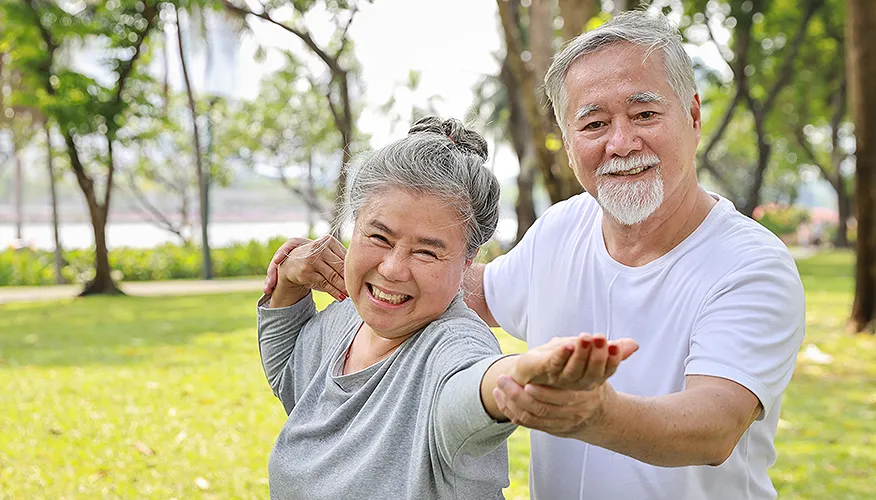
Aging is a natural process that involves gradual physical, mental, and social changes over time. It can affect each individual differently.
While some changes are inevitable, many are influenced by lifestyle habits like diet, exercise, and stress management. Understanding aging’s meaning requires awareness of the physical changes that occur, the challenges older adults face, and how society supports the aging population.
Healthy aging is about embracing these changes, adapting, and prioritizing habits that enhance long-term well-being.
What Is healthy aging?
Healthy aging is referred to as the process of developing and maintaining the functional ability that enables well-being as we age.
The healthy aging definition goes beyond merely extending life expectancy and includes efforts to ensure that older individuals remain active, healthy, and capable of enjoying a good quality of life as they age.
It encompasses physical, mental, and social well-being, which are supported by healthy environments and lifestyle choices.
Why Is healthy aging important?
Healthy aging is important because it plays a crucial role in maintaining a high quality of life as people age.
Here’re the importance of healthy ageing:
- Maintains independence: As people age, maintaining independence becomes vital. Healthy ageing or aging helps individuals stay active and capable of performing daily tasks longer, reducing the reliance on caregivers and healthcare services.
- Reduces disease risk: Adopting a healthy lifestyle reduces the risk of chronic conditions such as heart disease, diabetes, and certain cancers. This not only extends life expectancy but also improves the quality of those additional years.
- Enhances mental health: A focus on holistic well-being, including social engagement, mental stimulation, and emotional support, reduces the risks of cognitive decline and depression. This helps individuals remain mentally sharp and emotionally resilient.
- Boosts functional ability: The World Health Organization highlights that functional ability—the ability to do what one values—is critical. Healthy aging enhances physical and mental capacities, supporting individuals in achieving their life goals and participating in meaningful activities.
- Strengthens community and social connections: Older adults who age healthily are more likely to stay socially connected, contributing to a sense of purpose and community involvement. This reduces social isolation and strengthens intergenerational relationships.
- Lowers healthcare costs: Healthy aging results in fewer healthcare interventions, reducing the financial burden on individuals, families, and the healthcare system.
- Promotes longevity and fulfillment: Ultimately, healthy aging aligns with living longer, fuller lives, ensuring that people can continue to pursue their passions, hobbies, and relationships even as they grow older.
Key factors for healthy aging
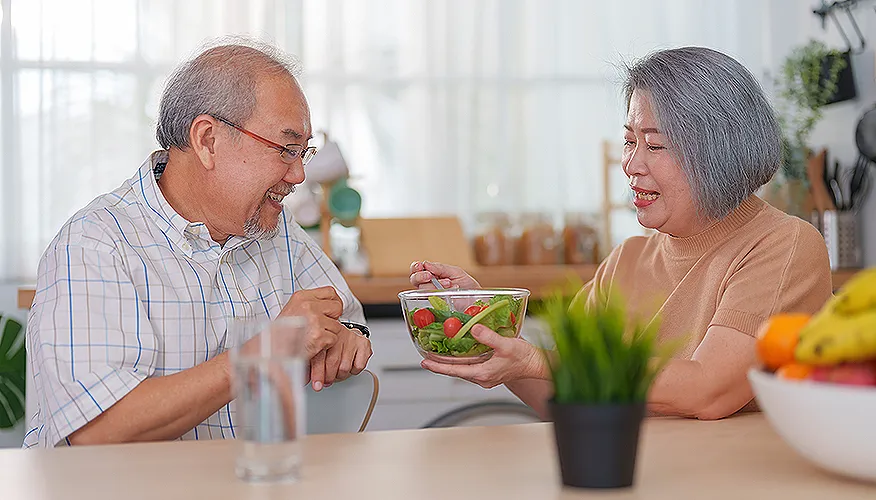
Check these 10 tips for healthy aging! These factors collectively contribute to a holistic approach to healthy aging, promoting longevity and an active, fulfilling lifestyle.
- Physical activity: Engage in regular physical activity to maintain strength, flexibility, and cardiovascular health. Activities like walking, swimming, or yoga help preserve mobility and reduce the risk of chronic diseases.
- Nutrition: Follow a well-balanced diet that includes plenty of fruits, vegetables, lean proteins, and whole grains. Proper nutrition is crucial in preventing illness and supporting overall health.
- Mindfulness and mental health: Manage stress and promote emotional well-being through practices like meditation, mindfulness, and engaging hobbies. Mental health is vital for maintaining a positive outlook on aging.
- Regular health check-ups: Schedule regular medical check-ups to detect potential health issues early and manage existing conditions. Preventive care is key to maintaining optimal health.
- Quality sleep: Aim for 7-8 hours of quality sleep each night to support cognitive function and physical health. Practice good sleep hygiene to ensure restorative rest.
- Avoid harmful habits: Avoid smoking, limit alcohol consumption, and minimize exposure to harmful substances to protect your health.
- Social connections: Foster relationships with family, friends, and the community. Social engagement reduces feelings of loneliness and enhances emotional health.
- Stay active mentally: Keep the brain engaged by solving puzzles, reading, or learning new skills to prevent cognitive decline and sharpen mental acuity.
- Manage chronic conditions: Follow medical advice and make lifestyle adjustments to manage chronic conditions effectively. This can help in preventing complications and in improving the quality of life.
- Positive outlook and resilience: Cultivate a positive attitude and develop resilience to adapt to life's challenges. A positive mindset can lead to better health outcomes and a happier life.
Overcoming challenges in healthy aging
Healthy aging is a goal many strive for, but it comes with its own set of challenges. Understanding and overcoming these challenges is crucial for maintaining a high quality of life as we age.
Here are some key challenges and healthy aging tips:
- Managing chronic conditions: Many older adults face chronic illnesses like diabetes, heart disease, or arthritis. Effective management through regular checkups, medication adherence, and lifestyle adjustments can significantly improve quality of life.
- Physical activity limitations: Physical limitations or reduced mobility can discourage exercise, yet staying active is crucial. Simple routines like walking, stretching, or yoga help maintain strength and flexibility.
- Mental health issues: Anxiety, depression, and cognitive decline can challenge healthy aging. Social support, mental stimulation, and therapy are valuable tools to address these issues.
- Nutritional deficiencies: Aging bodies require balanced nutrition. Older adults often lack vital nutrients due to appetite changes or health conditions. A diet rich in vegetables, lean proteins, fruits, and whole grains supports overall health.
- Social isolation: Older adults may struggle with loneliness due to retirement, loss of loved ones, or mobility challenges. Staying connected through community groups, hobbies, or family support fosters a sense of belonging.
Embracing technology for healthy aging

As we navigate the aging process, technology offers powerful tools to support healthy living. From wearable fitness trackers to telehealth services, digital innovations can enhance active and healthy ageing and improve the quality of life for older adults.
- Wearable devices and health monitoring: Fitness trackers and smartwatches have made it easier for older adults to monitor their physical activity, sleep patterns, and heart rate. By providing real-time data, these devices empower individuals to stay active, set health goals, and detect any irregularities that may require medical attention.
- Telehealth services: With the rise of telehealth, older adults can now access medical consultations, therapy sessions, and prescription refills from the comfort of their homes. This convenience eliminates travel barriers and enables more frequent communication with healthcare providers, improving management of chronic conditions.
- Social connectivity: Technology bridges gaps by enabling older adults to stay connected with friends and family via social media, video calls, and messaging apps. Staying socially active combats loneliness, which can negatively impact both mental and physical health.
- Cognitive training: Brain health is vital for healthy aging, and online platforms provide access to games, puzzles, and cognitive exercises designed to challenge memory and problem-solving skills. These activities can improve cognitive function and slow age-related decline.
- Smart home technology: Smart home devices can enhance safety and independence for older adults. Voice-activated assistants and sensors can remind individuals to take their medications, manage their daily schedules, and even detect potential hazards like falls.
- Medication management: Digital tools like pill reminder apps and smart pill dispensers help older adults organize their medication schedules, preventing missed doses and reducing the risk of adverse reactions.
Conclusion
The concept of healthy ageing is not just about adding years to our lives but about adding life to our years. It's a multifaceted journey that encompasses physical, mental, and social well-being, influenced by factors such as genetics, lifestyle choices, and environmental surroundings. By adopting a proactive approach to health and embracing technologies that support our well-being, we can navigate the aging process with vitality and purpose.
From staying physically active and socially connected to managing chronic conditions and embracing digital innovations, there are countless ways to promote healthy aging and enjoy a fulfilling life at every stage. As we continue to explore and implement strategies for healthy aging, let's remember that it's never too late to invest in our health and well-being, ensuring that we can savor the joys of life for years to come.
Frequently Asked Questions
Healthy aging encompasses physical health, mental well-being, and social engagement. These three components work together to promote overall well-being as individuals age.
Healthy aging focuses on maintaining overall well-being and quality of life as people age, encompassing physical, mental, and social health. Active aging, on the other hand, emphasizes continued participation in social, economic, cultural, spiritual, and civic affairs, highlighting the importance of remaining engaged and productive in later life.
You can age healthily by prioritizing habits that promote physical activity, mental stimulation, emotional well-being, and social connection. This includes regular exercise, balanced nutrition, adequate sleep, managing stress, staying socially engaged, and seeking preventive healthcare.
The five principles of healthy aging include physical activity, nutrition, mental health, preventive healthcare, and social connections. By focusing on these aspects, individuals can promote longevity and maintain a high quality of life as they age.
No, it's never too late to start adopting healthy habits for aging. Even small changes in lifestyle can have significant benefits for health and well-being, regardless of age.
Eating a healthy diet rich in fruits, vegetables, lean proteins, and whole grains provides essential nutrients that support overall health and help prevent age-related diseases. Proper nutrition is vital for maintaining physical vitality, cognitive function, and emotional well-being as we age.
The frequency of health checkups may vary based on individual health status and risk factors. However, it's generally recommended to have regular checkups with your healthcare provider, typically annually or as advised by your doctor, to monitor and manage any health concerns and to receive preventive screenings and vaccinations.

Dr. Bugaeva Irina Viktorovna
She graduated from Lugansk State Medical University in 1995. Qualification of pediatrics, ultrasound diagnostics, pediatric gastroenterology. 10 years experience as a doctor.
Did you like our Article?
Excited
0
Happy
0
Not Sure
0
Silly
0
Our team of experts frequently monitors developments in the health and wellness field, and we update our articles when new information becomes available.
Current Version
Jun, 19 2024
Written By
Dr. Bugaeva Irina Viktorovna
May, 28 2024
Written By
Dr. Bugaeva Irina Viktorovna


Leave a Comment