
Embrace Wellness: 10 Self-Care Practices for Enhanced Mental Health
Key Highlights
- Mental health is as crucial as physical health.
- Self-care practices are effective tools for maintaining mental wellness.
- Mindfulness, exercise, and proper nutrition are among the top self-care practices.
- Developing a routine and sticking to it improves overall mental health.
- Connecting with loved ones and seeking help when needed is part of self-care.
- Balance is key in every aspect of life for optimal mental health.

Have you ever realized how the hustle and bustle of our everyday life seem to leave us feeling drained? In this fast-paced world, where we’re constantly juggling our professional commitments and personal responsibilities, it’s easy to forget one important thing - taking care of ourselves.
Sure, we’ve all heard of self-care, but how many of us actually practice it diligently? Self-care isn’t just about indulging in a bubble bath or treating yourself to a spa day. It’s much deeper than that. It’s about taking care of our mental health - the core essence that makes us who we are.
If you’re reading this, chances are you’re ready for a change. You know it’s time to stop sidelining your own needs and start prioritizing your mental well-being.
We are going to walk with you through 10 simple self-care practices that can give a boost to your mental health. Not only will these practices help you unwind and relax, but they’ll also contribute to a more balanced, joyful, and fulfilling life.
So, sit back, take a deep breath, and let’s embark on the journey towards better mental health together!
The importance of mental health
Let’s talk about mental health. So, why is it essential? Mental health is as crucial to our well-being as physical health. It influences how we think, feel, and behave in daily life. It also impacts our ability to handle stress, relate to others, and make decisions. Mental health is significant at every stage of life, from childhood and adolescence through adulthood.
When our mental health is positive, we can realize our potential, cope with the normal stresses of life, work productively, and contribute to our communities.
Neglecting mental health can lead to serious health complications, including heart disease, high blood pressure, weakened immune system, asthma, obesity, and even premature death. It can also lead to unhealthy habits such as smoking, excessive drinking, aggression, or self-harm. Therefore, maintaining good mental health should be a prime concern for everyone.
Understanding self-care
Self-care refers to the practice of taking action to maintain or improve one’s own health, wellbeing, and happiness. This involves a wide range of activities that you enjoy and that help you relax and recharge.
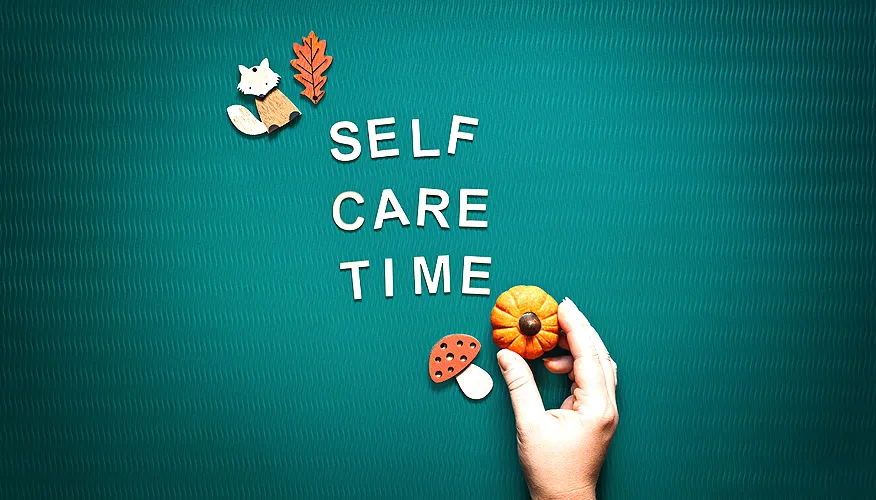
Self-care is not a one-size-fits-all concept; it varies from person to person based on individual needs and preferences. The main aim of self-care is to establish and maintain a healthy relationship with oneself in order to produce positive feelings and boost confidence and self-esteem.
It’s about understanding your needs and taking the time to meet them. It can be anything from getting enough sleep to eating healthy food or spending time in nature.
10 simple self-care practices
1. Get enough sleep
- Getting sufficient and quality sleep is paramount for both physical and mental well-being. Adequate sleep plays a crucial role in regulating mood, improving cognitive function, enhancing concentration, and reducing stress levels.
- Sleep deprivation can lead to irritability, difficulty concentrating, and heightened stress, ultimately impacting overall health and functioning.
- Prioritizing a consistent sleep schedule and creating a conducive sleep environment can significantly contribute to better sleep quality and overall health.
2. Eat healthy foods
- A balanced diet rich in fruits, vegetables, whole grains, and lean proteins provides essential nutrients that support optimal brain function and mental health.
- Nutrient-dense foods fuel the body and brain, promoting overall well-being.
- Research suggests that certain nutrients, such as omega-3 fatty acids and antioxidants, may have protective effects against mental health disorders like depression and anxiety.
3. Daily exercise
- Regular physical activity is not only beneficial for physical health but also plays a crucial role in maintaining mental well-being.
- Exercise has been shown to boost mood, reduce stress and anxiety, improve memory and cognitive function, and enhance sleep quality.
- Engaging in activities like walking, jogging, yoga, or dancing can help release endorphins, the body's natural feel-good chemicals, promoting a sense of well-being and relaxation.
4. Practice mindfulness
- Mindfulness involves being fully present in the moment without judgment. It can help reduce stress, improve focus, and enhance overall well-being.
- Mindfulness practices, such as meditation, deep breathing exercises, and body scans, can help cultivate a greater sense of awareness and promote relaxation.
- Incorporating mindfulness into daily routines can help individuals manage stress more effectively and build resilience to life's challenges.
5. Maintain social connections
- Social connections play a vital role in mental health and well-being. Surrounding yourself with supportive friends and family members can provide emotional support, reduce feelings of loneliness and isolation, and enhance overall happiness.
- Building and maintaining strong social connections through regular communication, spending quality time together, and participating in social activities can positively impact mental health and resilience.

6. Express gratitude
- Practicing gratitude involves acknowledging and appreciating the positive aspects of life, no matter how small.
- Cultivating a mindset of gratitude can enhance mood, increase resilience, and improve overall mental well-being.
- Keeping a gratitude journal, expressing gratitude to others, or simply taking time to reflect on things to be thankful for can help shift focus away from negativity and promote a more positive outlook on life.
7. Set boundaries
- Learning to set boundaries is essential for self-care and maintaining overall well-being. Setting limits on commitments and responsibilities can prevent burnout, reduce stress, and promote a better work-life balance.
- Saying no to activities or requests that drain your time and energy is crucial for preserving mental and emotional health.
- Setting boundaries allows individuals to prioritize their needs and allocate time and energy to activities that align with their values and goals.
8. Prioritize time for yourself
- Carving out time for self-care activities is essential for recharging and rejuvenating the mind and body.
- Engaging in activities that bring joy and relaxation, such as reading, hobbies, or spending time in nature, can help reduce stress and promote overall well-being.
- Prioritizing self-care allows individuals to nurture their physical, emotional, and mental health, ultimately enhancing resilience and coping abilities.
9. Nature therapy
- Spending time in nature has been shown to have numerous benefits for mental health and well-being.
- Nature therapy, also known as ecotherapy or green therapy, involves immersing oneself in natural environments to promote relaxation, reduce stress, and improve mood.
- Spending time outdoors can help individuals reconnect with nature, cultivate mindfulness, and gain perspective on life’s challenges.
- Activities such as hiking, gardening, or simply spending time in a natural setting can have profound effects on mental health and overall well-being.
10. Seek professional help when needed
- While self-care strategies are valuable, there are times when professional support may be necessary.
- Mental health professionals, such as therapists, counselors, or psychiatrists, are trained to provide guidance, support, and treatment for a wide range of mental health concerns.
- Seeking professional help is a proactive step towards addressing mental health challenges and can provide individuals with the tools and resources needed to navigate difficult times effectively.
- It’s important to remember that seeking help is a sign of strength, and there is no shame in reaching out for support when needed.
Conclusion
These self-care practices are simple yet powerful measures that can greatly impact our mental health. They are about making intentional choices every day to care for our well-being. It’s worth noting that self-care isn’t selfish; instead, it’s an act of preserving or improving one's own health.
Finally, remember that everyone’s self-care needs are unique. What works for one person might not work as well for another. Therefore, it’s important to listen to your body and mind and determine what self-care practices work best for you. You have the power to improve your mental health and taking that first step towards self-care is a start.
Frequently Asked Questions
Absolutely! Many of these practices can be done in just a few minutes each day. For example, taking deep breaths during a stressful situation, going for a short walk during lunch breaks, or even giving yourself a few quiet moments before bed can all contribute to better mental health.
The effects of self-care on mental health can vary from person to person. You might start feeling better immediately after starting these practices, or it may take a few weeks. The key is consistency - make these practices a regular part of your routine for the best results.
If these practices aren't improving your mental health or if you're feeling overwhelmed by emotions, it might be helpful to consult with a mental health professional. They can provide guidance and support and can help you find other strategies that might work better for your specific needs.
While self-care practices can greatly contribute to better mental health, they are not a substitute for professional help if you're dealing with serious mental health issues. If you're experiencing symptoms of depression, anxiety disorders, or other mental health conditions, it's important to reach out to a healthcare provider.
Absolutely not! Self-care doesn't necessarily mean expensive spa days or luxury vacations. Simple practices like taking a walk outside, meditating, or even enjoying a quiet cup of tea can be an act of self-care. It's all about doing what makes you feel good and relaxed.
While these self-care practices can greatly contribute to better mental health, they should not replace professional help if needed. If you're experiencing severe anxiety, depression, or other mental health disorders, it's essential to seek help from a healthcare professional.
The best way to figure out the right self-care practice for you is to listen to your body and mind. What relaxes and rejuvenates you may not have the same effect on someone else. So, it's essential to find what works best for you and makes you feel good about yourself.
No way! Remember the old saying, "You can't pour from an empty cup"? It perfectly applies here. Taking care of your mental health is not selfish; it's essential for your well-being and the well-being of those around you.
Certainly! Regular self-care routines not only improve mental health but also enhance one's overall quality of life. It helps in managing stress better, improving mood, boosting self-esteem, and promoting a positive outlook on life.

Dr. Bugaeva Irina Viktorovna
She graduated from Lugansk State Medical University in 1995. Qualification of pediatrics, ultrasound diagnostics, pediatric gastroenterology. 10 years experience as a doctor.
Did you like our Article?
Excited
0
Happy
0
Not Sure
0
Silly
0
Our team of experts frequently monitors developments in the health and wellness field, and we update our articles when new information becomes available.
Current Version
May, 21 2024
Written By
Dr. Bugaeva Irina Viktorovna
Fact checked By
Dr. Sintayehu Abebe


Leave a Comment