
Fostering Self-Compassion: How to Master the Art of Self-Kindness
Key Highlights
- Self-compassion is about accepting ourselves with kindness and understanding.
- Cultivating self-compassion improves mental well-being, resilience, and overall life satisfaction.
- Practicing mindfulness, positive self-talk, and self-kindness are key steps to cultivate self-compassion.
- Overcoming internal resistance is essential for nurturing self-compassion.
- Embracing our imperfections with compassion is at the heart of self-acceptance.

‘Oops, I did it again!’
Ever caught yourself repeating this phrase, not in a catchy Britney Spears tune, but more in the context of self-blame and criticism? We all have those moments where we stumble and let ourselves down. But instead of showing kindness and understanding towards our own selves, we often tend to be our harshest critic.
Have you ever stopped to wonder why we treat ourselves much more rigidly than we would treat a friend? Or why is it so hard for us to cut ourselves some slack? Why is self-pity more common than self-compassion?
Welcome aboard as we embark on a journey to explore the concept of self-compassion. Here’s your chance to learn how to embrace kindness towards yourself, to cultivate self-compassion, and understand why it can be your most powerful tool for personal growth and well-being.
Stick around, and you might just discover the secret ingredient to a healthier, happier you!
Understanding self-compassion
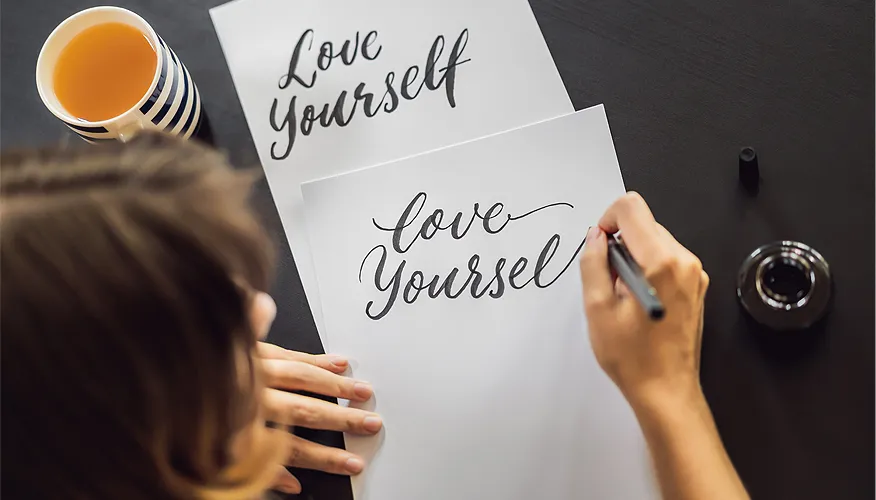
Have you ever wondered what self-compassion is? It’s not about being self-centered or narcissistic. Rather, self-compassion is the act of treating yourself with the same kindness, care, and understanding that you would offer to a dear friend. It’s about acknowledging that we’re all human, imperfect, and vulnerable at times, and making peace with these facts.
Self-compassion is a three-part concept which includes self-kindness, common humanity and mindfulness. Self-kindness involves treating yourself with gentleness and understanding, especially when you're facing challenges or setbacks. It means being your own source of comfort and support, rather than harshly criticizing yourself.
Recognizing common humanity reminds us that we’re all in this together. We all experience pain, make mistakes, and struggle at times—it’s just part of being human. Understanding this can help us feel less alone in our difficulties and more connected to others.
Mindfulness is about being present with our emotions without judgment. It’s about acknowledging our feelings, whether they’re positive or negative, without trying to suppress or exaggerate them. By staying grounded in the present moment, we can respond to our own needs with clarity and compassion.
So, in essence, self-compassion is about treating yourself with the same kindness and understanding you would offer to a dear friend. It's about embracing your humanity, flaws and all, and nurturing a sense of inner strength and resilience.
The magic of being kind to yourself: Benefits of self-compassion
So, why should you embrace self-compassion?
The benefits are many and they have been backed by numerous studies.
- To start, self-compassion can lead to better mental health. People who practice self-compassion typically experience less anxiety, depression, and stress.
- They also exhibit higher levels of happiness, optimism, wisdom, curiosity, and personal initiative.
- Furthermore, self-compassion can improve our physical health as well. It has been associated with better immune function, improved pain management, and increased longevity.
- Additionally, those who practice self-compassion tend to adopt healthier lifestyle habits such as proper dieting, regular exercise, and adequate sleep.
Steps to cultivate self-compassion

Wondering how to foster self-compassion in your life?
Let’s explore some practical steps you can take:
Embrace mindfulness
- Cultivating self-compassion begins with mindfulness. Take the time to acknowledge your own suffering without either downplaying or magnifying it.
- Practice being present with your emotions, observing them without judgment.
- This awareness lays the foundation for responding to yourself with kindness and understanding.
Revise your inner dialogue
- Pay attention to how you speak to yourself.
- Instead of engaging in harsh self-criticism, strive for self-compassion in your self-talk.
- Replace negative thoughts with words of acceptance, encouragement, and empathy.
- Treat yourself as you would a beloved friend, offering words of comfort and support.
Acknowledge shared humanity
- Remember, you’re not alone in your struggles.
- Recognize that experiencing difficulties is a universal aspect of the human experience.
- Embracing this common humanity can alleviate feelings of isolation and self-judgment.
- Realize that stumbling, faltering, and facing challenges are inherent parts of the journey we all share.
Craft a self-compassion mantra
- Develop a personal mantra that resonates with you. It could be a reassuring phrase like ‘I'm doing the best I can’ or ‘It's okay to feel this way’.
- Whenever you find yourself in need of reassurance or comfort, repeat your mantra as a gentle reminder of your inherent worth and resilience.
Prioritize self-care
- Nurture your well-being by attending to both your physical and emotional needs.
- Engage in activities that promote health and vitality, such as eating nourishing foods, engaging in regular exercise, and ensuring adequate rest.
- Additionally, carve out time for activities that replenish your spirit, whether it’s practicing hobbies, spending time in nature, or connecting with loved ones.
Overcoming obstacles on the path to self-compassion
On this path of cultivating self-compassion, you may likely encounter some obstacles.
A common one is the belief that being hard on yourself is the only way to achieve success. However, research has shown that self-criticism often leads to fear of failure, procrastination, and stress.
Another hurdle could be our societal conditioning, which often equates self-compassion with weakness. But remember, it takes strength to accept one's faults and failures and still choose kindness over criticism.
Finally, guilt or unworthiness could hold us back from treating ourselves compassionately. If you're dealing with such feelings, remind yourself that everyone is deserving of compassion, including you.
Conclusion
Self-compassion is a journey more than a destination. It’s not something you achieve overnight; it requires consistent practice and patience. The journey may be challenging at times, but the rewards are worth it. With self-compassion, you’re not only kinder to yourself but also better equipped to navigate through life's ups and downs.
In closing, cultivating self-compassion is about recognizing our common humanity, practicing mindfulness, and, most importantly, being kind to ourselves. As we foster self-compassion, we create a space for joy, resilience, and well-being in our lives. So, start today. Because you deserve the love and compassion you so freely give to others.
Frequently Asked Questions
Developing self-compassion can have profound impacts on your mental health. It provides an emotional buffer, reducing the effects of stress, anxiety, and negative emotions. Self-compassion fosters resilience, enabling you to bounce back from setbacks quicker and with more positivity.
While both are important for mental well-being, they are distinct concepts. Self-esteem often depends on external achievements and comparison to others, while self-compassion is about treating yourself with kindness and understanding, regardless of achievements or comparisons. Thus, self-compassion can be a healthier and more sustainable source of self-worth than self-esteem.
Contrary to this common misconception, self-compassion does not lead to complacency. In fact, being compassionate toward oneself often results in a greater desire for personal growth and improvement. It encourages us to acknowledge our weaknesses without judgment, which is the first step towards positive change.
Absolutely! Like any other skill, self-compassion can be learned and cultivated over time. It begins with self-awareness and intentionality. By practicing mindful awareness of your thoughts and feelings, and making a conscious effort to respond with kindness and understanding, you can strengthen your capacity for self-compassion.
The journey to cultivating self-compassion is highly individual and depends on several factors, including one's past experiences, personal beliefs, and willingness to change. For some, it may take a few weeks of consistent practice, while for others it might be a longer journey. The key is to be patient with yourself and celebrate small victories along the way.
Indeed, self-compassion has been shown to help individuals cope better with chronic health conditions by reducing stress and promoting healthier lifestyle behaviors. It encourages acceptance of the situation and fosters a positive mindset, which is crucial in managing physical health issues.
Absolutely! Encouraging self-compassion in children can foster emotional resilience, boost their confidence, and help them develop a healthy relationship with themselves. It can be taught through modeling compassionate behaviors and encouraging them to be kind to themselves.
No, self-compassion does not mean avoiding responsibility or ignoring problems. Instead, it's about acknowledging your struggles without judgment, offering yourself understanding rather than criticism, and committing to making improvements where possible. It means accepting that everyone makes mistakes and learning from them instead of beating yourself up over them.
Yes, self-compassion can indeed have a positive impact on your relationships. When you are understanding and kind to yourself, it can increase your ability to express empathy and understanding toward others, leading to healthier and more satisfying relationships.
No, self-compassion is neither self-indulgence nor narcissism. It’s about treating yourself with kindness and understanding, not about being self-centered or avoiding personal responsibility. In fact, it encourages personal growth by acknowledging mistakes and learning from them instead of ignoring or blaming oneself excessively for them.

Dr. Bugaeva Irina Viktorovna
She graduated from Lugansk State Medical University in 1995. Qualification of pediatrics, ultrasound diagnostics, pediatric gastroenterology. 10 years experience as a doctor.
Did you like our Article?
Excited
0
Happy
0
Not Sure
0
Silly
0
- How to Practice Self-Compassion: 8 Techniques and Tips
- 10 Ways to Practise Self-Kindness
- Exploring the Meaning of Self-Compassion and Its Importance
- The Role of Self-Compassion in Development: A Healthier Way to Relate to Oneself
- Give Yourself a Break: The Power of Self-Compassion
- What Is Self-Compassion and What Is Self-Love?
- 4 ways to boost your self-compassion
Our team of experts frequently monitors developments in the health and wellness field, and we update our articles when new information becomes available.
Current Version
May, 29 2024
Written By
Dr. Bugaeva Irina Viktorovna
May, 21 2024
Written By
Dr. Bugaeva Irina Viktorovna


Leave a Comment