
Benefits Of Steaming Face: Lemon, Herbs, Oil And Turmeric
- What Is Facial Steaming, And How Does It Work?
- Why Facial Steaming Is Important?
- What Does Steaming Do For Your Skin?
- What Are The Benefits Of Steaming Face?
- Methods: How To Steam Face?
- How Can Facial Steaming Be Integrated Into A Daily Skincare Routine?
- How To Choose The Best Base For Steaming Your Face?
- General Tips And Tricks
- Possible Side Effects And Risks
- Conclusion
Key Highlights
- Using steam for face glow is a certified process that prioritizes a deep cleanse for your skin.
- Steaming your face with hot water, and adding essential oils for face steam is a great way to hydrate and replenish your skin.
- This process is incredibly simple, and face steam at home ingredients aren’t that complicated to get a hold of.
- Understanding what to do after steaming face involves following through with your daily skincare regimen - toner, moisturizer, and the rest.
- Keeping in mind a few safety measures and taking necessary precautions is crucial towards knowing how to do a steam facial at home.
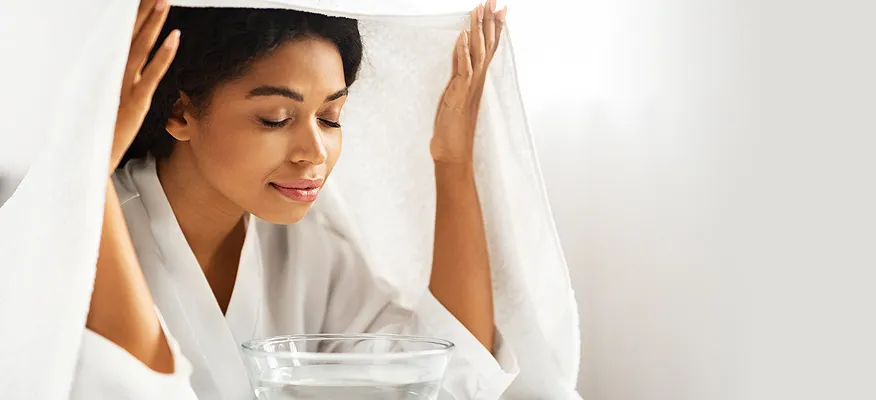
Facial steaming, a skincare technique involving exposure to warm steam, has gained massive popularity. Widely used in spas and home routines, it aids in deep cleansing by opening pores and softening the skin.
The warmth promotes blood circulation, enhancing skin health and radiance. Additionally, it offers a relaxing experience, relieving stress and aiding product absorption. For those with congestion, it provides relief by clearing nasal passages.
What Is Facial Steaming, And How Does It Work?
Doing a DIY face steam involves allowing the face to take in warm, moist air, typically through steam, using boiled water or specialized devices. Beginning with a clean face, optional additives like herbs for face steaming or essential oils can be included in the steaming water.
Position the face over the steam, and create a tent with a towel to trap and direct the steam for 5-10 minutes. Following this steaming face routine, pat the face dry, and apply your skincare products for enhanced absorption.
The warm steam induces perspiration, softening the skin surface and facilitating pore opening. Dilated pores expel impurities like dirt and oil, contributing to clearer skin. The steam's circulation-promoting effect brings more oxygen and nutrients, resulting in a revitalized and healthier-looking complexion. Cultures like the Romans, Greeks, and traditional Eastern medicine recognized its skin benefits, and modern spas and professional treatments continue this practice.
Why Facial Steaming Is Important?
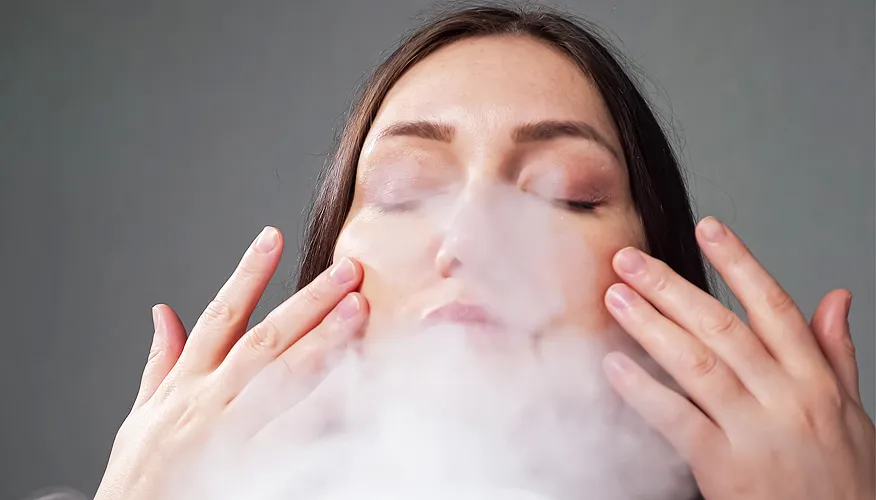
Facial steaming, a simple yet powerful skincare technique, has gained significant attention for its ability to enhance skin health and beauty. Not only does it help in removing impurities and dead skin cells, but it also boosts circulation, hydrates the skin, and prepares it for more effective absorption of skincare products.
Let’s check out the importance in detail to understand the benefits of steaming face.
Deep Cleansing
Steaming face for acne opens up pores and softens the skin, making it easier to remove impurities such as dirt, oil, and dead skin cells. It also reduces blackheads and whiteheads.
Improved Circulation
The warmth from steaming face everyday promotes blood circulation to the skin. Enhanced blood flow brings more oxygen and nutrients to the skin cells, contributing to improved skin health and a glowing appearance. If you’re looking to increase the glow, then turmeric steam for face benefits also include a vibrant post-steam face.
Product Absorption
By opening up the pores, skincare products applied afterward are absorbed more effectively. This maximizes the benefits of serums, moisturizers, and other items. Be it the best face mask after steaming or your ideal toner and face cream combo, it all sits in much better.
Relaxation and Stress Relief
This process is also a relaxing and soothing experience. The warmth in a face with steam from nose helps relieve stress, relax facial muscles, and creates a spa-like atmosphere leading to a refreshing feeling. Even using essential oils for face steam helps with this process.
Congestion Relief
For individuals with sinus congestion or respiratory issues, exposing the face with steam from nose can offer relief by helping to clear nasal passages and ease breathing.
Specific Customized Treatments
You can look to customize your experience by incorporating skincare-friendly additives such as herbs, essential oils, or other ingredients. There are multiple benefits of steaming face with lemon for acne prone skin and turmeric steam for face benefits include a more glistening and healthy look. This can address specific skincare concerns or provide additional relaxation benefits.
What Does Steaming Do For Your Skin?
Steaming face everyday comes with multiple advantages that are great for skin health.
- Steaming face before exfoliating opens up pores, facilitating the removal of dirt, oil, and dead skin cells.
- Enhances blood circulation, and delivers more oxygen and nutrients.
- Releases acne-causing bacteria and cells, reducing the risk of breakouts and acne development.
- Aids in releasing trapped sebum, contributing to minimizing blackheads and whiteheads.
- Hydrates the skin.
- Allows for better absorption of skincare products.
- Promotes the production of collagen and elastin, vital for skin elasticity.
- Relaxes facial muscles, providing a calming experience.
- Helps clear nasal passages.
What Are The Benefits Of Steaming Face?
There are many benefits of steaming face.
- Some of the benefits of steaming face with lemon or just otherwise also include skin hydration and a softer texture, making it particularly beneficial for individuals with dry or dehydrated skin.
- Regular steaming can improve the skin's ability to retain moisture, leading to a consistently moisturized and plump face. One can also consider using steam for face glow, which is a direct benefit of the process.
It deeply cleanses pores, prevents acne by removing acne-causing bacteria, and also reduces the likelihood of blackheads and whiteheads. One is guaranteed a calming and soothing experience, reducing stress and tension as the warmth of the steam relaxes facial muscles. Furthermore, steaming aids in detoxification by inducing perspiration, eliminating toxins through open pores, supporting clearer and healthier skin, and contributing to a more balanced and refreshed appearance.
Methods: How To Steam Face?
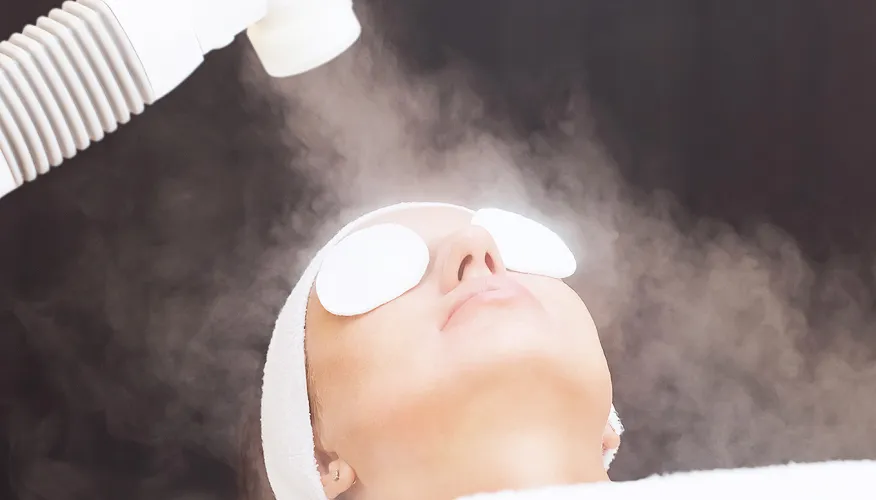
Let’s get down to business. Face steam at home ingredients are fairly simple to gather. Bring together a dedicated facial steamer for controlled steam, hot water if using a bowl or sink, a clean towel to create a steam-trapping tent, and optional additives like herbs or essential oils.
When selecting tools, prioritize a quality facial steamer with adjustable settings, a heat-resistant bowl or sink if using hot water, and a clean, absorbent towel.
Wondering how to start and what to do after steaming face?
- Begin with a clean face to remove makeup and impurities.
- Set up your chosen steaming tools, and add in skin-friendly ingredients like lemon, herbs, oils, or turmeric to the water, if you wish.
- Create a steam-trapping tent with a towel, and lean in.
- Steam for 5-10 minutes, and don’t bring your face too close to the warming surface.
- Once you’re done, simply pat your face dry, apply your regular skincare products, and that’s it. If you’re looking to pamper yourself, clay face masks are one of the best face mask after steaming that you can go for.
How Can Facial Steaming Be Integrated Into A Daily Skincare Routine?
Choosing the optimal time for facial steaming depends on individual preferences and skincare needs. Some prefer morning steaming for a refreshing start, invigorating the skin and enhancing blood circulation for a vibrant complexion.
Alternatively, herbs for face steaming in the evening provides a relaxing way to unwind, eliminating daily stress, and preparing the skin for nighttime. Regardless of the chosen time, consistency is key to align with your routine.
Follow a gentle pre-steaming routine by cleansing, optionally exfoliating, and considering skincare-friendly additives.
After steaming, pat your face dry, apply skincare, and finish with sunscreen in the morning for UV protection, or a nourishing night cream during nighttime. This integrated approach ensures that facial steaming becomes a seamless and beneficial part of your daily skincare ritual.
How To Choose The Best Base For Steaming Your Face?
To get the best benefits of steaming face use plain water as the base for facial steaming. It is also accessible and suitable for most skin types. Preferably opting for distilled or spring water over tap water minimizes impurity risks, providing a neutral base. This is a gentle option suitable for sensitive skin.
Take precautions like ensuring the water is clean and free from contaminants, avoiding extremely hot water to prevent irritation, and exercising caution to avoid oversteaming.
Additionally, when incorporating additives like lemon, saltwater, or green tea, awareness of potential sensitivities or allergies is crucial. Patch-testing new ingredients and seeking advice from professionals for specific concerns always helps enhance your experience.
General Tips And Tricks
Some general tips and tricks that’ll help create a better steaming experience for you are ensuring that you have a clean face that’s better able to take in the steam.
- Make sure to set up your equipment and organize your oils and herbs in case you want to add them.
- During steaming, always maintain a safe distance to avoid burns, and keep your eyes closed. Take in slow, deep breaths, which will also help with relaxation. Pat your face dry once done to remove excess moisture, and apply products promptly.
- Don’t oversteam, and keep your sessions to about 5-10 minutes, unless you feel that your skin needs some adjusting. Regularly clean and disinfect your steamer, and frequently wash your face towels.
Possible Side Effects And Risks
Overusing facial steaming poses the risk of skin irritation and dryness, potentially stripping the skin of its natural oils and compromising the protective barrier, making it more susceptible to environmental aggressors.
For individuals with sensitive skin, caution is advised as the heat and moisture can exacerbate sensitivity, leading to redness, inflammation, or flare-ups of conditions like rosacea or eczema.
Those with sensitive skin should start with shorter sessions and lower temperatures, gradually increasing as their skin builds tolerance.
To prevent these risks, it's also crucial to test the steam's temperature, adjust the distance from the source, avoid boiling water, and opt for controlled, warm steam. Being mindful of skin reactions and ceasing steaming if discomfort or redness occurs is essential.
Conclusion
Thus, facial steaming offers various benefits which are great for skin health. To maximize these advantages, it is crucial to encourage safe and mindful use of facial steaming.
Tailoring the frequency, duration, and temperature of facial steaming based on individual needs ensures an effective skincare routine. By incorporating steaming into your daily skincare ritual, you’ll be welcoming more hydrated, vibrant skin that’s here to stay.
Frequently Asked Questions
While steaming your face occasionally can be beneficial for skincare, daily steaming may not be suitable for everyone, potentially causing dryness, irritation, or other issues, especially for those with sensitive or dry skin. However, oily or combination skin may tolerate more frequent steaming.
For oily or acne-prone skin, consider herbs like basil, neem, or mint for their antibacterial properties, and dilute tea tree oil to fight acne. For dry or sensitive skin, opt for soothing chamomile or calendula herbs and moisturizing lavender or rose oil. Alternatively, you can use lavender and rose petals or lemons for normal skin.
If you’re looking to do a steam facial at home, then you have to be mindful of the duration. The ideal duration for face steaming varies based on personal preference and skin sensitivity, typically ranging from 5 to 10 minutes. It's crucial to observe skin reactions and reduce steaming time or frequency if irritation occurs.
Some choose steaming face before exfoliating for opening pores, facilitating impurity removal. Others steam after cleansing to enhance product absorption and for relaxation. Adjust the frequency based on your skin type and response.
Approach steaming face for acne with caution to avoid potential irritation or worsening of acne. Begin with once a week and, if tolerated well, consider increasing to twice a week. Keep each session short (5 to 10 minutes) to prevent overstimulation, and prioritize regular, moderate steaming over infrequent intense sessions.
Steam offers several potential benefits for the face, including opening pores, improving circulation, enhancing product absorption, providing relaxation, and relieving sinus congestion. It is good for the face and keeps it healthy and refreshed.
Steaming your face is a beneficial step in skincare to soften the skin, open pores, and aid in blackhead removal. Exfoliate and then steam face for better blackhead removal; you can use tools to help you with this as well.
Steam facial steps with household items is super easy. Gather a bowl, lukewarm water, and a towel. Create a steam tent by draping a towel over your head and the bowl, and that’s it. Make sure that you are not steaming your face with hot water and let it cool first. Steam your face for 5 to 10 minutes, adjusting the distance as needed.
The frequency of face steaming varies based on factors such as skin type and concerns. For oily or acne-prone skin, steaming can be done 1 to 2 times per week. Individuals with dry or sensitive skin should steam less frequently.

Dr. Stefanenko Irina Borisovna
Dr. Stefanenko Irina Borisovna Is a medical doctor based out of Ukraine. Dr. Borisovna graduated from the Vinnitsa State Medical University, in 1995. In between 1995-2000, Dr. Borisovna went on to further pursue her post graduation studying scientific activity from the Vinnytsa Medical University in Ukraine.
Did you like our Article?
Excited
0
Happy
0
Not Sure
0
Silly
0
Our team of experts frequently monitors developments in the health and wellness field, and we update our articles when new information becomes available.
Current Version
Feb, 19 2024
Written By
Dr. Stefanenko Irina Borisovna


Leave a Comment