
Are You Aware Of Which Toxic Skincare Ingredients To Avoid?
Key Highlights
- All the skincare products that you use like cleansers, moisturizers, serums, sunscreen, toner, eye cream, and face mask, contains artificial additives-fragrances, colors, preservatives, stabilisers etc. that make the product stable and appear to be superior quality.
- Skin has high absorption and the more cosmetics, and chemical-laden skincare products you use, the more ill effects are observed.
- Some are added as binding agents, solvents and preservatives that help in the shelf life elongation.
- Identifying these toxic ingredients ensures that you choose a better option for your skin, without damaging your skin or overall health.
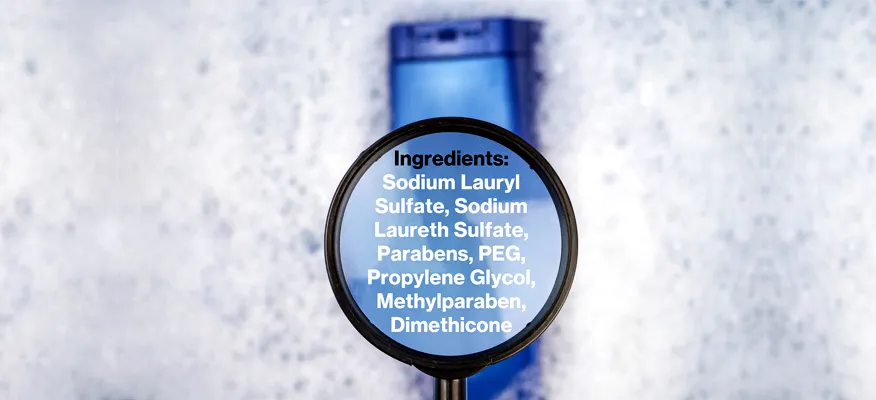
Healthy, glowing skin is on everyone’s wishlist. To get that soft, dewy, glass-like skin, you will be ready to try on numerous skin care products seen in that flashy ads or star products available in the market.
You would read the labels to check the ingredients list for the availability of beneficial ingredients in the product. But what about the toxic skincare ingredients to avoid? Did you ever glance upon the umpteen ingredients to check on bad ingredients for skin in skincare products? If not, it is time to do so!
Since 2009, 595 cosmetics manufacturers have reported using 88 chemicals, in more than 73,000 products, that have been linked to cancer, birth defects or reproductive harm. Shocking, isn’t it? All those cleansers, moisturizers, serums, sunscreen, toner, eye cream, face mask etc. that you don for better skin care is the ‘beast in disguise’.
Skin is the largest organ of the body. It contains nerve endings, hair follicles, pores, blood vessels and sweat glands. The more cosmetics you use, the more the chances of exposure to ingredients bad for the skin. Metals that are part of cosmetic formulations can get absorbed through the skin, accumulate inside the body, and cause harm to internal organs.
But all these chemical names are a tad bit confusing to distinguish. So, we are here to help you with it. We will break down the toxic skincare ingredients to avoid present in the skincare products and their potential danger to your skin so that you can steer clear of such products the next time you use them.
Know what’s hiding in your skincare products

- The cosmetics include moisturizers, shampoos, toothpaste, deodorants, hair color products, fingernail polishes, perfumes etc. that are either rubbed, sprayed, or poured onto the skin.
- The skin has high absorption, so what you put on the skin can be absorbed into the system and affect the overall health.
- Toxic ingredients in skincare can trigger skin sensitivity, irritation and intense skin allergy.
- The symptoms such as redness, itching, burning, blisters, scaling, skin roughness etc. appear soon after the application of the products with ingredients not good for the skin.
- Other major issues include cancer, cardiovascular disease, developmental issues, hormone disruption, infertility etc.
- Many cancer-causing agents such as Perfluorooctanoic acid (PFOA) and perfluorooctane sulfonate (PFOS) are part of a large group of lab-made chemicals known as perfluoroalkyl and poly-fluoroalkyl substances (PFAS). They do not break down easily and stay in the environment and human body for long, thus getting their name as “forever chemicals”. Trace levels of PFAS are added to cosmetics to condition and smooth the skin or for product consistency and texture.
- Contrary to popular belief, cosmetics are not being tested by FDA. Regulations do exist but they only test if there is any issue or complaint. The FDA doesn’t pre-approve cosmetics or ingredients unless it’s a color additive.
- Always read the label, some of the ingredients are known harmful ingredients in skincare. Watch out for the ingredients to avoid in skincare products to reduce or limit your exposure to these harmful chemicals.
Common toxic ingredients to avoid in skincare products

The convenience of using cosmetic products in packages pushes everyone to buy these products and store them. But to prolong its shelf life a lot of preservatives, stabilizers etc. are added. These harmful skincare ingredients are being used on the skin daily, day and night in the name of skincare.
Being aware of such toxic skincare ingredients to avoid is the only way out. Here are some common toxic ingredients in skincare products:
1. Parabens
- These are preservatives often used in cosmetics to prevent the growth of bacteria and mold and increase their shelf life.
- The most commonly parabens used in cosmetics are methylparaben, propylparaben, butylparaben, and ethylparaben.
- Parabens can enter the systemic circulation via oral intake or by transdermal penetration, which was confirmed by the detection of systemic paraben concentrations upon exposure to these compounds.
- It is widely found in shampoos shaving gels, creams makeup and even your toothpaste.
- They have been linked to hormone disruption and potential health risks such as skin irritations and harm to the reproductive system.
- However, FDA says- at this time, we do not have information showing that parabens as they are used in cosmetics affect human health.
2. Phthalates
- Phthalates are often used in cosmetics to enhance the texture and scent of products.
- They are used as binding agents, solvents and preservatives in products like hair sprays, perfumes, deodorants, shampoos, gels and lotions.
- Phthalates may induce alterations in puberty, the development of testicular dysgenesis syndrome, cancer, and fertility disorders in both males and females.
- Read the labels and look for a phthalate-free products list that says “no phthalates” or “phthalate-free cosmetics.”
- EPA is adding eight phthalates to its “Chemicals of Concern” list.
3. Formaldehyde and Formaldehyde-releasing preservatives
- These are used as preservatives and are known allergens causing eye irritations, wheezing, headaches, sore throat, nausea, skin rashes and irritation and are potential carcinogens.
- Exposure to formaldehyde from different sources can induce heart diseases such as arrhythmia, myocardial infarction (MI), heart failure (HF) and atherosclerosis (AS).
- It is known as formalin and methylene glycol and can be found in hair-smoothing products, nail polish, eyelash glue, hair serums, foundations and mists.
- Formaldehyde-releasing preservatives are used to prevent the formation of bacteria.
- Formaldehyde in skincare is usually found in other names such as DMDM hydantoin, polyoxymethylene urea, diazolidinyl urea, bromopol, imidazolidinyl urea, glyoxal, methenamine, quaternium-15, and sodium hydroxymethylglycinate.
4. Synthetic Fragrances
- Fragrances are something which most enjoys, but they can contain a mixture of potentially harmful chemicals.
- Synthetic or natural, fragrances can trigger allergies, asthma and rashes.
- Look for products that are fragrance-free or use natural essential oils for scent.
5. Sodium Lauryl Sulfate (SLS) and Sodium Laureth Sulfate (SLES)
- These are commonly used as foaming agents in cleansers like laundry detergents, spray cleaners, dishwasher detergents and shampoos.
- Sodium laureth sulfate (SLES) is a milder surfactant with a similar chemical formula to that of SLS and is less irritating than SLS.
- Ingredients bad for sensitive skin can be harsh on the skin and irritate, so look out for the concentration of SLS in products. It shouldn’t exceed 1 per cent concentration of SLS.
6. Mineral Oil and Petrolatum
- These are derived from petroleum and can clog pores, leading to breakouts. They create a barrier on the skin that may interfere with the skin's natural processes.
- Petrolatum in unrefined form can contain toxic chemicals called polycyclic aromatic hydrocarbons (PAHs).In some cases, it can pass through the skin.
- Scientists consider several of the PAHs and some specific mixtures to be cancer-causing chemicals.
- If you need it, always choose the triple-distilled, purified product to avoid any contamination.
7. Triclosan
- This is often found in antibacterial products such as cleansers and gels, face scrubs, masks, anti-bacterial hand lotions, sanitisers, wipes etc.
- It has been linked to hormone disruption and concerns about antibiotic resistance.
- The FDA has declared that triclosan in certain over-the-counter healthcare antiseptic products is not generally recognized as safe and effective due to insufficient data.
8. Oxybenzone
- Sunscreen is an armour against cancer-causing UV rays. It even has to be reapplied every 2 hours for maximum protection. Bad sunscreen ingredients can cause severe effects as it is more frequently used among the skincare products.
- Oxybenzone is a common chemical sunscreen ingredient linked to allergies, hormonal disruptions and potential ecological damage.
- Oxybenzone (BP-3) and octinoxate (OMC) are two common dangerous ingredients in sunscreen that are also known to have endocrine-disrupting potential and can penetrate through the skin and enter the systemic circulation.
- Use mineral or physical sunscreens which contain titanium dioxide or zinc oxide that protect you by deflecting the sunlight instead of using toxic sunscreen ingredients.
9. Coal Tar
- Found in products like psoriasis shampoos and psoriasis treatments such as solutions that you add to a bath, foams, shampoos, and ointments.
- It makes your skin more sensitive to ultraviolet (UV) light, making it one of the skincare ingredients to avoid for sensitive skin.
- An ingredient of coal tar hair dyes called p-Phenylenediamine, or PPD has been known to cause allergic reactions.
Common skincare products and the toxic skincare ingredients to avoid
Skincare is inevitable for healthy and glowing skin that makes you shine bright. When looking to avoid toxic skincare ingredients, it's important to prioritize your skin's health and safety.
Let us now explore the common skincare products and the toxic skincare ingredients to avoid.
1. Cleanser
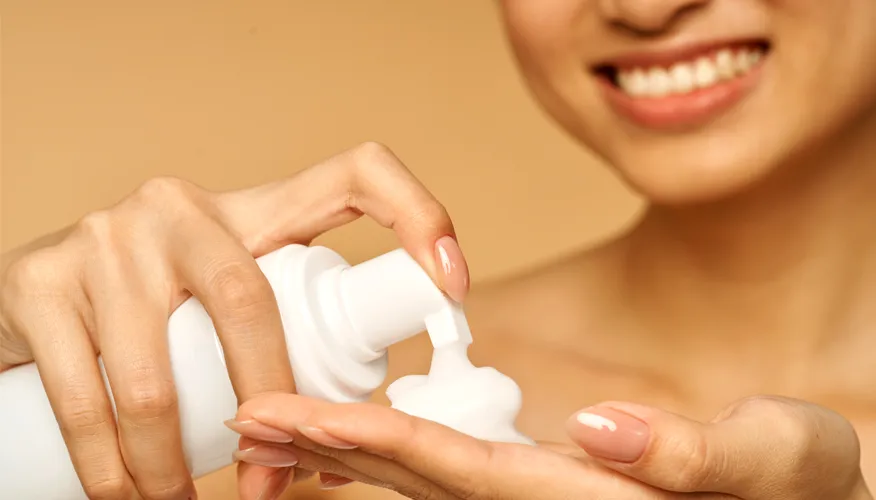
- Cleansing is the first and basic step in the skincare routine. Ridding your skin of pollution buildup, and removing dead cells save your skin from acne, dullness, free radical damage premature damage, a cleanser helps your skin to be healthy and radiant.
- A squeaky clean face can take in the rest of your skincare products well into the skin and work its magic.
- Some toxic ingredients commonly found in cleansers that you might want to avoid are
- Fragrances: These harmful chemicals added into the product for enhancing the smell or neutralising or mask the odors of other ingredients, can irritate the skin and trigger allergies.
- Sodium lauryl sulfate (SLS) and Sodium laureth sulfate (SLES): These are the harsh foaming agents commonly found in the cleansers that can strip the skin of its natural oils and cause irritation, and dryness. Sodium laureth sulfate is bad for the skin because these irritate the skin barrier and are among the ingredients to avoid in skincare products.
- Identifying the skin type, and seeking advice from a dermatologist or skincare professional if you have specific concerns about any ingredients to avoid in skincare will help you to choose the right products.
2. Moisturizer
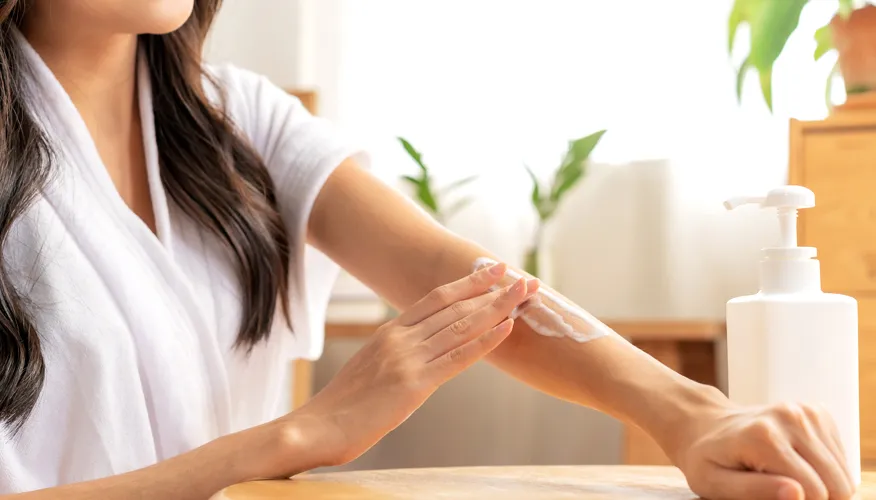
- Moisturisers treat or prevent dry, rough, scaly, itchy skin and minor skin irritations and an important step in the skincare routine.
- There are several forms of moisturisers available in the market such as face creams, body and facial moisturizers, lotions or ointments for dry, oily, combination, or sensitive skin.
- Bad ingredients for oily skin are colors, perfumes, antibacterial and comedogenic agents, alcohols etc.
- Lotions are mostly suited for oily skin. Lotion ingredients to avoid are
- Fragrances- Synthetic fragrances in moisturizers can cause skin irritation, allergies, and other sensitivities. The fragrance is bad for the skin and should be avoided.
- Mineral oil- These ingredients can be pore-clogging and occlusive, potentially leading to breakouts and skin issues.
- Parabens- These are used as preservatives and are linked to hormone disruption and potential health risks.
3. Sunscreen

- Sunscreen is unavoidable skincare routine as it prevents sunburn and premature aging, decreases the risk of skin cancer.
- It should be having UVA, broadspectrum, or multi-spectrum protection too.
- Bad sunscreen ingredients are
- Chemical UV filters- Chemical sunscreen ingredients to avoid are avobenzone, oxybenzone, octocrylene, and ecamsule. These are associated with hormone disruption as they may penetrate the skin and also cause potential ecological damage to coral reefs.
- Fragrances- Synthetic fragrances can cause skin irritation, allergies, and other sensitivities. Oil- and fragrance-free sunscreen is better.
- Retinyl palmitate- Retinyl palmitate in skincare helps reduce the signs of aging. Retinyl palmitate in sunscreen can break down in sunlight and potentially cause skin irritation. It is not a UV filter, so it's not an essential sunscreen ingredient.
4. Toner
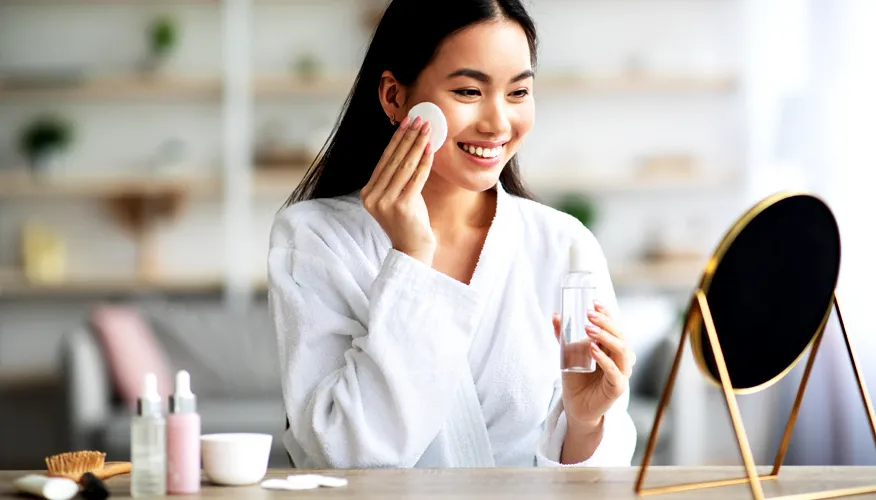
- Toners help to remove fine traces of oil, dirt, and makeup you may have missed when cleansing.
- Toner without alcohol and fragrance helps balance your skin’s pH to reduce oil production.
- Alcohol in high concentrations of alcohol can be drying and irritating to the skin, especially for those with sensitive or dry skin.
- Fragrances are skincare ingredients to avoid that cause irritation, allergies, and other sensitivities.
5. Serum
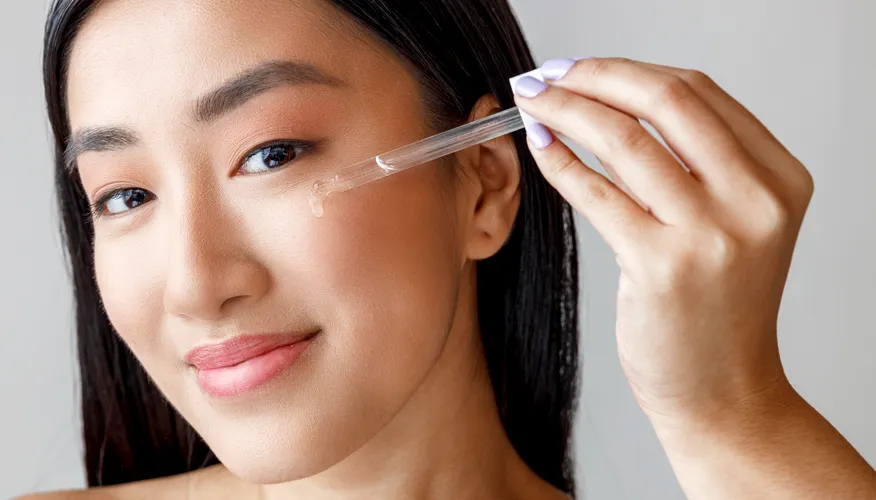
- Serum is water-based and the potent ingredients penetrate deeper in the skin, which can solve specific issues of the skin.
- It contains beneficial ingredients like antioxidants, peptides, hyaluronic acid, and vitamins.
- Toxic skincare ingredients to avoid in serums are fragrances and propylene glycol which cause skin irritation and sensitivity.
6. Eye Cream
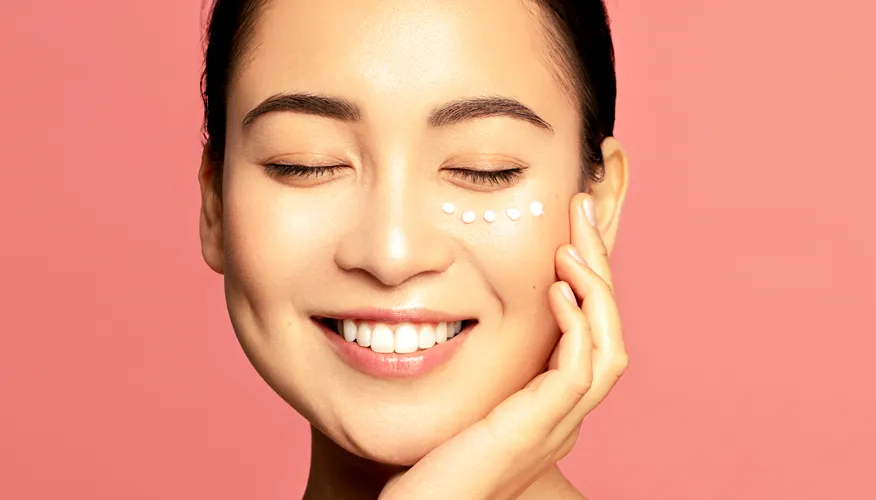
- Eye creams are thicker formulation that takes care of the delicate skin around the eye. It helps to reduce fine lines, wrinkles, puffiness and dark circles.
- It should be gentle, hydrating, and must have skin-soothing ingredients like hyaluronic acid, peptides, antioxidants, and vitamin C.
- Ingredients bad for sensitive skin like synthetic fragrances can cause skin irritation, and allergies, which can be especially problematic around the delicate eye area.
7. Face Mask
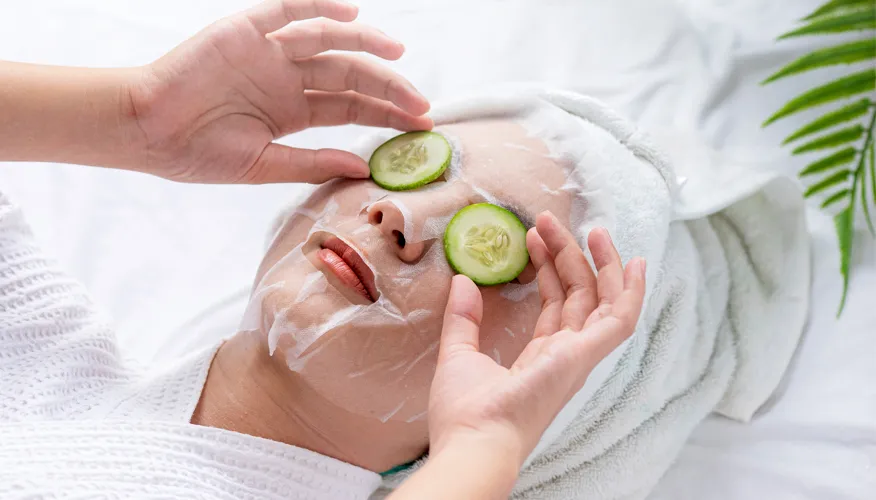
- Face masks are a convenient way of getting the potent skincare actives deeper into your skin in a much shorter amount of time.
- Ingredients not good for the skin in masks are- fragrances and artificial colorants because masks left on the skin for an extended period can increase the risk of irritation.
- Choose gentle, hydrating, hypoallergenic, fragrance-free, dye-free, paraben free and skin-soothing ingredients in sheet masks, peel-off masks, clay masks etc.
8. Exfoliator
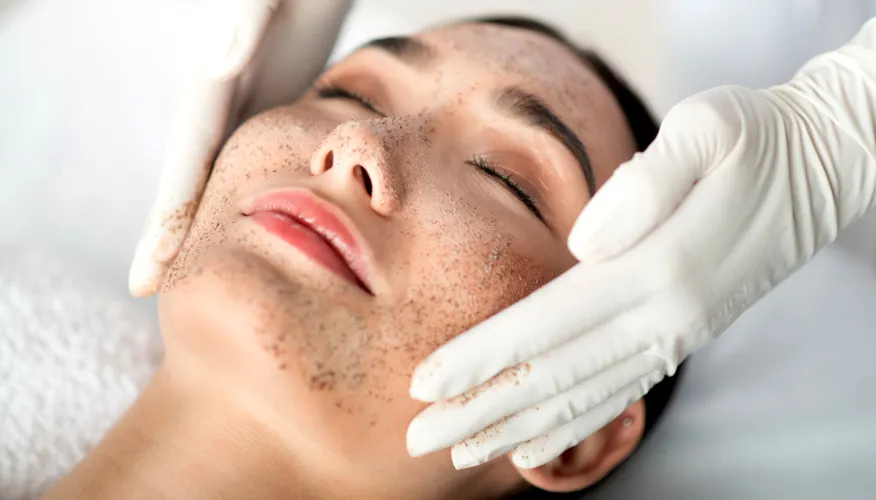
- The dead skin cells make the skin appear dull. A scrub or chemical exfoliant can clear them away and improve your skin's appearance.
- Physical exfoliators are dangerous beauty products that contain microbeads which are tiny plastic particles, harmful to the environment and marine life when they enter waterways.
- Instead try gentle exfoliating agents such as natural enzymes, mild AHAs like lactic acid, and mandelic acid at a low concentration, once a week.
Conclusion
Skincare ingredients should be carefully chosen, it should be free from potentially harmful ingredients or choose products from reputable brands that prioritize ingredient safety and transparency.
Toxic skincare ingredients to avoid can be easily found by reading the labels. Bad skin products will harm your skin barrier. Always choose alcohol and fragrance-free moisturizers to avoid damage to the skin.
We hope we could help you to outline how to identify toxic ingredients in skincare. Always do a patch test and make sure that your skin doesn’t react adversely. Always consult a dermatologist to get personalised recommendations and clarify doubts regarding the skincare suitable for your skin type.
Next time, you are near that shopping aisle remember to feed your skin clean products, to get that long-lasting healthy, hydrated and youthful skin.
Frequently Asked Questions
Yes, skincare products can still expire even if not opened. The shelf life is affected by factors such as the ingredients used, packaging, preservatives, and storage conditions.
Your fingers transfer bacteria and fungi that may cause your skincare to degrade faster. After the expiration date, the texture and color of your product may change. Sunlight, heat, air, temperature changes, and moisture cause the skincare products to break down faster. If not stored properly the preservatives in the skincare products break down and the oil base and the ingredients separate or dry out and become unusable. If you notice changes in color, consistency, smell, or texture it is better to discard it.
Silicones are generally safe in skincare unless there is any specific allergy concern. Many creams, moisturizers, antiperspirants, sunscreens, haircare products etc. contain silicone.
They are usually found in skincare under the names- dimethicone, Cyclopentasiloxane, Cyclomethicone, and Cetearyl methicone. It is usually added to skin care products to promote wound healing, locking in moisture, skin flexibility and smoothing the skin.
When pregnant, you should be careful in choosing skincare products. Toxic skincare ingredients to avoid are products that contain benzoyl peroxide, salicylic acid, or any of the retinoids. Also, chemical sunscreens with toxic sunscreen ingredients oxybenzone and avobenzone may be absorbed by the skin and could potentially affect the developing fetus.
Other harmful ingredients in skincare such as phthalates, formaldehyde, hydroquinone, parabens etc. also should be avoided. It is better to consult the dermatologist for safer recommendations.
Bad skin care products can cause an allergic reaction. In such cases, follow the below steps for recovery and preventing further damage:
- Discontinue using the product that you believe is causing the allergic reaction.
- Use a gentle, fragrance-free cleanser to cleanse your face and remove any traces of the problematic product.
- If your skin is red, itchy, or swollen, applying a cold compression help alleviate discomfort and reduce inflammation.
- Apply a hypoallergenic moisturizing cream to soothe skin.
- Stick to lukewarm or cool water when washing your face or taking a shower.
- Consult a healthcare provider, such as a dermatologist or allergist who can assess the situation and recommend the appropriate treatment.
Certain skincare ingredients can interact negatively when used together, potentially causing irritation, decreased effectiveness, or other unwanted side effects. Here are some toxic skincare ingredients combinations to avoid:
- Vitamin C and Alpha Hydroxy Acids (AHAs)
- Vitamin C and Retinoids (Retinol, Retin-A)
- Retinoids and Benzoyl Peroxide
- Niacinamide and Vitamin C
- Retinoids and Alpha Hydroxy Acids (AHAs)
- Benzoyl Peroxide and Salicylic Acid
- Chemical Exfoliants and Physical Exfoliants

GHBY Team
GHBY Team comprises content writers and content editors who specialise in health and lifestyle writing. Always on the lookout for new trends in the health and lifestyle space, Team GHBY follows an audience-first approach. This ensures they bring the latest in the health space to your fingertips, so you can stay ahead in your wellness game.
Did you like our Article?
Excited
0
Happy
0
Not Sure
0
Silly
0
Our team of experts frequently monitors developments in the health and wellness field, and we update our articles when new information becomes available.
Current Version
Sep, 12 2023
Written By
GHBY Team
Fact checked By
Dr. Sharmila Samararanayake


Leave a Comment