
10 Best Brain Exercises To Improve Memory And Concentration
Key Highlights
- Brain exercise to increase concentration like memory recall, mental math, and language learning significantly boost memory and concentration.
- Regular mental workouts stimulate neuroplasticity, maintaining an agile and healthy brain.
- These activities slow down age-related cognitive decline, helping maintain mental sharpness.
- Engaging in cognitive challenges reduces stress, alleviates anxiety, and boosts mood.
- Brain exercises improve learning ability, multitasking, and problem-solving skills.
- The exercises include practical activities such as cooking, drawing maps, and playing sports, catering to different interests and skills.
- Consistent practice builds cognitive reserve, protecting against neurological damage and maintaining function in later years.

In the world we live in, maintaining sharp memory and strong concentration skills is crucial for success in all spheres of life.
Whether you’re a student looking to enhance academic performance, a professional keen on staying ahead in your career, or an older adult eager to preserve cognitive health, exercises to improve memory and concentration can be incredibly beneficial. These activities are not just about mental gymnastics; they are about nurturing a healthy, vibrant brain capable of retaining information and focusing like a laser.
In this article, we explore 10 of the best brain exercises specifically designed to improve memory and concentration. From time-tested techniques to innovative modern methods, these exercises are both enjoyable and effective in boosting your cognitive abilities.
What are brain exercises?
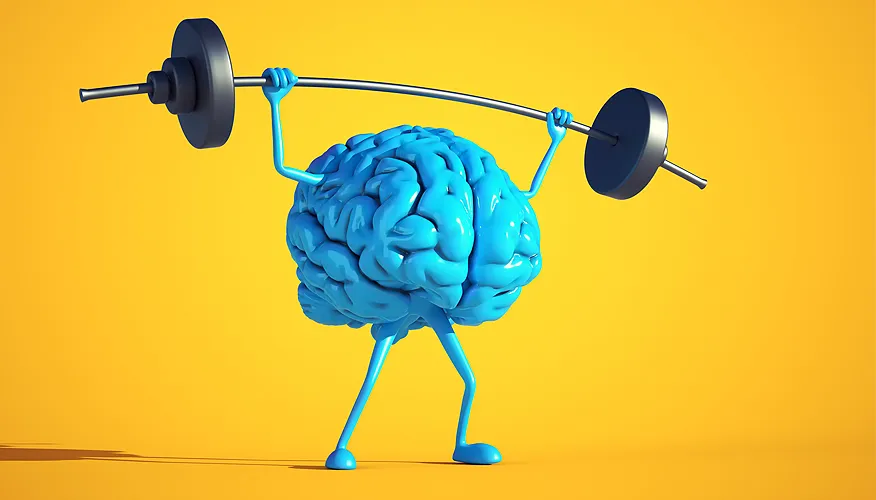
Brain exercises to improve memory and concentration are more than just mental acrobatics. They're a series of targeted activities designed to strengthen and enhance the brain's ability to process, remember, and reason.
The concept hinges on the brain’s remarkable adaptability – its neuroplasticity – which allows it to form new connections and pathways when challenged and stimulated. Engaging in these exercises consistently can lead to improvements in various cognitive abilities and overall brain health.
Why is it important to exercise your brain for memory and concentration?
Exercises to improve memory and concentration is important for several reasons, crucial for both short-term functioning and long-term cognitive health:
Cognitive abilities
- Brain exercises to increase concentration enhance key cognitive abilities, including memory and concentration.
- A sharper memory facilitates better information recall, crucial for learning and decision-making.
- Improved concentration enables a more focused approach to tasks, reducing susceptibility to distractions, and thus elevating productivity and the quality of tasks completed.
- These enhanced abilities are fundamental for academic success, professional development, and effective daily life management.
Supports brain health
- Engaging in memory training exercises stimulates the brain, promoting neuroplasticity.
- This stimulation helps in the development and strengthening of neural connections, crucial for maintaining a healthy and agile brain.
- Regular mental exercises ensure that the brain's neural networks remain active and flexible, which is key to adapting to new challenges and learning new skills.
Improves learning ability
- An exercised brain is more equipped for learning and absorbing new information.
- Regular cognitive challenges enhance the brain's ability to process, understand, and remember new material, which is essential in educational settings and for staying competitive in professional environments.
- This ongoing learning capability is a key component of personal and professional growth.
Enhances multitasking and problem-solving skills
- Regular brain training improves the ability to multitask effectively and solve problems more innovatively and efficiently.
- This improvement is due to the increased speed and accuracy with which a well-exercised brain can process information.
- Such skills are invaluable in navigating complex situations in both personal and professional spheres, where quick thinking and the ability to juggle multiple tasks are often required.
Promotes Long-term Brain Health and Resilience
- Consistent mental workouts contribute to building a cognitive reserve – the brain's resilience to neurological damage due to aging or other factors.
- This reserve is like a buffer, helping to maintain cognitive function longer despite potential brain changes.
- Building this cognitive reserve is akin to creating a "savings account" of brainpower, offering protection and maintaining functionality in later years.
Best Brain Exercises to improve memory and concentration

Wondering how to improve concentration and memory while studying? Well, each type of brain exercises to improve memory and concentration offers unique benefits and works in distinct ways to enhance various cognitive functions.
Here are some major exercises or games to improve your memory:
Practicing Recall with Lists
- This exercise involves memorizing various items in a list and then trying to recall them later. It can start with simple lists like groceries and extend to more complex ones such as historical facts or vocabulary words.
- The practice is a blend of memory training and concentration, as it requires focusing on individual items while retaining the sequence or group.
- This exercise is particularly effective in enhancing both short-term and long-term memory, as it trains the brain to hold onto information and retrieve it when needed.
Learning to Play a Musical Instrument or Joining a Choir
- Learning to play a musical instrument or singing in a choir engages several areas of the brain simultaneously.
- It’s not just about learning notes or rhythms; it involves reading music, understanding melody and harmony, and coordinating hand (or voice) movements.
- Moreover, it’s an exercise in discipline and focus, requiring regular practice and concentration, which further enhances cognitive abilities.
Performing Mental Math
- Performing mental math is about solving mathematical problems without the aid of a calculator or pen and paper. This could be as simple as calculating a tip at a restaurant or as complex as solving algebraic equations in your head.
- It’s an excellent way to stimulate the brain’s numerical and logical processing abilities. By regularly practicing mental math, you enhance your numerical skills, memory, and even improve your ability to concentrate under pressure.
Cooking New Recipes
- Cooking new recipes is a multifaceted brain exercise. It involves reading and understanding the recipe, measuring ingredients, timing various cooking stages, and often multitasking in the kitchen.
- This exercise stimulates your memory (especially if you try to remember the recipe steps without constant checking), enhances your sensory skills (as you smell, taste, and touch ingredients), and improves your attention to detail.
Learning a New Language
- The process of learning a new language is a comprehensive cognitive workout. It involves memorizing vocabulary, understanding grammar, practicing pronunciation, and often, deciphering a new writing system.
- This exercise challenges the brain to form new language networks, enhancing memory, attention, and even problem-solving skills, as you often have to translate thoughts and ideas from one language to another.
Creating Word Pictures
- Creating word pictures involves visualizing a word or a concept as a detailed image or scene. This might involve linking a hard-to-remember term with a vivid image or story.
- This technique taps into both verbal and visual memory skills, enhancing your ability to remember information by creating memorable and unique associations.
Drawing Maps from Memory
- This exercise involves visualizing and then drawing a map from memory, such as a map of your neighborhood or the route you take to work. It’s an effective way to boost spatial intelligence and memory.
- This exercise challenges your ability to recall details and spatial relationships, enhancing your overall spatial and visual memory capabilities.
Challenging Your Taste Buds
- Challenging your taste buds is about trying to identify specific ingredients in a dish or various nuances of flavors and textures.
- This activity not only enhances your sensory experience but also stimulates your memory, especially your sensory memory, and attention to detail.
- It can be a fun and delicious way to exercise your brain!
Engaging in Activities that Refine Hand-Eye Coordination
- Activities that require precise hand-eye coordination, like juggling, playing table tennis, or even intricate crafts, are excellent for the brain.
- These activities not only improve your physical coordination but also require concentration, timing, and spatial awareness, all of which are beneficial for cognitive health.
Learning New Sports
- Learning a new sport involves understanding the rules, developing skills, and often strategizing. This process not only enhances physical fitness but also stimulates the brain.
- It requires learning new movements, anticipating actions, and making quick decisions, all of which contribute to better cognitive function, especially in areas like memory, concentration, and strategic planning.
How brain exercises improve cognitive function

Brain exercises or mind-training games improve cognitive function in several key ways, effectively enhancing the brain's ability to process, recall, and utilize information. Here's a closer look at how exercises to improve memory and concentration contribute to cognitive enhancement:
- Enhancing Memory: Brain exercises that focus on memory, such as puzzles or recall activities, strengthen the neural pathways involved in memory storage and retrieval. Regular mental workouts improve both memory recall and retention by stimulating the hippocampus, the brain region associated with forming and retrieving memories.
- Boosting Concentration: Activities that require sustained attention and focus, such as reading, complex problem-solving, or strategic games, train the brain to concentrate more effectively. These tasks minimize susceptibility to distractions, enhancing the brain's ability to maintain focus over extended periods.
- Improving Problem-Solving Skills: Frequently tackling complex problems or puzzles enhances the brain's problem-solving abilities. This involves critical thinking, logic, and creativity, skills that are crucial for navigating daily challenges. By regularly engaging in activities that require these skills, the brain becomes more adept at finding solutions and can approach problems from various angles.
- Preventing Cognitive Decline: Regularly engaging in brain exercises has been shown to help delay or even prevent cognitive decline associated with aging. By keeping the brain active and challenged, these exercises contribute to maintaining cognitive health and may reduce the risk of age-related cognitive impairments.
Conclusion
The best brain exercises to improve memory and concentration offer diverse benefits. From enhancing cognitive abilities and supporting brain health to boosting mental well-being and improving learning skills, these exercises play a crucial role in maintaining cognitive function.
They include activities like practicing recall with lists, learning musical instruments, performing mental math, cooking new recipes, learning new languages, creating word pictures, drawing maps from memory, challenging taste buds, refining hand-eye coordination, and learning new sports.
Each exercise uniquely stimulates the brain, promoting neuroplasticity and cognitive resilience, essential for a sharp and agile mind. Engaging regularly in these activities can significantly enhance memory learning and improve concentration, proving beneficial for overall mental health and quality of life.
Frequently Asked Questions
Playing Sudoku regularly can aid memory improvement. It engages the brain in pattern recognition and logical thinking, activities that stimulate cognitive functions closely related to memory. This kind of mental exercise helps in keeping the brain active, enhancing its ability to remember and process information.
To enhance visual memory, one can engage in activities that involve visual observation and recall, like observing details in a scene and later attempting to remember them, or playing memory games that focus on visual elements. Consistent practice in these activities can strengthen the brain's ability to store and retrieve visual information.
Reading nurtures concentration by requiring focused attention over extended periods. This process of deeply engaging with text improves mental discipline and the ability to concentrate. Regular reading not only enhances concentration skills but also develops the capacity to maintain focus on other tasks.
Staying focused can be improved by organizing tasks into manageable sections, minimizing distractions, practicing mindfulness to enhance present-moment awareness, and taking regular breaks to avoid mental fatigue. Establishing a conducive environment and maintaining a healthy lifestyle also support sustained focus.
Brain exercises help maintain cognitive functions and prevent decline. They stimulate neuroplasticity, allowing the brain to adapt and form new connections. This stimulation is vital for memory, problem-solving skills, and overall mental agility, contributing to healthier brain function as we age.
Yes, brain exercises can significantly improve memory and concentration in older adults. They keep the brain engaged and active, which is crucial for maintaining cognitive abilities and slowing down age-related cognitive decline, thus promoting a sharper and more focused mind even in later years.
Simple daily brain exercises include solving puzzles like crosswords or Sudoku, engaging in regular reading, learning new skills or languages, practicing mindfulness or meditation, and physical activities like yoga or dance that require coordination. These activities are easy to integrate into daily life and are beneficial for brain health.
The timeframe for exercise to impact memory varies among individuals, but some studies suggest noticeable improvements can occur within a few weeks to months of regular mental exercise. The key is consistency, as regular engagement in cognitive activities is essential for sustained memory enhancement.
Foods that are particularly beneficial for the brain and memory include those rich in omega-3 fatty acids (like fish and nuts), antioxidants (found in berries and dark chocolate), and vital nutrients (such as green leafy vegetables and whole grains). These foods support brain health by enhancing memory function and cognitive abilities.
Sleep is crucial for memory and cognition as it aids in consolidating memories and processing new information. Quality sleep allows the brain to rest and rejuvenate, essential for learning and memory retention. It also plays a role in cognitive restoration and the removal of brain toxins, further supporting cognitive health.

Dr. Pulyk Nataliya Omelanivna
Dr. Pulyk Nataliya Omelanivna is an Internal Medical Expert who is based out of Ukraine. With a special interest in internal medicine Dr Pulyk graduated from the Ternopil National Medical Academy in Ukraine, in the year 2001. Between the years 2002-2009, Dr Pulyk worked as an emergency physician. Her years of work as an emergency physician gave her immense exposure to a range of patients and an opportunity to learn on the job, and gather extensive experience.
Did you like our Article?
Excited
0
Happy
0
Not Sure
0
Silly
0
Our team of experts frequently monitors developments in the health and wellness field, and we update our articles when new information becomes available.
Current Version
May, 28 2024
Written By
Dr. Pulyk Nataliya Omelanivna


Leave a Comment