
Harmful Effects Of Fast Food On The Brain
Key Highlights
- Fast food negatively impacts memory, learning ability, and attention span, due to high sugars and unhealthy fats.
- High glycemic load in fast food causes mood swings, irritability, and symptoms of depression.
- Habitual consumption of fast food can accelerate neurodegenerative diseases and lead to cognitive decline.
- Lack of essential nutrients in fast food contributes to poor brain health and function.

Fast food, characterized by its high calorie, low nutrient profile, often contains excessive amounts of sugar, unhealthy fats, and salt. These ingredients, while enhancing taste, are linked to various negative effects on the brain.
Consumption of fast food can lead to imbalances in blood sugar levels, which may affect mood and energy levels. Additionally, diets high in unhealthy fats and sugars have been associated with impaired cognitive functions such as memory and learning ability.
Let’s dive deeper into the understanding of the effects of fast food on the brain.
Harmful effects of fast food on the brain
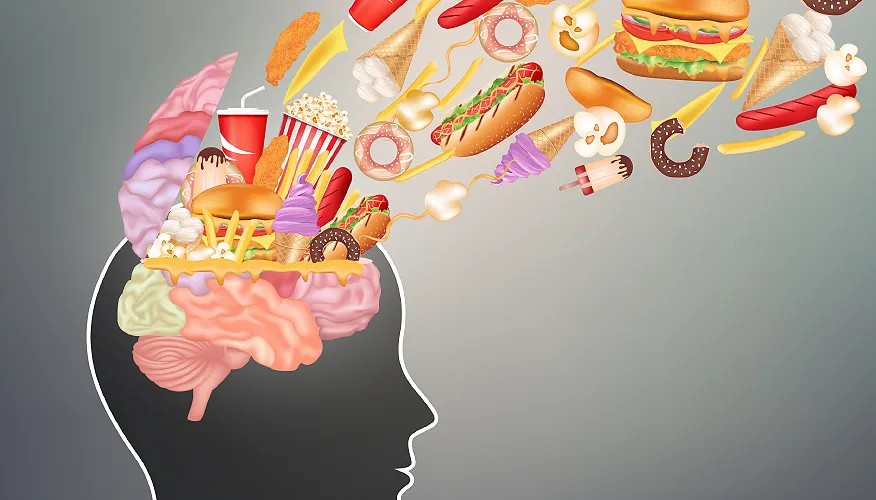
Short-term effect
Wondering how junk food affects the brain? Here the short-term effects:
Impaired cognitive function
- Trans fats and saturated fats, commonly found in fast food, can have a detrimental effect on brain function.
- These fats can lead to the formation of beta-amyloid plaques in the brain, a hallmark of Alzheimer’s disease.
- Even in the short-term, a diet high in such fats can impair the brain's ability to learn and form new memories.
- High sugar content also contributes to cognitive decline, even after single meals, affecting tasks that require attention, speed, and mood.
Mood swings
- Fast food’s high glycemic load can lead to rapid changes in blood sugar levels, affecting neurotransmitter regulation.
- This can cause mood swings, leading to irritability, anxiety, and even symptoms of depression.
- The psychological effect of consuming 'comfort foods' can also lead to a temporary uplift in mood, followed by a sharp decline as blood sugar levels drop.
Reduced attention span
- Diets high in refined sugars and carbohydrates, typical of fast food, can lead to a reduced ability to concentrate.
- This impact on attention span is particularly concerning in children and adolescents, whose developing brains are more susceptible to dietary influences.
- This can affect their academic performance and behavior, as the brain struggles to maintain focus and regulate emotions.
Fatigue
- While fast food can provide a quick energy boost due to its high-calorie content, this is often followed by a rapid decline in energy levels.
- The high sugar content leads to a quick surge of insulin, dropping blood sugar levels and leading to fatigue.
- This fatigue is not just physical; it also affects cognitive function, making it harder to focus and stay alert.
Long-term effects
Here’s how junk food affects your brain in the long run:
Increased Risk of Neurodegenerative Diseases
- Diets heavy in fast food, often lacking in essential nutrients, antioxidants, and healthy fats, are associated with increased oxidative stress and inflammation in the brain.
- This environment can accelerate the pathogenesis of neurodegenerative diseases like Alzheimer’s.
- The absence of protective nutrients like omega-3 fatty acids and vitamins in fast food may also contribute to neuronal damage, exacerbating these risks.
Cognitive Decline
- Fast food's high unhealthy fat and sugar content can lead to the buildup of amyloid plaques and neurofibrillary tangles in the brain, hallmarks of cognitive decline.
- Over time, these factors can impair synaptic function and neuroplasticity, leading to a reduction in cognitive faculties such as memory, attention, and processing speed.
- This decline is particularly concerning in older adults, who may already be experiencing age-related cognitive changes.
Brain structure alterations
- The lack of essential nutrients in fast food can impact neurogenesis, the process of forming new neurons, and affect the overall health of brain cells.
- With time, this can lead to alterations in brain structure, particularly in areas involved in memory, decision-making, and learning, like the hippocampus and prefrontal cortex.
- These structural changes can manifest as reduced cognitive abilities and altered emotional regulation.
Hormonal Imbalances
- Fast food, especially those high in sugars and trans fats, can disrupt the balance of hormones in the body, including those that regulate mood and cognitive function, such as serotonin and dopamine.
- These hormonal imbalances can impact mood regulation, contribute to feelings of depression and anxiety, and affect cognitive processes like attention and memory.
- Additionally, hormonal imbalances can influence appetite regulation, leading to overeating and associated health issues.
Mental health impacts of fast food
Still wondering, is junk food bad for your brain? Check the disadvantages of fast food on overall mental health:
Depression and anxiety
- Fast food, often lacking essential nutrients like omega-3 fatty acids, B vitamins, and antioxidants, can lead to deficiencies that exacerbate symptoms of depression and anxiety.
- These nutrients are crucial for maintaining brain health and regulating mood.
- Moreover, the quick highs and lows in blood sugar levels from high-glycemic fast food can contribute to mood swings and increase susceptibility to anxiety and depressive states.
Addictive behaviors
- The high levels of sugar, fat, and salt in fast foods activate the brain's reward system, releasing dopamine, a 'feel-good' neurotransmitter.
- This process can create a cycle of cravings and dependence, similar to addiction.
- Over time, this can lead to an unhealthy relationship with food, where one increasingly relies on the temporary pleasure provided by fast food, further entrenching addictive eating habits.
Stress response alteration
- Diets rich in fast food can lead to imbalances in gut health and inflammation, which are known to affect the brain and alter stress responses.
- When the body is under chronic dietary stress from consuming unhealthy foods, it may respond by producing more cortisol, a stress hormone.
- This increased cortisol can exacerbate feelings of anxiety and hinder the body's ability to manage stress effectively.
Impact on self-esteem and body image
- Fast food consumption is often linked with weight gain and obesity due to its high calorie and low nutrient content.
- This weight gain can affect one's self-esteem and body image, particularly in cultures where there is a significant emphasis on thinness or specific body standards.
- Poor body image is a known risk factor for developing mental health issues like depression and eating disorders.
Sleep disturbances
- The nutritional quality of fast food, which is often high in sugars and saturated fats and low in fiber and certain vitamins, can disrupt normal sleep patterns.
- Poor sleep, in turn, is linked to a range of mental health issues, including increased risk of depression, cognitive impairment, and anxiety disorders.
- Inadequate sleep can also impair judgment and decision-making abilities, which may perpetuate unhealthy eating habits.
What are the major impacts of junk foods on the teenage brain?
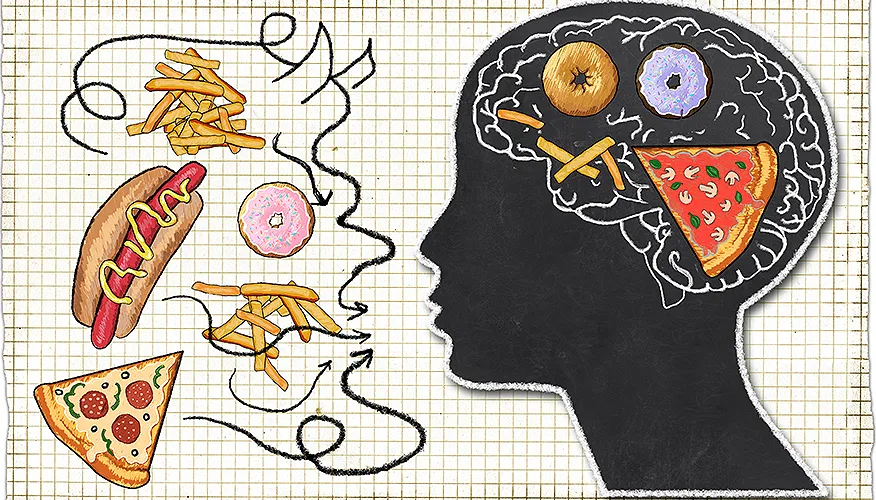
Junk food, often high in sugar, unhealthy fats, and additives while low in essential nutrients, can significantly impact the teenage brain, which is still in a crucial stage of development.
Here are some of the major effects of fast food on the brain:
Cognitive impairment
- Regular consumption of junk food, which often lacks essential vitamins, minerals, and antioxidants, can impair critical thinking, learning, and memory retention in teenagers.
- This impairment is due to the absence of crucial nutrients that support neural connections and brain function.
- Junk food effects on the brain also include fluctuations in glucose levels, affecting concentration and mental clarity.
Mood disorders
- Diets high in processed, high-sugar, and high-fat foods can disrupt the balance of gut bacteria, leading to gut inflammation, which is closely linked to mood disorders like depression and anxiety.
- Additionally, the lack of essential nutrients like omega-3 fatty acids can impact neurotransmitter functions, further contributing to mood instability and disorders.
Addictive eating patterns
- Junk foods are designed to be hyper-palatable, stimulating the brain's reward system and releasing dopamine, a neurotransmitter associated with pleasure.
- In teenagers, whose brains are still developing, this can create a preference for these foods, fostering habit-forming and potentially addictive eating behaviors.
Altered brain development
- The teenage brain is undergoing significant growth and restructuring, necessitating a diet rich in essential nutrients.
- Junk food, typically deficient in these nutrients, can hinder the development of critical brain areas, affecting cognitive abilities and emotional regulation.
Impaired academic performance
- The cognitive and mood-related effects of junk food can directly impact academic performance.
- Issues with attention span, memory, problem-solving abilities, and mood disturbances can all contribute to difficulties in learning, understanding, and academic achievement.
Increased risk of mental health issues
- Poor diet has been linked to an increased risk of several mental health conditions.
- For teenagers, a diet high in junk food can contribute to the development or exacerbation of conditions like ADHD, depression, and anxiety, particularly as their brains and bodies are still developing.
Sleep disruption
- The high sugar and caffeine content in many junk foods and beverages can disrupt sleep patterns, leading to insomnia or poor-quality sleep.
- Since sleep is crucial for cognitive function, mood regulation, and overall brain health, disturbances can have a significant impact on a teenager's well-being and development.
Hormonal imbalances
- The teenage years are a critical period for hormonal development.
- Junk food, often high in sugars and unhealthy fats, can disrupt the balance of hormones that regulate growth, metabolism, and brain function.
- This imbalance can affect physical growth, mood, and cognitive abilities.
Conclusion
The widespread consumption of fast food, while convenient and often gratifying, carries significant and concerning implications for brain health.
From the short-term effects such as mood swings and cognitive impairments to the more profound long-term risks including an increased likelihood of neurodegenerative diseases and mental health disorders, the effects of fast food on the brain are both varied and substantial.
Particularly alarming is the influence on the developing brains of teenagers, who may suffer from altered brain development, addictive eating patterns, and a range of mental health challenges as a result of a diet high in fast foods.
While occasional indulgence in fast food may not lead to immediate harm, habitual consumption can have lasting effects on cognitive functions, emotional well-being, and overall brain health. It serves as a potent reminder that what you eat affects your brain.
Frequently Asked Questions
Sugar can have a significant impact on the brain, including fluctuations in mood and energy levels. Excessive sugar intake can lead to a surge in blood glucose levels, resulting in a temporary boost in energy and mood. However, this is often followed by a rapid drop, causing fatigue and irritability. Long-term, high sugar intake may also contribute to inflammation and oxidative stress, impacting cognitive functions.
While ice cream isn't inherently bad for the brain, excessive consumption, particularly of varieties high in sugar and unhealthy fats, can negatively affect brain health. Similar to other sugary treats, ice cream can contribute to sugar highs and lows, impacting mood and cognitive function.
Foods rich in omega-3 fatty acids (like salmon and flaxseeds), antioxidants (found in berries and leafy greens), vitamins (such as B vitamins, vitamin E), and minerals (like zinc and iron) are excellent for brain health. These nutrients support cognitive functions, reduce inflammation, and aid in the maintenance of brain cells.
The stomach is often referred to as the "second brain" due to the enteric nervous system (ENS) it contains, which operates independently of the brain and spinal cord. The ENS plays a key role in digestion and has a significant impact on mood and emotional well-being due to its connection with the central nervous system.
Nutritional deficiencies can lead to a range of issues for the brain. Lack of essential nutrients can result in reduced cognitive abilities, poor mood regulation, and, in severe cases, structural changes in the brain. These deficiencies can impair brain function, affecting memory, concentration, and overall mental health.
High salt intake, common with fast food consumption, can lead to hypertension, which is a risk factor for cognitive decline and stroke. Excessive salt can also affect the body's neurological functions and contribute to inflammation and oxidative stress in the brain.
Yes, fast food, often high in unhealthy fats and sugars and low in essential nutrients, can negatively impact memory and learning. Such diets can affect brain plasticity and may impair cognitive functions essential for learning and memory retention.
There is evidence to suggest that diets high in unhealthy fats, sugar, and processed foods, like those found in many fast foods, can increase the risk of developing Alzheimer's disease. These diets can lead to obesity, inflammation, and insulin resistance, which are risk factors for Alzheimer's.
Avoiding fast food can lead to improvements in brain health, including enhanced cognitive functions, better mood regulation, and reduced risk of neurodegenerative diseases. A diet with reduced fast food intake often means higher consumption of essential nutrients beneficial for brain health.
Mitigating the effects involves reducing fast food intake, eating a balanced diet rich in fruits, vegetables, whole grains, and lean proteins, staying hydrated, and getting regular exercise. Mindful eating and portion control can also help, along with ensuring adequate sleep and stress management techniques.

Reshma Pathare
Reshma Kulkarni-Pathare has been a self-employed media professional since 1999. Starting off as a Freelance Journalist for Times of India Thane Plus, Reshma went onto write for more than 45 national and international publications including Times of India, New Woman, Femina, Indian Express, The Hindu, BBC Good Homes and many more. While her forte has been lifestyle writing, she is equally proficient in writing health articles. Her health articles have been published in Health International (Dubai), New Woman, Femina, and Mother & Baby.
Did you like our Article?
Excited
0
Happy
0
Not Sure
0
Silly
0
Our team of experts frequently monitors developments in the health and wellness field, and we update our articles when new information becomes available.
Current Version
May, 30 2024
Written By
Reshma Pathare


Leave a Comment