
What Is The Best Vitamin For Brain Fog?
Key Highlights
- Brain fog simply refers to the clouding or feeling of being dazed that a person experiences sometimes, which makes it difficult to make sense of things immediately
- It is not an irreversible or incurable condition, but rather a state that can be caused due to a variety of reasons
- The most crucial and the easiest way to deal with this condition is to fix one’s dietary habits and construct a well balanced and holistic day to day meal plan
- Exercising and giving yourself the room to breathe and process things well also helps clear things up

What is brain fog? Brain fog is a term used to describe a range of symptoms that make it challenging to think clearly or perform everyday tasks. These may include fatigue, difficulty concentrating, and forgetfulness.
Brain fog depression is another phenomenon that a lot of people are used to experiencing. This may involve a strong feeling of lethargy, tiredness, and irritation owing to one’s inability to think properly.
While brain fog is often associated with vitamin deficiencies, such as low levels of Vitamin B12, it can also be caused by a variety of other factors. Stress, lack of sleep, hormonal changes, and medical conditions such as fibromyalgia or chronic fatigue syndrome, can all contribute to feelings of mental fogginess.
Brain fog and probiotics are also related since the latter is known to cause one to feel blank or spaced out, as well as bloated.
Vitamins and brain health
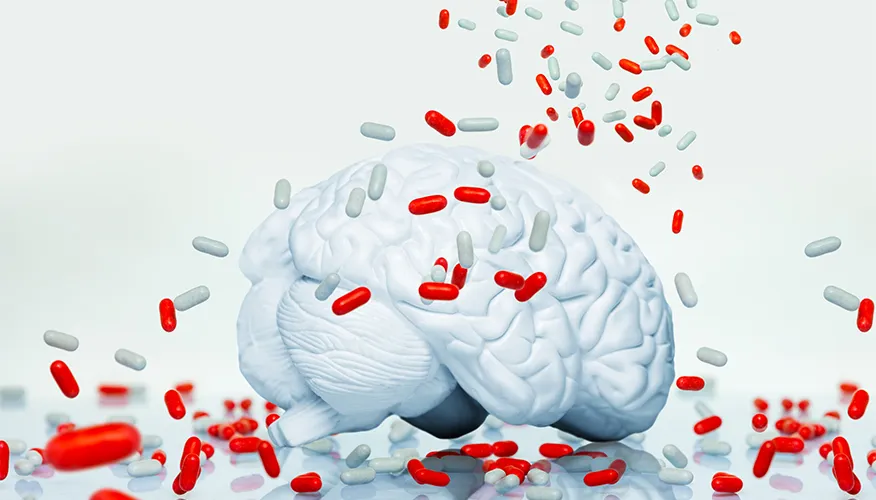
Vitamins are essential micronutrients that play a crucial role in maintaining brain function and general health.
The brain consumes a significant amount of the body’s energy and requires a constant supply of nutrients, including vitamins, to function optimally. Different vitamins help in different ways. Wondering what is the best supplement for brain fog? Let’s take a look at all the vitamins you should be factoring in then.
Vitamin B12
- Vitamin B12 is one of the most vital vitamins for brain fog. It helps with synthesis of neurotransmitters and the maintenance of healthy nerve cells, making it crucial for cognitive function.
- A deficiency in vitamin B12 can lead to neurological symptoms, including brain fog, memory problems, and difficulty concentrating.
Vitamin B6
- This vitamin is involved in the processing of serotonin and dopamine.
- These are important for mood regulation and help with a person’s day to day ability to work and perform tasks well.
Vitamin D
- Research suggests that vitamin D may play a role in brain health.
- Some studies link low levels of vitamin D to an increased risk of cognitive decline and dementia or even Alzheimer’s disease.
- Low levels of the same may also then contribute to brain fogging, which vitamin D for brain combats.
Vitamin E
- As a powerful antioxidant, vitamin E helps protect cells, including those in the brain, from damage caused by free radicals.
- While rare, a deficiency in vitamin E can lead to neurological symptoms, including muscle weakness and problems with coordination.
Vitamin C
- Another potent antioxidant, vitamin C is important for brain health and has been shown to support cognitive function, especially as we age.
- Severe vitamin C deficiency can lead to scurvy, a condition characterized by fatigue, mood changes, and cognitive impairment.
The best vitamins for combating brain fog
Brain fog, characterized by confusion, forgetfulness, and lack of focus, can be a challenging condition to manage. While several factors contribute to this condition, ensuring an adequate intake of certain vitamins can help support cognitive function and alleviate symptoms.
Vitamin D
- Vitamin D deficiency has been linked to cognitive impairment and mood disorders.
- A good intake of it helps in reducing inflammation, and promoting brain function.
- Sunlight exposure and fortified foods are good sources of vitamin D for your body.
Omega-3 Fatty Acids
- Omega 3 for brain, particularly EPA and DHA, are essential for brain health and have been shown to improve cognitive function and mood.
- They help support the structure of brain cell membranes, and promote the production of neurotransmitters.
- Sources of omega-3s include flaxseeds and walnuts.
Magnesium
- Magnesium is an essential mineral that helps regulate neurotransmitter function, reduce inflammation, and improve blood flow to the brain.
- Sources of magnesium for brain include leafy green vegetables, nuts, seeds, and whole grains.
Vitamin C
- Vitamin C is a powerful antioxidant. It helps protect brain cells from damage, which is one of it’s most important uses.
- It also plays a role in the synthesis of neurotransmitters and the maintenance of healthy brain tissue.
- Sources of vitamin C include citrus fruits, bell peppers, strawberries, and kiwi.
Vitamin B12
- Vitamin B12 is extremely essential for the body. It assists the production of red blood cells and the maintenance of healthy nerve cells.
- A deficiency in vitamin B12 can lead to neurological symptoms, including brain fog, memory problems, and difficulty concentrating.
- Sources of vitamin B12 include dairy products, fortified nutritional yeasts, and fortified cereals.
Vitamin B6
- Involved in the synthesis of neurotransmitters such as serotonin and dopamine, vitamin B6 is important for mood regulation and cognitive function.
- It also helps in the production of hemoglobin, which carries oxygen to the brain.
- Chickpeas and bananas are ideal sources of vitamin B6.
Tips for incorporating vitamins into your diet

Include vitamins into your diet so that you’re better able to cope with everyday stresses, and are generally healthier and in better spirits.
Brain fog before period is also something that keeps coming up, and a diet is able to tackle that as well!
Not only is a balanced and complete diet the best for your body, but it also helps with the brain and the mind. Vitamins are an essential part of this process, and simple tips to incorporate them well always come in handy.
- Be sure to increase your intake of fortified dairy or plant-based milk for a good amount of vitamin D. The best part about it is that it’s mostly linked to sun exposure. So even outside of meal prepping and planning, you can get a fair dosage of the same by simply being outdoors for 15-20 minutes every morning.
- Include a greater quantity of flax seeds, chia seeds, and walnuts into your meals for your required amount of omega-3 fatty acids. You can have the same with a breakfast smoothie bowl, or munch on them as a welcome snack.
- Nuts are the richest sources for a lot of vitamins and minerals. They’re also the ideal midday snack or an interesting garnish for your salads and mains.
- It’s crucial that you chalk out some time of day for a meal break that includes fruits. Every adult needs about 75-90 mg of vitamin C for brain per day, and there’s no better source for it than citrus fruits, strawberries, and kiwis.
- Chickpeas and bananas are also items that you should consider incorporating into your diet for the added boost of some vitamin B6. Brain fog causes can majorly be due to a lack of these as well.
- For vitamin B12, other than fortified nutritional yeast and fortified cereals, you can also look towards taking supplements with due consultation with your doctor.
Conclusion
While there is no certified brain fog test and one cannot know what is exactly leading to the same, it’s important to still act on it. Combating brain fog involves more than just sheer willpower. It’s a state that needs one to reassess their lifestyle and commit to a holistic approach to a healthier way of being. Everything from changing up one’s diet to engaging in more mindful and relaxing practices is essential.
While vitamins and supplements can play a role in addressing brain fog, it's important to recognize that they are not a one-size-fits-all solution. Analyze underlying causes, get to the root cause of the problem, change things up, enhance your mental clarity, and say goodbye to brain fog.
Frequently Asked Questions
Omega-3 fatty acids, vitamin B12, vitamin D, magnesium, zinc, iron, and vitamin C are some of the vitamins and minerals that are good for the brain, and the body as a whole. They support overall functioning, especially the functioning of the brain and its various faculties. They’re central to leading a healthy and balanced life.
Yes, pregnancy can cause brain fog. Hormonal changes, particularly fluctuations in estrogen and progesterone, can affect cognitive function and memory. There are also multiple physical and emotional changes that already affect the individual. Fatigue, stress, sleep disturbances, and the demands of preparing for a new baby are taxing enough, so one is expected to space out in between.
Brain fog can be caused by multiple factors. These can be everything from not getting enough sleep or experiencing poor quality sleep to feelings of stress and anxiety, as well as poor nutrition, hormonal changes, dehydration, or pre-existing medical conditions. Environmental factors like excessive toxins and pollutants in the air also contribute to this state in the long run.
While there are no quick fixes, there are several strategies you can try to help improve mental clarity and clear brain fog. Drink plenty of water throughout the day. Engage in physical activity and get a daily workout fitted into your schedule. Be sure to take short breaks in between intense periods of work and practice deep breathing or meditation to calm yourself. Try to limit intakes of caffeine and sugar, if in excessive amounts, and eat well.
Brain fog is often a temporary and reversible condition, especially when it is related to factors such as lack of sleep, stress, or poor nutrition. In such cases, addressing the underlying cause can help clear up brain fog. If it’s a result of some medical condition, then treating the same will take care of brain fog as well.

Dr. Kirilyuk Inna Anatolyivna
She is graduated from Vinnytsia National Medical University, in 2008.
2008-2010 resident, family practice.
2010-2015 General practitioner, family practice doctor.
Did you like our Article?
Excited
0
Happy
0
Not Sure
0
Silly
0
Our team of experts frequently monitors developments in the health and wellness field, and we update our articles when new information becomes available.
Current Version
May, 24 2024
Written By
Dr. Kirilyuk Inna Anatolyivna


Leave a Comment