
Boosting Your Defense: Can Probiotics Improve Your Immune System?
- Understanding probiotics
- The connection between probiotics and the immune system
- Causes of a weak immune system
- Do probiotics improve the immune system?
- Can probiotics prevent illness?
- The timeline for probiotics to boost the immune system
- Choosing the right probiotic for immune support
- Key benefits of probiotics for your immunity
Key Highlights
- Probiotics have a significant role in improving our immune system.
- An imbalance in gut flora can lead to a weak immune system.
- Regular intake of probiotics may contribute to preventing illnesses.
- It is essential to choose the right strand of probiotic for optimal benefits.
- Incorporating foods rich in probiotics into your diet supports overall health.
- Scientific evidence supports the link between gut health and immunity.

Picture this: It’s a gorgeous sunny day, and you’re all set for that long-awaited brunch with your closest pals. But just as you’re about to step out of the door, you’re hit with a sneeze! Followed by another and another. Looks like the notorious common cold has decided to pay an unexpected visit.
Isn’t it frustrating how the common cold always manages to sneak into our lives at the most inconvenient times? Despite religiously sipping on those hot lemon teas or wrapping ourselves up in not one but two woolen scarves, why do we still fall prey to this pesky invader?
Could it be that our body’s defense system – our immune system – needs a bit more reinforcement? Well, you have landed on the right page! In this blog, we will learn about how probiotics improve the immune system. Let’s dive in.
Understanding probiotics
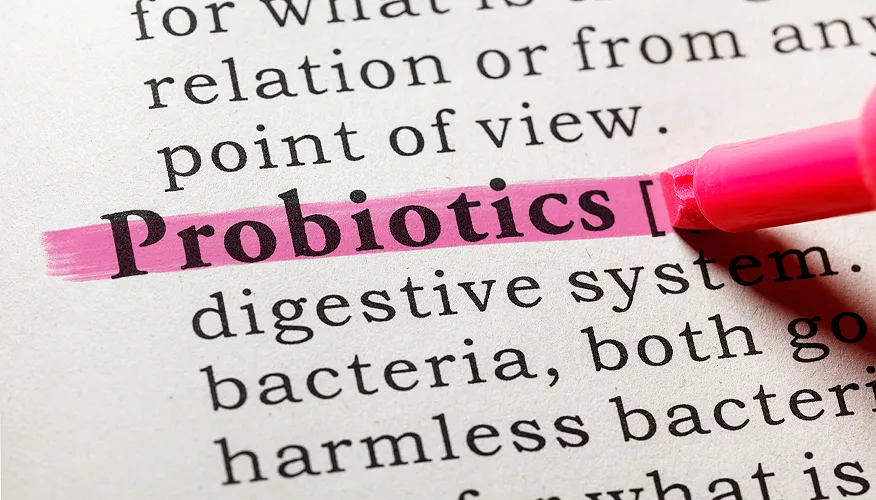
Probiotics are microorganisms, specifically live bacteria and yeasts, that are beneficial for our health, especially for our digestive system. We usually associate bacteria with diseases, but our bodies are a host to an enormous amount of bacteria. Some of these bacteria are good for our health. The term 'probiotics' comes from the Greek words 'pro' and 'bios', meaning 'for life'.
Probiotics mainly belong to two groups - Lactobacillus and Bifidobacterium. Different types of species lie within each group, and each species has several strains. Diverse probiotic strains have distinct effects on the human body. For instance, Lactobacillus may help with diarrhea and skin conditions, while Bifidobacterium could boost your immune system and prevent infections.
In addition to being naturally present in our bodies, probiotics can be found in certain foods and dietary supplements. Probiotic-rich foods include yogurt, pickles, sauerkraut, and some types of cheese like gouda, mozzarella, and cheddar. You can also find specially formulated probiotic supplements that can be taken to boost your gut health.
The connection between probiotics and the immune system
The human immune system is a complex network of cells and proteins that protect us against infection. The gut plays a central role in maintaining the immune system's functionality because it houses nearly 70% of the entire immune system. Probiotics improve the immune system by maintaining gut health.
- Probiotics interact with gut cells and stimulate the immune response.
- They maintain a healthy balance of gut bacteria by outcompeting harmful pathogens.
- Probiotics enhance the barriers in the intestines preventing harmful bacteria from crossing into the bloodstream.
- They stimulate the production of natural antibodies in the body.
Causes of a weak immune system
A weak immune system can be due to several reasons:
- Lack of sleep: Sleep deprivation affects your immune system adversely.
- Poor nutrition: A diet lacking essential vitamins and minerals can weaken your immunity.
- Stress: High-stress levels can harm your immune response.
- Lack of exercise: Regular physical activity helps to boost the immune system.
- Alcohol and smoking: Excessive consumption of alcohol and smoking can weaken your immune system over time.
Do probiotics improve the immune system?
Probiotics improve the immune system by enhancing gut health. They help to maintain a healthy balance of gut bacteria, which in turn helps the immune system function effectively. Here's how:
- Probiotics increase the production of natural antibodies in the body.
- They boost immune cells like T lymphocytes and Natural Killer cells.
- Probiotics also help in reducing inflammation, a critical immune response against infections.
Can probiotics prevent illness?
Research suggests that taking probiotics can lower the risk of getting common diseases like cold and flu. Probiotics improve the immune system by enhancing the body’s natural defense mechanism, thus preventing illnesses caused by harmful microorganisms. However, their efficacy can vary based on the strains and dosage.
The timeline for probiotics to improve the immune system
The length of time it takes for probiotics to improve your immune system can vary depending on several factors such as your overall health, diet, and lifestyle.
Typically, you might start noticing benefits after a few weeks of regular probiotic intake.
However, for noticeable improvements in specific health conditions, it may take two to three months.
Choosing the right probiotics for immune system support
Choosing the best probiotic for immune system support depends on various factors, including the specific strains of bacteria contained in the probiotic supplement and individual health needs.
However, several probiotic strains have been studied for their potential immune-boosting effects:
1. Lactobacillus acidophilus: This strain is commonly found in yogurt and fermented foods and has been studied for its ability to enhance immune function by promoting the production of immune-boosting substances like cytokines.
2. Bifidobacterium lactis: Known for its ability to support gut health, Bifidobacterium lactis has also been shown to modulate the immune system and reduce the risk of respiratory infections.
3. Lactobacillus rhamnosus: This probiotic strain has been extensively researched for its immune-modulating effects, particularly in reducing the severity and duration of respiratory infections.
4. Lactobacillus casei: Studies have shown that Lactobacillus casei can enhance immune function and reduce the risk of upper respiratory tract infections.
5. Saccharomyces boulardii: While technically a yeast probiotic rather than a bacterial strain, Saccharomyces boulardii has been shown to support immune health and reduce the risk of gastrointestinal infections.
When choosing a probiotic for immune system support, it’s essential to look for a high-quality supplement that contains strains supported by scientific research.
Additionally, consider factors such as the potency of the probiotic, the presence of prebiotics (which can enhance the effectiveness of probiotics), and any specific health conditions or concerns you may have.
As always, it’s a good idea to consult with a healthcare professional before starting any new supplement regimen.
Key benefits of probiotics for your immunity
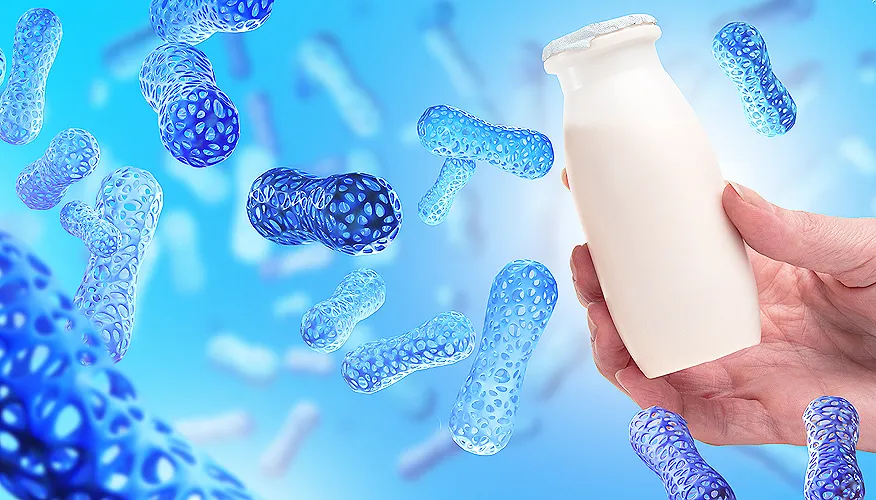
1. Maintaining a healthy balance of gut bacteria: Probiotics help to replenish and maintain a diverse array of beneficial bacteria in the gut. A balanced gut microbiome is essential for a robust immune response, as it supports overall digestive health and prevents the overgrowth of harmful bacteria.
2. Boosting natural antibody production: Probiotics have been shown to stimulate the production of natural antibodies, which are key components of the immune system's defense against pathogens. By enhancing antibody production, probiotics help the body to recognize and fight off harmful invaders more effectively.
3. Enhancing immune cells: Probiotics have been found to modulate the activity of various immune cells, including T cells, B cells, and natural killer cells. These cells are instrumental in identifying and destroying pathogens, making probiotics essential for maintaining a vigilant immune system.
4. Reducing inflammation: Chronic inflammation can impair immune function and contribute to the development of various diseases. Probiotics have anti-inflammatory properties that help to soothe inflammation in the gut and throughout the body, promoting a balanced immune response and overall well-being.
Conclusion
In conclusion, probiotics do improve the immune system. They play a crucial role in maintaining a healthy gut, boosting our natural defenses, and preventing diseases. While they are not magic pills that will prevent all illnesses, they provide our body with beneficial bacteria.
Incorporating probiotics into your lifestyle, along with a balanced diet and regular exercise, can form a solid foundation for improved health and well-being.
So, the next time you reach for that yogurt or kefir, remember you're doing your immune system a favor!
Frequently Asked Questions
The immune system can benefit from a variety of probiotics, notably Lactobacillus and Bifidobacterium strains. They are known to enhance immunity by promoting the growth of beneficial gut bacteria. With this said, it's important to remember that the effectiveness of probiotics can be strain-specific and individual reactions may vary.
Research suggests that probiotics can potentially support in reducing the risk of certain infections. They work by enhancing the body's natural defenses and inhibiting the growth of harmful bacteria. However, they are not a guaranteed prevention method and should not replace any medical treatments or advice.
Probiotics can be especially helpful for individuals with conditions like Irritable Bowel Syndrome (IBS), Inflammatory Bowel Disease (IBD), and antibiotic-related diarrhea by restoring the balance of good bacteria in the gut. Also, evidence suggests that probiotics improve immune system responses in individuals with allergies and eczema.
Yes, certain strains of probiotics have been found to reduce the duration and severity of colds and flu. However, they should not replace vaccinations or other preventive measures recommended by healthcare professionals.
Generally, probiotics are considered safe for most people. However, some individuals may experience mild digestive issues such as gas and bloating. In rare cases, those with weakened immune systems or serious illnesses may experience more severe side effects. Always consult your healthcare provider before starting any new supplement regimen.
While studies suggest that probiotics improve immune system responses, individual needs may vary. It's recommended to consult with your healthcare provider to determine if probiotics are right for your specific health needs.
Providing a balanced diet rich in fruits, vegetables, whole grains, and lean proteins can support your child's immune health. Additionally, regular exercise, adequate sleep, and good hygiene practices can also contribute to a strong immune system. Some studies suggest that certain probiotics can enhance a child’s immune response, but always consult a pediatrician before introducing new supplements.
Most probiotics are considered safe for pregnant women and breastfeeding mothers. However, you should always consult your healthcare provider before starting any new supplement regimen during pregnancy or breastfeeding.
For many people, taking a daily probiotic supplement can be beneficial for gut health and potentially enhance the immune response. However, individual needs vary, and it's best to discuss with your healthcare provider to establish the optimal dosage and frequency for your specific health situation.
Did you like our Article?
Excited
0
Happy
0
Not Sure
0
Silly
0
- Probiotics and immune health
- Probiotics Mechanism of Action on Immune Cells and Beneficial Effects on Human Health
- 6 Signs You Have a Weakened Immune System
- Probiotics
- Understanding the health benefits of taking probiotics
- Clinical Uses of Probiotics
- A review of probiotic supplementation in healthy adults: helpful or hype?
- Probiotics: What You Need To Know
- Probiotics
- 1Characterization of Selected Lactobacillus Strains for Use as Probiotics
Our team of experts frequently monitors developments in the health and wellness field, and we update our articles when new information becomes available.
Current Version
May, 21 2024


Leave a Comment