
The Impact Of Trauma On Brain Health
Key Highlights
- Traumatic experiences can cause profound psychological and emotional distress, leading to symptoms and effects on brain health and the whole body.
- Traumatic events can vary in nature and severity, often characterized by a feeling of intense fear, helplessness, guilt, shame, numbness, horror, Post-Traumatic Stress Disorder (PTSD) etc.
- A traumatic event causes several physiological and neurobiological changes in the brain- in Amygdala, Hippocampus, Prefrontal Cortex, and Hypothalamic-Pituitary-Adrenal (HPA) Axis, disrupts the balance of neurotransmitters, affects neural plasticity etc.
- Seeking support from mental health professionals and engaging in trauma-focused therapies can benefit individuals who have experienced trauma, as it can help them process and heal from the traumatic experience and its effects.

Are you going through the after-effects of trauma? Or know your loved ones dealing with distress post-trauma? Going through trauma is challenging, overwhelming and overpowering with bouts of symptoms and effects.
Trauma, both physical and psychological, can have a lasting impact on an individual’s overall well-being. In recent years, there has been a growing body of research shedding light on the profound effects of trauma on brain health. Understanding these effects is crucial for developing effective strategies to support and heal those who have experienced trauma.
We are here to help you with insights on trauma, its impact and ways to deal with it to live your life to the fullest.
What is trauma?

- Trauma is the emotional response to a deeply distressing or disturbing experience that overwhelms an individual's ability to cope with distress.
- It is followed by intense fear, helplessness, horror, shock, denial, anxiety and sadness.
- These symptoms tend to go away with time, but in some, the effects are dormant and return unpredictably or if you witness any disturbing act.
- Sometimes, the symptoms persist, indicating that the trauma has developed into a mental health disorder called post-traumatic stress disorder (PTSD).
- PTSD can last for months or years and cause problems in your daily life, in relationships, at work, your physical health etc.
- The effects of trauma can vary from person to person, and not everyone who experiences a traumatic event will develop trauma-related symptoms or disorders.
Trauma types
Based on the type or nature of the distressful event, trauma is three types:
- Acute trauma: results from a single stressful or dangerous event like a car crash.
- Chronic trauma: due to repeated and prolonged exposure to highly stressful events like child abuse, bullying, or domestic violence.
- Complex trauma: results from exposure to multiple traumatic events like wars, medicals staffs in emergency departments, armed forces etc.
Secondary trauma or vicarious trauma, is another type of trauma developed when you are in close contact with the victim of trauma. Family members, mental health professionals etc., are vulnerable to this trauma.
The genesis of trauma

- Trauma can happen to anyone, even with a healthy mind and body. None are immune to it.
- There can be several triggers for it affecting different people to various degrees.
- Understanding the root cause of trauma can help in getting help accordingly.
Some of the causative factors of trauma are listed below:
- Natural disasters: Earthquakes, hurricanes, floods, wildfires or pandemics.
- Accidents: Involving vehicles, machinery or other hazardous situations.
- Violence: Physical assault, sexual assault, domestic abuse, witnessing violence, being kidnapped, terrorist attack etc.
- War and conflict: Experiencing or witnessing the horrors of war, military combat etc.
- Childhood trauma: Abuse (physical, emotional, or sexual), neglect, growing up in a dysfunctional family environment, harassed or bullied in school and neighbourhood for looks, race and financial status.
- Medical trauma: Serious illness, invasive medical procedures, life-threatening medical emergencies, or experiencing traumatic childbirth.
- Loss and grief: Sudden or unexpected death of a loved one or experiencing multiple losses.
Trauma Symptoms To Watch Out For
- Trauma can affect individuals differently based on their character, mental health conditions, previous exposure to traumatic events, type of trauma etc.
- Initial reactions to trauma can include exhaustion, confusion, sadness, anxiety, agitation, numbness, dissociation, confusion, physical arousal, and blunted affect.
- Indicators of severe responses include continuous distress without periods of relative calm or rest, severe dissociation symptoms and intense intrusive recollections that continue despite a return to safety.
- Sometimes it can cause no observable symptoms in the beginning. Delayed responses to trauma can include persistent fatigue, sleep disorders, nightmares, fear of recurrence, anxiety focused on flashbacks, depression, and avoidance of emotions, sensations, or activities associated with the trauma, even remotely.
1. Emotional and psychological responses
- Feeling too much (overwhelmed) or too little (numb) emotion
- Anger, fear, sadness, and shame
- Confusion, anxiety, depression
- Guilt, hopelessness, irritability
- Difficulty in concentrating
2. Physical responses
- Common physical disorders and symptoms include somatic complaints; sleep disturbances, gastrointestinal, cardiovascular, neurological, musculoskeletal, respiratory and dermatological disorders; urological problems; and substance use disorders.
- Fatigue, racing heart, sweating.
- Hyperarousal- when you feel you are in a constant state of alertness.
3. Post-Traumatic Stress Disorder (PTSD)
- Trauma can trigger the development of PTSD, a mental health disorder characterized by intrusive thoughts, hyperarousal, flashbacks, nightmares, sleep disturbances, changes in memory and concentration, and startle responses.
- When the trauma symptoms persist or worsen months after the stressful event, PTSD develops.
- Individuals with PTSD may also experience avoidance of reminders associated with the trauma- avoiding visiting the place where it occurred, or emotional numbness, hypervigilance and difficulty concentrating.
- Treatment can manage symptoms and improve quality of life.
4. Childhood trauma
- The children’s brain is still developing and is at higher risk for trauma.
- Children get easily afraid and stressed, and their body releases hormones related to stress and fear, disrupting normal brain development.
- Thus it hinders the child’s long-term emotional development, mental health, physical health and behavior which then transcends into adulthood.
- Childhood trauma makes you more vulnerable to any trauma.
The impact of trauma on brain health
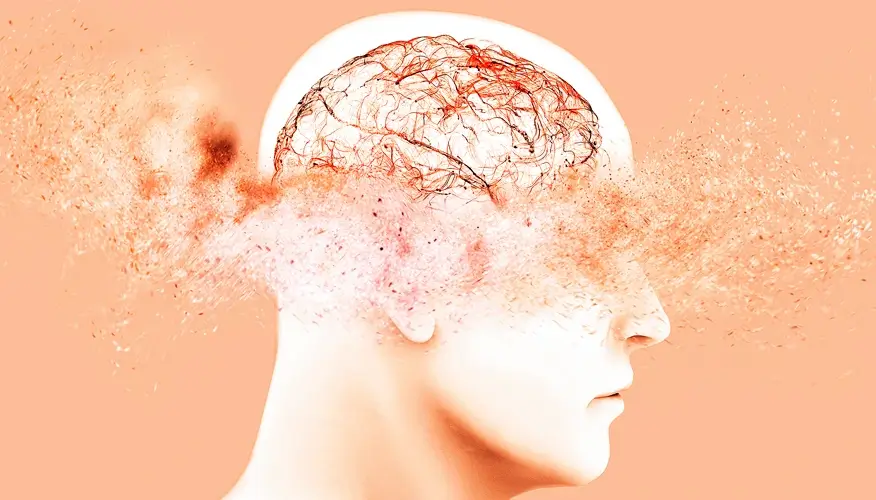
- Trauma can have a significant impact on brain health and functioning. Several physiological and neurobiological changes can occur when a person experiences a traumatic event.
- Traumatic stressors such as early trauma can lead to posttraumatic stress disorder (PTSD), which can be a lifelong problem.
- Traumatic stress can be associated with lasting changes in brain areas-amygdala, hippocampus, and prefrontal cortex.
- Traumatic stress is associated with increased cortisol and norepinephrine responses to subsequent stressors.
- The human brain undergoes changes in structure and function across the lifespan from early childhood to late life.
- Predominant brain development occurs in the uterus and continues to develop after birth. The first 1000 days are crucial in a child’s brain development.
- Trauma at different stages in life will presumably have distinct effects on brain development.
Here are some ways trauma can affect brain health:
- Amygdala: The amygdala, a brain structure involved in emotional processing and fear responses, can become hyperactive in response to trauma. This heightened activity lead to increased sensitivity to potential threats and a heightened fear response.
- Hippocampus: The hippocampus, a brain area involved in verbal declarative memory, is sensitive to the effects of stress. Chronic stress and high levels of stress hormones, such as cortisol, can shrink the hippocampus and impair its functioning. It can result in difficulties with memory consolidation, retrieval, and the ability to process and recall traumatic memories. Women with abuse and PTSD showed a failure of hippocampal activation during the memory task relative to controls.
- Prefrontal Cortex: The prefrontal cortex, involved in higher-order cognitive functions such as decision-making, problem-solving, and emotional regulation, can be impacted by trauma. Trauma can impair the prefrontal cortex's ability to regulate emotional responses, leading to difficulties in managing emotions, impulsivity, and reduced executive functioning.
- Hypothalamic-Pituitary-Adrenal (HPA) Axis: Trauma can dysregulate the HPA axis responsible for the body's stress response. This dysregulation can lead to persistent elevation of stress hormones, such as cortisol, affecting various physiological processes and contributing to long-term stress-related health issues.
- Neurotransmitters: Trauma can disrupt the balance of neurotransmitters, the chemical messengers in the brain. It can lead to alterations in the levels of neurotransmitters like cortisol, serotonin, norepinephrine, and dopamine, which can contribute to mood disorders, anxiety, and changes in arousal and reward systems.
- Neural Plasticity: Trauma can affect neural plasticity, the brain's ability to reorganize and adapt. It can lead to maladaptive changes in neural circuits, making it challenging to process and integrate new information or form new connections. It can contribute to difficulties in emotional regulation, learning, and recovery from trauma.
These effects on brain health can manifest in various symptoms and conditions, such as post-traumatic stress disorder (PTSD), anxiety disorders, depression, substance abuse, and difficulties with attention, concentration, and memory.
Healing after the trauma

- Healing from trauma is highly individualistic. Having a support system, an optimistic mindset and healthy stress-coping skills can affect how quickly a person recovers or which treatments they respond well to.
- Most survivors exhibit immediate reactions, which typically resolve without severe long-term consequences. It is because most trauma survivors are highly resilient and develop appropriate coping strategies, including social support, to deal with the effects of trauma.
Here are some ways to boost trauma resilience:
- Seek professional help: Reach out to mental health professionals with experience in trauma therapy. They can provide guidance, support, and evidence-based treatments tailored to your needs. Trauma-focused therapies such as cognitive-behavioral therapy (CBT), eye movement desensitization and reprocessing (EMDR) and somatic experiencing can help process and integrate traumatic memories, regulate emotions, and promote healing.
- Build a supportive network: Surround yourself with a supportive network of family, friends, or support groups. Sharing your experiences with empathetic and understanding individuals can provide validation, a sense of connection and a safe space for healing.
- Self-Care and Stress Reduction Techniques: Engage in self-care activities that promote relaxation and stress reduction, like practising mindfulness, deep breathing exercises, regular physical exercise, getting enough sleep, and maintaining a balanced diet with good foods for brain health. These can help regulate the stress response, promote emotional well-being, and support brain health. Physical well-being can have positive effects on mental health and brain function.
- Establish a safe environment: Creating a safe and stable environment is crucial for brain healing. Improving your living situation, setting boundaries in relationships, and establishing routines can help the brain regain a sense of stability and reduce hypervigilance.
- Practice Healthy Coping Mechanisms: Explore healthy coping mechanisms to manage stress and emotions through art, writing, journaling, practicing relaxation techniques, engaging in hobbies, or participating in activities that bring joy and contribution to the brain's healing process.
Patience and Self-Compassion: Healing from trauma is hard and takes time, and it's crucial to be patient and ‘kind to yourself ‘ throughout the process. Healing is a journey with ups and downs.
Conclusion
Traumatic events deeply impact individuals, affecting their psychological, emotional and physical well-being. It disrupts the person's sense of safety and trust. The effects of trauma on brain health can vary among individuals, and not everyone who experiences a traumatic event will develop trauma-related symptoms or disorders.
Trauma can be acute, resulting from a single event or chronic, stemming from ongoing or repeated experiences. It can lead to conditions like PTSD, depression, anxiety etc., that damage the brain. Seeking support from mental health professionals and engaging in trauma-focused therapies can benefit individuals experiencing trauma, as it can help them process and heal from the traumatic experience effects.
Always remember to be kind to yourself. Don’t be hard on yourself or be in a hurry to heal. It is just a phase that you have to pass through. Help your brain with brain health tips like training your brain to adopt healthful habits, improve cognitive function supplements intake, avoid unhealthy habits, listen to music for brain health, and avoid unhealthy mental habits. Also, regular exercise improves cognitive function.
Remember to offer support to your loved one who is going through trauma. Be kind on their road to recovery. Together we can overcome!
Frequently Asked Questions
Brain chemicals, also known as neurotransmitters, influence mood and overall health. These chemicals transmit signals between nerve cells (neurons) in the brain. Any dysregulation of neurotransmitters can affect mood, emotions and overall well-being. They either stimulate brain activity or have a calming effect.
- Serotonin regulates mood, appetite, sleep, and social behavior. Low levels are associated with depression, anxiety disorders and certain eating disorders.
- Dopamine is associated with reward, pleasure, motivation, and movement. It plays a role in regulating mood and focus. Imbalances in dopamine levels cause depression, bipolar disorder and addiction.
- Norepinephrine is associated with vigilance, attention, and arousal. It helps regulate mood and is implicated in conditions like depression, anxiety, and attention deficit hyperactivity disorder (ADHD).
- GABA is an inhibitory neurotransmitter that helps regulate brain activity, reduces anxiety and calms the nervous system. Low levels of GABA cause anxiety disorders and epilepsy.
- Glutamate is an excitatory neurotransmitter involved in learning, memory, and synaptic plasticity. Excessive levels of glutamate cause damage to neurons and contribute to neurodegenerative diseases like Alzheimer's and Parkinson's. Balancing glutamate activity is crucial for maintaining healthy brain function.
- The hippocampus, a brain region crucial for learning and memory, can be affected by trauma, which results in difficulties with memory consolidation, retrieval, and the ability to form new memories effectively.
- The amygdala, involved in processing emotions and fear responses, can become hyperactive in response to trauma. This emotional dysregulation can interfere with attention, concentration, and the ability to focus on learning tasks.
- The prefrontal cortex, responsible for executive functions such as decision-making, problem-solving, and impulse control, can be adversely affected by trauma leading to difficulties with attention, working memory, planning, and organization, which can impact learning and academic performance.
- Trauma can dysregulate the body's stress response system, including the hypothalamic-pituitary-adrenal (HPA) axis. Prolonged activation of the stress response system can impair attention, memory, and learning abilities.
Healing from trauma is a deeply personal and individualized process that can take time and patience. Some tips that can help you are:
- Reach out to friends and family, and talk, as communication is an important part of recovery.
- Seek therapy, even if you think you can handle it. Sadness, fear, grief, and depression can interfere with your daily life and cripple you.
- Join a support group that can give you tips on how to deal with what’s happening.
- Facing your feelings is crucial as acceptance keeps you in the present and helps to move forward in life.
- One of the most effective ways to handle the aftereffects of a traumatic event is exercise. You can also practice relaxation techniques too.
- Eat healthy meals, rest, and do things that make you happy. Do anything and everything that involves self-care to reinforce that you are important.
- Don’t turn to alcohol or drugs to forget things. It is not going to help! Also ruins your physical and mental health.
- Re-establish a sense of normalcy and regain control over your life by setting up a routine.
- Music for brain health- music therapy, making music or just listening can bring a huge change in your life. Meditating while hearing a favorite song can help, too.
Trauma can invoke a lot of changes in the body. Emotional trauma can be recognized by arousal symptoms such as:
- Being easily startled or frightened
- Anxiety and panic attacks
- Always being on guard for danger
- Obsessions and compulsions
- Self-destructive behavior, suicidal thoughts
- Trouble sleeping/ wide awake trying to sleep
- Trouble concentrating
- Irritability or aggressive behavior
- Overwhelming guilt or shame

Dr. Dovbakh Olga Dmitrivna
Dr. Dovbakh Olga Dmitrivna is a Clinical Psychologist based out of Ukraine. She graduated from the Bukovinian State Medical University, Ukraine back in 2009. Driven by a thirst of knowledge and with a keen interest in matters of the mind, Dr. Dovbakh Olga Dmitrivna went back to University in 2021 to specialise in psychiatry.
Did you like our Article?
Excited
0
Happy
2
Not Sure
1
Silly
-1
Our team of experts frequently monitors developments in the health and wellness field, and we update our articles when new information becomes available.
Current Version
Aug, 22 2023
Written By
Dr. Dovbakh Olga Dmitrivna
Fact checked By
Dr. Iunis Galina Ivanovna


Leave a Comment