
Turbocharge Your Digestion: How To Digest Food Faster In 8 Ways
Key Highlights
- Understanding the body's natural digestion process and time is crucial.
- Various factors such as diet, lifestyle, and hydration affect digestion.
- Identifying potential digestive problems can aid in managing digestion.
- There are several natural ways to enhance the speed of digestion.
- Consuming certain foods and drinks can significantly improve your body's digestion speed.

Chomp, chomp, gulp! Ah, the simple joy of savoring your favorite meal!
Doesn’t it feel fantastic to sit down to a plate of food you truly love? The taste, the aroma, the textures – it's a delightful sensory experience. But have you ever wondered how long does it take to digest food or why does food digest fast for some and slow for others? Or have you ever found yourself searching for easy-to-digest foods or ways on how to digest food faster naturally?
Well, you’re not alone. The process of digestion is something many of us tend to take for granted, yet it’s a critical function of our bodies that can greatly impact our overall health and wellbeing.
In this blog, we’re going to take a fascinating journey through the world of digestion. We’re going to learn about what happens when we eat and understand how fast do humans digest food. Best of all, we’ll discover eight natural ways that can help your body digest food more efficiently and quickly.
So, grab a seat, maybe even a snack (fast digesting protein foods are great), and get ready to learn more about your amazing digestive system!
Understanding digestion: How does digestion work?

Digestion is a fascinating process that begins the moment you take your first bite and lasts until the nutrients are absorbed by your body. But have you ever wondered how long does it take to digest food?
Well, on average, the human body takes about 24 to 72 hours to digest food completely. The time taken can vary from person to person based on multiple factors like the type of food eaten, the individual’s metabolism, gender, and age.
- The course of digestion starts in your mouth. Here, enzymes in saliva begin to break down carbohydrates.
- The food then travels down the esophagus into the stomach, where it is broken down further by stomach acid and enzymes, primarily proteins. This process takes about 2 to 4 hours.
- The food then moves into the small intestine, where most of the nutrient absorption occurs. This step takes approximately 4 to 5 hours.
- Lastly, the remnants move into the large intestine or colon, where water is absorbed, and waste material gets prepared for elimination. This process can take up to 72 hours.
Factors affecting digestion time
Many factors can influence how fast your body digests food. These may include:
- The type of food you consume significantly impacts digestion speed. Fast-digesting carbs, favored by bodybuilding enthusiasts, include refined grains and sugars, as they are quickly broken down for energy use.
- Conversely, fats and proteins require more time for digestion. Additionally, dietary fiber slows down digestion as our bodies struggle to break it down fully.
- Individual physiology is another crucial factor influencing digestion speed. Each person's body operates uniquely; some individuals may possess faster metabolic rates, facilitating quicker digestion and nutrient absorption.
- Age also plays a role, as metabolic processes tend to slow down with age.
- Lifestyle factors such as exercise can positively influence metabolism and, consequently, digestion, accelerating the breakdown of food.
Possible digestive problems
Sometimes, the digestive process doesn’t go as smoothly as we’d like. Possible digestive problems can result from a variety of factors: eating too quickly, not chewing your food thoroughly, consuming a lot of processed or fast food, or not drinking enough water. These habits can lead to uncomfortable symptoms such as bloating, gas, heartburn, stomach pain, and constipation.
Moreover, certain medical conditions can impede digestion. Conditions such as Irritable Bowel Syndrome (IBS), gastroesophageal reflux disease (GERD), peptic ulcers, and celiac disease can significantly impact how well and how fast your body digests food.
If you’re experiencing persistent digestive problems that are interfering with your daily life, it's important to get checked by a healthcare professional.
8 natural ways to speed up digestion
Stay hydrated
- Consuming an ample amount of water throughout the day is essential for maintaining optimal digestive function.
- Adequate hydration helps soften stools, making them easier to pass, and supports the smooth movement of food through the digestive tract.
Eat fiber-rich foods
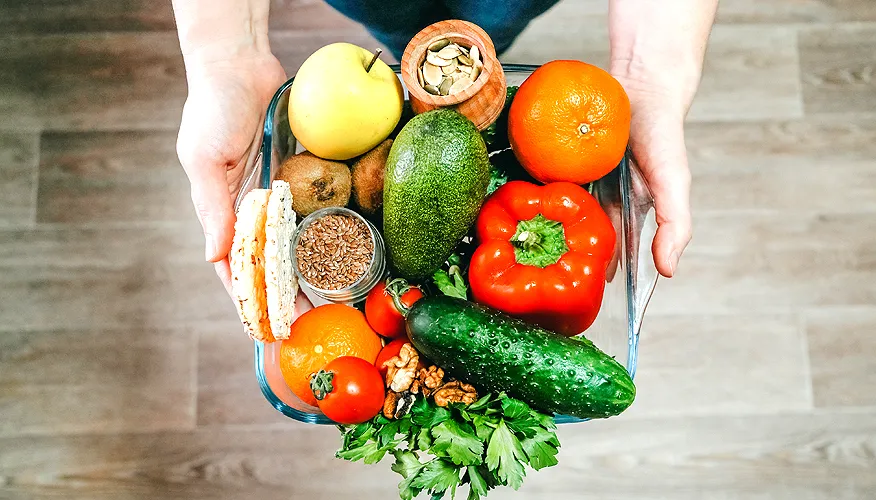
- Whole grains, fruits, vegetables, and legumes are excellent sources of dietary fiber, which plays a crucial role in promoting healthy digestion.
- Fiber adds bulk to stool, facilitating its passage through the intestines and helping to prevent constipation.
- Additionally, fiber-rich foods help to nourish beneficial gut bacteria, contributing to overall digestive health.
Get regular exercise
- Engaging in regular physical activity benefits cardiovascular health and supports digestion.
- Even a brief walk after meals can stimulate intestinal contractions, aiding in the movement of food through the digestive system and reducing the likelihood of bloating or discomfort.
Limit highly processed foods
- Highly processed foods, typically high in refined sugars and unhealthy fats, can slow digestion and contribute to gastrointestinal issues such as bloating, gas, and indigestion.
- Opting for whole, minimally processed foods ensures a higher intake of essential nutrients and supports optimal digestive function.
Try probiotics
- Probiotics are beneficial bacteria that help maintain a healthy balance of microorganisms in the gut.
- Consuming probiotic-rich foods such as yogurt, kefir, and fermented vegetables or taking probiotic supplements can help support digestive health and promote regular bowel movements.
Mindful eating
- Taking the time to chew your food thoroughly and eat slowly allows your body to digest and absorb nutrients properly.
- Rushed eating can lead to digestive discomfort and may contribute to overeating.
- By practicing mindful eating habits, you can improve digestion and enhance your overall eating experience.
Incorporate herbs into your diet
- Certain herbs, such as ginger, peppermint, and fennel, have long been used to aid digestion.
- These herbs possess natural digestive properties and can help alleviate symptoms such as bloating, gas, and indigestion.
- Incorporating them into your meals or enjoying them as herbal teas can provide soothing relief for digestive issues.
Consider digestive enzymes
- Digestive enzymes are substances that help break down food into smaller, more easily digestible components.
- Some people may benefit from taking digestive enzyme supplements, particularly if they have conditions that affect enzyme production or experience symptoms of digestive discomfort after meals.
Conclusion
As we wrap things up, understanding how your body digests food can go a long way toward maintaining good health. Knowing how long it takes to digest food helps you keep track of your body’s efficiency and identify potential issues. Keeping your digestive system in top shape is crucial for overall health and well-being. That’s why it’s important to adopt habits that support healthy digestion, such as maintaining a balanced diet, staying hydrated, practicing regular physical activity, and getting adequate sleep.
Remember, every person is unique. What works for someone else might not work the same way for you. Therefore, it’s always advised to consult with a healthcare professional before making major changes to your lifestyle or diet.
When seeking guidance on how to digest food faster, a healthcare professional can provide personalized recommendations tailored to your specific needs and circumstances. Here's to a healthier and happier you!
Frequently Asked Questions
Improving digestion can be achieved by incorporating several practices into your routine. This includes eating a diet high in fiber, staying hydrated, and maintaining a regular workout regimen. It’s also beneficial to understand how fast your body can digest food which varies from person to person.
Foods that are easy to digest and thus improve digestion include bananas, rice, applesauce, and toast—often referred to as the BRAT diet. Additionally, fast digesting protein foods such as chicken, turkey, and firm tofu, are also good for digestion.
Eating light meals or snacks made up of easy-to-digest foods can help make food digest faster before exercise. Also, fast digesting carbs bodybuilding enthusiasts recommend—like white rice or potatoes—can provide quick energy.
Drinks for fast digestion, such as ginger tea and peppermint tea, can soothe your digestive system after overeating. Light physical activity, such as a walk, can also stimulate your metabolism
Avoid heavy, rich meals close to bedtime and opt for lighter fare instead. Herbal teas can aid in digestion at night.
Slow digestion refers to a delay in the time it takes for food to move through the digestive system. Normally, it takes about 24-72 hours for food to pass through the digestive tract but this may vary depending on various factors like your metabolism rate, the type of food you eat, and your overall health.
Physical activity helps accelerate digestion by stimulating the muscles in your GI tract. This includes exercises like walking, jogging, swimming, or yoga. Regular exercise can also help prevent constipation.
Easy-to-digest foods often include simple carbohydrates and lean proteins. Foods such as white rice, bananas, and well-cooked vegetables can be easier on your digestive system. These are also fast digesting carbs and proteins that pass through your system at a quicker rate. Understanding how long it takes to digest these foods, can help you plan your meals and snacks more effectively for optimal digestive health.
Fasting can give your digestive system a break by allowing it to rest from processed foods. Some people find that fasting helps them feel lighter and more energetic, which can indirectly improve digestion. However, it’s essential to listen to your body and consult with a healthcare professional before starting any fasting regimen to ensure it's safe and suitable for you.

Dr. Sintayehu Abebe
Dr Sintayehu Abebe is a Consultant Internist and Interventional Cardiologist at the Addis Ababa University. The young and energetic Dr Abebe who is always keen on learning new things is also President of the Ethiopian Society of Cardiac Professionals (ESCP).
Did you like our Article?
Excited
0
Happy
0
Not Sure
0
Silly
0
- 5 Foods to Improve Your Digestion | Johns Hopkins Medicine
- Good foods to help your digestion - NHS
- How Long Does It Take to Digest Food
- Your Digestive System & How it Works - NIDDK
- Acid Reflux (GER & GERD) in Adults - NIDDK
- Celiac Disease - NIDDK
- Constipation - NIDDK
- Crohn's Disease - NIDDK
- How To Improve Your Gut Health Naturally
Our team of experts frequently monitors developments in the health and wellness field, and we update our articles when new information becomes available.
Current Version
Jun, 04 2024
Written By
Dr. Sintayehu Abebe
May, 31 2024
Written By
Dr. Sintayehu Abebe


Leave a Comment