
Clearing the Fog: Understanding Refractive Error
Key Highlights
- Refractive errors are common eye disorders affecting vision clarity.
- There are four types: myopia (nearsightedness), hyperopia (farsightedness), astigmatism, and presbyopia.
- Symptoms include blurred vision, double vision, and eye strain.
- Causes range from genetics to environment to age.
- Diagnosis involves a comprehensive eye exam.
- Treatment options can include glasses, contact lenses, or laser eye surgery.
- Lifestyle changes and prevention measures can help to maintain good eye health.

Isn’t it fascinating how everything we see around us is an interplay of light and our eyes? It’s quite a ballet, really. But what happens when this dance is out of sync? You might experience blurred vision or even headaches. That’s your body telling you there might be a change in your eye’s refractive power.
Refractive errors are among the most common eye disorders worldwide and a significant cause of poor vision. They occur when the eye can't accurately focus light on the retina, resulting in blurred vision.
But fret not! While refractive errors may seem like an annoying intruder in your day-to-day activities, they are usually harmless and easily corrected. So, if you’ve been squinting at this screen, wondering why everything looks blurry, get ready as we dive into understanding what refractive error is, its symptoms, causes, and treatment options.
Let's clear things up for you and bring the world into focus!
Types of refractive errors
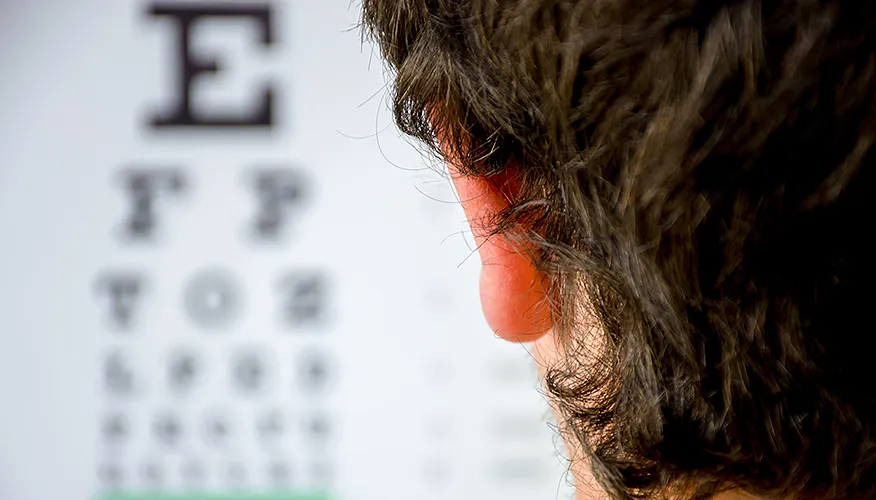
When we talk about refractive errors, we are referring to common issues that affect the eye's ability to focus properly. These errors occur when there is a mismatch between the eye's refractive power, or the ability to bend light, and its length. There are four common types of refractive errors:
Nearsightedness (Myopia)
- This type of refractive error occurs when you can see objects close to you clearly, but distant objects appear blurred.
- This happens when the eye is longer than normal, or the cornea is too curved, causing light to focus in front of the retina instead of directly on it.
Farsightedness (Hyperopia)
- The opposite of myopia, hyperopia allows you to see distant objects clearly while nearby objects appear blurred.
- This happens when your eye is shorter than normal, or your cornea is too flat, causing light to focus behind the retina.
Age-related Farsightedness (Presbyopia)
- As we age, our eyes naturally lose their flexibility, making it harder to focus on close-up objects.
- This type of farsightedness is usually noticeable in people over the age of 40.
Astigmatism
- The cornea or lens can sometimes be unevenly curved, causing multiple focus points either in front of or behind the retina.
- This results in blurry vision at all distances.
Symptoms of refractive error
Some common refractive error symptoms to look out for are:
- Blurred vision: Refers to a lack of sharpness or clarity in vision, where objects may appear fuzzy or unclear. It can occur when the shape of the eye prevents light from focusing directly on the retina.
- Difficulty focusing on objects at various distances: Known as difficulty in accommodation, it indicates challenges in adjusting the eye's focus when transitioning between viewing objects at different distances, such as near or far.
- Eye strain: Characterized by discomfort, fatigue, or soreness in the eyes, often accompanied by headaches or blurred vision. It can result from prolonged periods of reading, using digital screens, or performing tasks requiring intense visual concentration.
- Frequent headaches: Headaches associated with refractive errors often occur due to eye strain or the brain's effort to compensate for blurry vision. They may occur after prolonged visual tasks or strain on the eyes.
- Squinting: The natural response to try to improve focus by narrowing the eye's aperture, which can temporarily improve vision by reducing the amount of light entering the eye and enhancing clarity.
- Glare or halos around lights, especially at night: Visual disturbances characterized by the perception of bright circles or rings around light sources, particularly noticeable in low-light conditions. This symptom may indicate astigmatism or other refractive errors affecting the eye's ability to focus light properly.
Causes of refractive error
Refractive errors occur when the shape of the eye prevents light from focusing directly on the retina, resulting in blurred vision. Several factors contribute to these abnormalities in vision:
- Genetic factors: Refractive errors often have a genetic component, meaning they can run in families. If parents have refractive errors, their children are more likely to develop similar vision problems.
- Eye anatomy: Variations in the length and shape of the eyeball can affect how light is focused. For example, in myopia, the eyeball may be too long, causing light to focus in front of the retina instead of directly on it.
- Aging: As people age, changes occur in the lens of the eye, leading to a decrease in its flexibility and ability to focus on nearby objects.
- Environmental factors: Prolonged use of digital screens, reading in poor lighting conditions, and not taking breaks during near work can strain the eyes and contribute to refractive errors.
- Medical conditions: Certain medical conditions, such as diabetes or eye diseases like keratoconus, can also be a cause of refractive errors.
Diagnosis and tests for refractive errors
Diagnosing refractive errors involves various tests and examinations to assess vision and determine the specific type and extent of the refractive error. Here are some common diagnostic procedures:
- Visual acuity test: This test measures how well you can see at various distances using an eye chart. It helps determine if you have nearsightedness, farsightedness, or astigmatism.
- Refraction test: During this test, the eye doctor uses a phoropter or trial frame to determine the appropriate prescription for corrective lenses. You'll be asked to look through different lenses while identifying which ones provide clearer vision.
- Autorefractor: This automated instrument measures the refractive error of your eye quickly and accurately by analyzing how light changes as it enters your eye.
- Keratometry: This test measures the curvature of the cornea, which is essential for determining the correct fit of contact lenses and assessing astigmatism.
- Retinoscopy: In this test, the eye doctor uses a handheld instrument called a retinoscope to shine light into your eye and observe how it reflects off the retina.
Treatment options for refractive error
Treatment options for refractive errors aim to correct vision and reduce dependence on corrective lenses. Here are common approaches:
- Eyeglasses: Prescription glasses with lenses that compensate for refractive errors such as nearsightedness, farsightedness, or astigmatism.
- Contact lenses: These provide an alternative to glasses and can correct refractive errors. They come in various types, including soft, rigid gas permeable, and hybrid lenses.
- Refractive surgery: Procedures like LASIK (Laser-Assisted in Situ Keratomileusis) and PRK (Photorefractive Keratectomy) reshape the cornea to improve vision and reduce or eliminate the need for glasses or contacts.
- Orthokeratology: Also known as ortho-k, this involves wearing specially designed rigid contact lenses overnight to reshape the cornea temporarily, providing clear vision during the day without the need for corrective lenses.
- Refractive lens exchange (RLE): This surgical procedure involves replacing the eye's natural lens with an artificial intraocular lens to correct refractive errors like presbyopia or extreme farsightedness.
- Phakic intraocular lenses (IOLs): These are implanted in the eye while preserving the natural lens, providing refractive error vision correction for individuals with high refractive errors who are not suitable candidates for LASIK or RLE.
Treatment options vary depending on factors such as the type and severity of the refractive error, age, eye health, and lifestyle preferences. It's essential to consult with an eye care professional to determine the most suitable treatment for individual needs.
Lifestyle changes and prevention
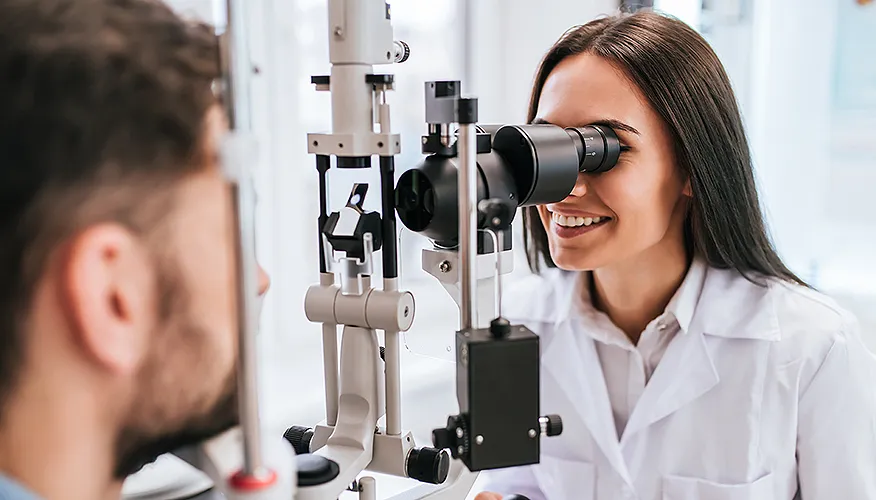
While you can’t prevent refractive errors caused by genetic factors, certain lifestyle changes can help maintain good eye health:
- Regular eye exams: Regular eye examinations can help detect refractive errors early. The American Academy of Ophthalmology recommends a comprehensive eye exam every two years for adults aged 18 to 60 and annually for those above 61.
- Balanced diet: A diet rich in fruits, vegetables, and fish can help keep your eyes healthy.
- Limited screen time: Prolonged digital screen time can cause eye strain. Follow the 20-20-20 rule: Every 20 minutes, look at something 20 feet away for 20 seconds.
Conclusion
Refractive errors are a common part of life. While they can pose significant challenges, understanding a refractive error—its types, symptoms, and causes—can lead to better management and treatment of these conditions.
Regular eye exams are critical to spotting issues early and getting the right treatment, whether that's glasses, contacts, or surgery. Lifestyle changes such as maintaining a healthy diet can also contribute to overall eye health.
Remember, your eyes are your window to the world. Despite the refractive errors you might experience, there is always a solution available to ensure you have the best possible vision.
Frequently Asked Questions
Refractive error is a common issue that affects how your eye bends or refracts light. If you have a refractive error, it might affect your vision in various ways. You might experience blurred or distorted vision, squinting, headache, eye strain, or even fatigue after routine visual tasks. It's crucial to get checked by a healthcare professional who can perform an astigmatism vision test or other necessary examinations to diagnose and treat your condition promptly.
Eye examinations should be part of your regular healthcare routine. Adults between 20-65 years old should have their eyes checked every one to two years, while those over 65 should do so annually. However, if you're experiencing refractive error symptoms such as blurred vision and headaches or have a family history of common refractive errors like myopia or hyperopia farsightedness, you should get your eyes checked more frequently.
Most refractive errors develop gradually over time, but significant changes in vision can occasionally occur suddenly. This sudden onset could be due to various causes of refractive error, such as aging, changes in blood sugar levels in people with diabetes, or genetic factors. If you do experience a sudden change in vision, it's essential to consult an eye care professional immediately.
The cost of laser eye surgery for refractive errors can vary widely based on the specific procedure, the surgeon's expertise, and the geographic location.
Presbyopia is an age-related farsightedness that typically affects people over the age of 40. Due to natural aging processes, the eye's lens becomes less flexible over time, making it harder to focus on close objects. So, while not everyone will experience presbyopia, it is a common refractive error in older adults.
Currently, there isn't a proven method to reverse presbyopia completely. However, it can be managed effectively with the use of presbyopic glasses or contact lenses. In some cases, certain surgeries like refractive lens exchange or corneal inlays might be recommended. Additionally, lifestyle changes such as good lighting when reading and regular eye exercises can help manage presbyopia symptoms. Consulting with an eye care professional is the best way to decide on the most suitable presbyopia treatment for you.

Dr. Lynda Odoh - Anikwe
Dr. Lynda Odoh - Anikwe (M. B. B. S) is a MPH candidate at the University of Manchester. Dr Odoh is also currently a member of the Society of Lifestyle Medicine Nigeria, and aiming to get certified by the International board of lifestyle medicine as a Lifestyle Medicine Physician by the last quarter of 2022.
Did you like our Article?
Excited
0
Happy
0
Not Sure
0
Silly
0
- Refractive Errors | National Eye Institute
- Refractive Errors: Types, Symptoms & Treatments
- Refractive Errors | Johns Hopkins Medicine
- Types of Refractive Errors | National Eye Institute
- Overview of Refractive Error - Eye Disorders - MSD Manual Professional Edition
- Blindness and vision impairment: Refractive errors
- The 4 Main Refractive Errors: Clearly Explained
- Guide to Refractive Errors | Patient Education
- Eyes – refractive errors - Better Health Channel
- Refractive Error - A Patient Guide to Glasses
- Corrective Lenses for Refractive Error | NYU Langone Health
Our team of experts frequently monitors developments in the health and wellness field, and we update our articles when new information becomes available.
Current Version
Jun, 04 2024
Written By
Dr. Lynda Odoh - Anikwe
May, 31 2024
Written By
Dr. Lynda Odoh - Anikwe


Leave a Comment