
Bounce Back: Ways To Beat Procrastination & Improve Productivity
Key Highlights
- Procrastination is a common problem causing delays in tasks.
- It significantly affects productivity and mental health.
- Techniques like breaking tasks down and setting deadlines can help overcome procrastination.
- Regular exercise, adequate sleep, and a balanced diet foster mental health.
- Overcoming procrastination leads to increased productivity and improved mental health.

Ever been caught in the twirl of endless scrolling through your social media feeds or found yourself binge-watching your favorite shows, all the while ignoring the important work you had planned to tackle? You’re not alone!
Many of us are guilty of putting off today’s tasks for tomorrow, only to realize that the pile of to-dos isn’t magically diminishing but growing at an alarming pace. Hello, procrastination!
Procrastination is a common adversary we all face daily. It’s like that little devil sitting on our shoulders, tempting us away from our responsibilities and towards distractions. But have you ever paused and pondered over why you procrastinate, even when you're aware that it's not beneficial for you?
In this blog, we are going to delve into the complexities of procrastination, ways to beat procrastination, and offer you some effective tips to boost productivity and enhance your mental health.
So, if you’re ready to break free from the chains of procrastination and boost your productivity, then keep reading!
The problem of procrastination
Procrastination is a common issue faced by many people in their daily lives. It is the act of delaying or postponing tasks or actions despite knowing that this delay could lead to negative consequences. This behavior is not just about being lazy or lacking responsibility. It’s a complex issue with psychological roots that often ties into feelings of stress, fear, or anxiety.
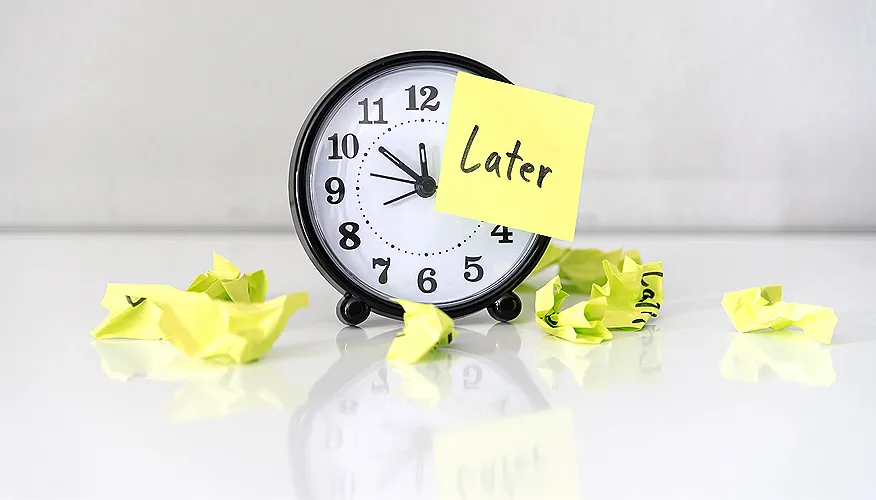
Often, procrastination starts as a harmless postponement of tasks. Nevertheless, it can quickly spiral into a habit that may significantly impact your productivity, well-being, and overall quality of life. If you find yourself regularly delaying tasks, it's essential to recognize it as a problem and take steps to overcome it.
The impact on productivity and mental health
Procrastination can have serious implications for both your productivity and mental health.
- On the productivity front, delaying tasks can result in missed deadlines, poor-quality work, and decreased output. This could harm your professional reputation and even jeopardize your career growth.
- From a mental health perspective, procrastination can lead to increased stress and anxiety levels. The constant cycle of delay followed by rushed work to meet deadlines can lead to burnout and harm your overall well-being.
- Furthermore, the guilt and self-criticism that often come with procrastination can contribute to feelings of low self-esteem and depression.
Practical strategies for overcoming procrastination
Overcoming procrastination is a common challenge many individuals face, but with the right strategies, it’s possible to cultivate habits that promote productivity and mental wellness.
While it may not happen overnight, practical approaches can significantly aid in overcoming procrastination tendencies.
Break down large tasks
- One of the most daunting aspects of tackling tasks is often their sheer size. Large projects can appear overwhelming, leading to procrastination.
- A helpful strategy is to break down these tasks into smaller, more manageable parts. By dividing tasks into actionable steps, they become less intimidating and easier to approach. For instance, instead of aiming to complete an entire project in one sitting, focus on completing specific components or milestones. This incremental approach not only makes tasks more manageable but also provides a sense of accomplishment as you progress through each step.
Prioritize your tasks
- Not all tasks are created equal, and some carry more weight in terms of importance or urgency.
- Implementing a system for prioritizing tasks can help you allocate your time and energy effectively.
- Consider using techniques such as the Eisenhower Matrix, which categorizes tasks based on their importance and urgency. By identifying which tasks require immediate attention and which can be deferred, you can streamline your workflow and prevent tasks from piling up unnecessarily.

Set deadlines
- Deadlines serve as powerful motivators that create a sense of urgency and accountability.
- When you establish clear deadlines for your tasks, you introduce a level of structure that encourages action. Be sure to set realistic deadlines that align with the scope and complexity of each task.
- Breaking larger projects into smaller milestones with corresponding deadlines can help you stay on track and maintain momentum.
- Additionally, consider leveraging external accountability by sharing your deadlines with trusted colleagues, friends, or mentors who can help keep you accountable.
Eliminate distractions
- Distractions are a major hindrance to productivity and can derail even the best-laid plans.
- Identify common sources of distraction in your environment, whether it’s social media, email notifications, or noisy surroundings, and take proactive steps to minimize them.
- Create a dedicated workspace that is free from distractions and conducive to focused work.
- Consider using productivity tools or apps that block distracting websites or limit screen time during designated work periods.
- By reducing external stimuli, you can enhance your ability to concentrate and make meaningful progress on your tasks.
Cultivating healthy habits
Overcoming procrastination isn’t just about tackling your to-do list; it’s also about creating healthier habits that support productive behavior.
A regular sleep schedule, a balanced diet, and an exercise routine all play crucial roles in enhancing mental clarity and focus, thereby reducing the likelihood of procrastination.
Additionally, practicing mindfulness through activities like meditation or yoga can also help in managing stress and anxiety, which are often linked to procrastination. Implementing relaxation techniques into your routine allows you to approach tasks with a calm mind, making it less likely for you to put them off.
Conclusion
Procrastination is a common issue impacting productivity and mental health alike. While it might seem hard to overcome, with the right strategies and habits in place, we all possess the ability to conquer this habit.
Remember that overcoming procrastination is a journey, not a destination. It’s okay if you experience setbacks along the way. What’s most important is that you're making progress, no matter how small those steps may seem.
Be patient with yourself and remember - every step you take towards overcoming procrastination is a step towards enhancing your productivity and mental well-being.
Frequently Asked Questions
Procrastination can be triggered by various factors, including fear of failure, perfectionism, lack of motivation or focus, feeling overwhelmed by tasks, or poor time management.
Yes, overcoming procrastination can significantly boost your productivity. When you stop delaying tasks and start accomplishing them on time, you begin to manage your time better, increase your efficiency, and achieve more in less time.
Boosting productivity often leads to a sense of accomplishment and satisfaction, which can improve self-esteem and reduce stress levels. Moreover, being productive allows you to have more free time for self-care practices, which are crucial for maintaining good mental health.
Absolutely! Neutraceuticals are products derived from food sources that provide extra health benefits beyond basic nutritional value. They can play a pivotal role in improving brain function, reducing fatigue, and promoting overall wellness – all of which are essential for maintaining productivity. However, it's important to remember that neutraceuticals should not replace a balanced diet but rather complement it.
Maintaining momentum in overcoming procrastination requires consistent effort and regular assessment of your strategies. Celebrate your successes, no matter how small, and learn from any setbacks. Incorporate lifestyle changes that enhance your physical and mental well-being. Practice mindfulness to stay focused, and don't be afraid to seek support from friends, family, or professionals if you need it. Remember, the journey to beating procrastination and boosting productivity is a marathon, not a sprint.
Yes! There are many self-help books, online courses, and apps dedicated to helping individuals overcome procrastination. Additionally, consulting with a mental health professional can provide personalized strategies based on your unique needs and circumstances.
Yes, procrastination can affect your relationships and social life because it might cause you to miss out on spending time with loved ones or fulfilling commitments. If you keep putting off important tasks, it could lead to stress and tension in your relationships.
If you're taking a break, you usually have a specific plan to return to your task afterward. Procrastination, on the other hand, involves avoiding tasks altogether and often leads to feeling guilty or stressed about not getting things done. So, ask yourself if you're intentionally pausing or avoiding something you need to do.
Productive procrastination involves delaying a task in favor of doing something else that's still productive or helpful. For example, if you're avoiding writing a report by organizing your workspace, that can be productive. Unproductive procrastination, however, involves avoiding important tasks by doing things that don't really help you move forward, like mindlessly scrolling through social media. So, consider whether the activity you're doing is getting you closer to your goals or just delaying your progress.
While procrastination is generally seen as a hindrance to productivity, there are some potential benefits. For instance, it can sometimes lead to creative insights or innovative solutions when we're under pressure to complete a task. Additionally, taking breaks from intense work can prevent burnout and allow for mental rejuvenation. However, these benefits are often outweighed by the negative consequences of procrastination, such as increased stress, missed deadlines, and reduced overall productivity.

GHBY Team
GHBY Team comprises content writers and content editors who specialise in health and lifestyle writing. Always on the lookout for new trends in the health and lifestyle space, Team GHBY follows an audience-first approach. This ensures they bring the latest in the health space to your fingertips, so you can stay ahead in your wellness game.
Did you like our Article?
Excited
0
Happy
0
Not Sure
0
Silly
0
- Understanding and Overcoming Procrastination
- Procrastination: What It Is And How To Overcome It
- Procrastination
- Why Wait? The Science Behind Procrastination
- What is Procrastination?
- Understanding procrastination: A case of a study skills course
- 5 Ways to Stop Procrastinating
- How to be more productive: 10 productivity tips
- 3 Practical Ways to Be More Productive
- 20 Easy Ways to Boost Your Productivity
- Be Productive at Home: 11 Tips to Promote Efficiency [2024]
- How to Stop Procrastinating: 8 Tips to Increase Productivity - 2024
- Overcoming Procrastination: Tips and Tricks to Boost your Productivity
Our team of experts frequently monitors developments in the health and wellness field, and we update our articles when new information becomes available.
Current Version
May, 21 2024
Written By
GHBY Team
Fact checked By
Dr. Kulyk Alexander Petrovich


Leave a Comment