
Best Milk For Elderly: A Comprehensive Guide
Key Highlights
- Milk is rich in calcium, vitamin D, and protein, which are crucial for bone health and muscle strength in the elderly.
- Regular milk consumption can help manage and prevent conditions like osteoporosis and hypertension.
- There are multiple milk types suitable for the elderly, including lactose-free and plant-based alternatives, catering to different health needs.
- Milk for old people can be included in the diet through various meals and snacks to ensure a balanced intake of its nutritional benefits.
- Considerations like lactose intolerance and fat content are important when choosing the best milk for an elderly individual's diet.

When it comes to choosing the best milk for elderly, nutrition plays a pivotal role. As we age, our bodies undergo various changes that affect how we process nutrients, making it crucial to select foods and beverages that support overall health and well-being.
Milk is a valuable source of essential nutrients like calcium, vitamin D, and protein, which are particularly important for older adults to maintain bone health, muscle strength, and numerous bodily functions.
This blog will explore the different types of milk available, their nutritional benefits, and how to choose the best option for an elderly individual’s dietary needs.
Importance of milk for the elderly
Milk holds a special significance in the diet of elderly individuals due to its nutrient-rich profile, which can help address several age-related challenges.
Here are the importance of milk for elderly:
Bone Health
- Aging often leads to osteoporosis, characterized by weakened bones and an increased risk of fractures.
- Milk is not only rich in calcium, which is the primary mineral needed for building and maintaining bone mass, but it's also commonly fortified with vitamin D.
- Vitamin D enhances calcium absorption and bone mineralization, making it crucial for preventing bone loss.
- Regular consumption of milk for old people can help elderly individuals maintain stronger bones and reduce their risk of osteoporotic fractures.
Muscle Maintenance
- Sarcopenia, the loss of muscle mass and strength, is a common issue in the elderly, affecting their mobility and independence.
- Milk contains high-quality proteins, including casein and whey, which are complete proteins containing all essential amino acids necessary for muscle repair and growth.
- These proteins can help mitigate the effects of sarcopenia, aiding in the maintenance of muscle strength and functionality, which is vital for day-to-day activities and reducing the risk of falls.
Nutritional Intake
- As people age, they may face challenges like diminished appetite and decreased efficiency in nutrient absorption.
- Milk offers a compact source of several essential nutrients in an easily digestible form. It is particularly important for providing B vitamins (like B12 and riboflavin), which are crucial for energy metabolism and maintaining neurological function.
- Phosphorus in milk also supports the formation of DNA and RNA, and potassium helps manage blood pressure, all of which are important as the body ages.
Chronic Disease Management
- Chronic diseases such as hypertension and type 2 diabetes are prevalent among older populations.
- Milk can play a role in managing these conditions. The potassium in milk helps regulate blood pressure, while the low glycemic index of milk means it has a minimal impact on blood glucose levels.
- Regular milk consumption can contribute to a balanced diet and help manage or prevent the progression of chronic conditions that affect many elderly individuals.
Nutritional benefits of milk for the elderly
Milk is a nutrient-dense beverage that offers a variety of essential nutrients beneficial for the elderly.
Here are the key nutritional benefits of milk for older adults:
Calcium
- Milk is one of the best sources of calcium, which is vital for maintaining bone health and preventing osteoporosis.
- As bone density naturally decreases with age, adequate calcium intake is crucial. A single cup of milk can provide about 300 mg of calcium, which is a significant portion of the daily recommended intake for the elderly.
Vitamin D
- Often fortified in milk, vitamin D is essential for calcium absorption and bone health. It also plays a role in immune function and may help reduce the risk of chronic diseases such as certain cancers and heart disease.
- Vitamin D deficiency is common in older adults, particularly those with limited sun exposure, making fortified milk a valuable dietary addition.
Protein
- Milk contains high-quality protein, which is important for preserving muscle mass, repairing tissues, and maintaining immune function.
- Protein needs can increase in the elderly due to factors like chronic illnesses or decreased efficiency in protein utilization.
- Milk provides both casein and whey proteins, which are complete proteins containing all essential amino acids.
Potassium
- This mineral helps manage blood pressure levels, which is particularly important for the elderly who are at increased risk for hypertension.
- Potassium also supports heart health and proper cell function.
- Milk is a good source of potassium, contributing to cardiovascular health and fluid balance.
Vitamin B12
- Essential for nerve function and the production of DNA and red blood cells, vitamin B12 is another nutrient found in milk.
- Older adults often struggle with absorbing vitamin B12 from food; however, the vitamin B12 in milk is in a form that is generally more easily absorbed.
Riboflavin (Vitamin B2)
- Milk is a significant source of riboflavin, which plays a crucial role in energy production.
- This is particularly important for the elderly, who may experience decreased energy levels. Riboflavin also helps maintain healthy skin and eyes.
Phosphorus
- Important for the formation of bones and teeth, phosphorus in milk works alongside calcium to enhance bone strength.
- It also plays a role in the body’s utilization of carbohydrates and fats and in the repair of cells and tissues.
Considerations for milk consumption in the elderly
While milk offers numerous nutritional benefits for the elderly, there are several considerations to keep in mind to ensure it's an appropriate part of their diet:
Lactose Intolerance
- Many older adults may develop lactose intolerance. Symptoms can include bloating, gas, diarrhea, and abdominal pain. For those who are lactose intolerant, lactose-free can be good alternatives that still provide similar nutritional benefits.
Fat Content
- Full-fat milk contains higher levels of saturated fats, which can be a concern for individuals with heart disease or high cholesterol. Switching to low-fat or skim milk can reduce fat intake while still providing the essential nutrients found in milk.
Protein Needs
- While milk is a good source of high-quality protein, excessive protein intake can be a concern for elderly with kidney issues. Those with chronic kidney disease need to monitor their protein consumption carefully.
Added Sugars in Flavored Milk
- Flavored milks, like chocolate or strawberry milk, can contain added sugars, which may contribute to dental problems, weight gain, and worsen diabetes control. Choosing plain milk or milk powder for elderly is advisable to maximize health benefits.
5 Best Milk For Elderly
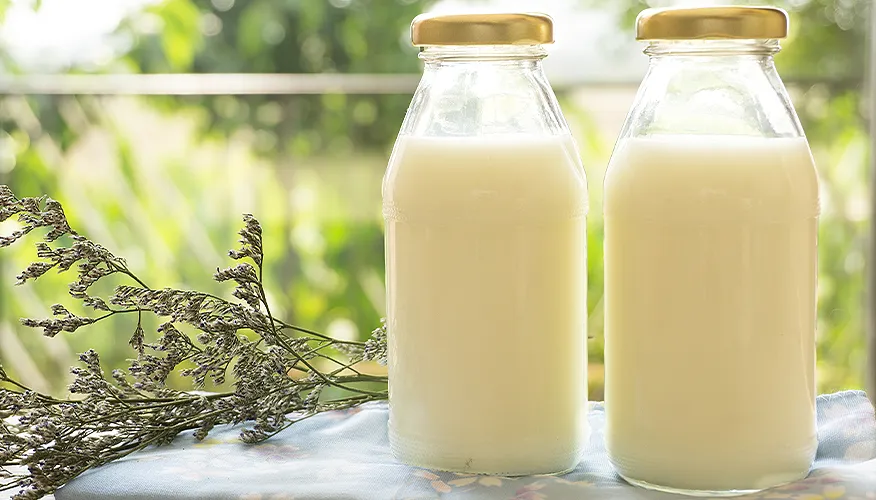
When selecting the best types of milk for elderly individuals, particularly those with specific dietary needs or health concerns, it's important to consider a variety of milk options, including both dairy and plant-based alternatives. Here are five of the best best milk for old age:
Skim Milk (Non-fat Dairy Milk)
- Skim milk provides all the nutritional benefits of cow’s milk, such as high calcium, vitamin D, and protein, without the added fat.
- This makes it the best milk for elderly for maintaining bone health and supporting muscle function without increasing the risk of heart disease.
Lactose-Free Milk
- For elderly individuals who are lactose intolerant, lactose-free milk is an excellent choice.
- It offers the same nutritional profile as regular cow's milk, including calcium, vitamins D and B12, and protein, but without the lactose that causes digestive discomfort.
Almond Milk
- Almond milk is the best milk for 40 years old and above as it is lower in calories and fat than cow's milk and is naturally lactose-free.
- It’s often fortified with calcium and vitamin D, making it a good option for bone health.
- However, it’s lower in protein, so it might need to be paired with other protein sources.
Soy Milk
- Soy milk is a great plant-based alternative that closely matches cow's milk in protein content, making it the best milk for 60 years old.
- It also provides essential fatty acids, vitamins, and minerals, and is often fortified with calcium and vitamins D and B12.
Oat Milk
- Oat milk is rich in fiber and has a creamy texture that makes it enjoyable for drinking and suitable for use in cereals and beverages.
- Like almond milk, it is usually fortified with nutrients such as calcium and vitamin D. Oat milk can be a good option for those needing extra fiber in their diets.
Incorporating milk into the diet

Incorporating best milk for old age into the diet of elderly individuals can be done creatively and effectively to ensure they benefit from its nutritional properties while maintaining dietary variety. Here are some strategies:
- Breakfast beverages: Starting the day with a glass of milk or mixing it into a breakfast smoothie can boost protein and calcium intake.
- Cereals and oatmeal: Pour milk over cereal or use it in oatmeal instead of water for a creamier texture and extra nutrients.
- Cooking and baking: Use milk in recipes that require water, such as in soups, sauces, mashed potatoes, or baking recipes.
- Dairy-based snacks: Encourage snacks that incorporate milk, such as puddings, yogurt, or small portions of cheese.
- Smoothies and shakes: Blend milk with fruits, vegetables, and a small amount of sweetener to create delicious smoothies or shakes.
- Bedtime beverages: A warm glass of milk before bed can be soothing and may help with sleep, making it a comforting routine for the elderly.
Conclusion
Milk is a valuable dietary addition for the elderly, providing key nutrients like calcium, vitamin D, and protein, which are essential for bone strength, muscle maintenance, and overall health.
Both dairy and plant-based milks offer versatile options to accommodate different dietary needs and preferences.
By thoughtfully incorporating the best milk for senior citizens into daily meals and snacks, elderly individuals can enhance their nutrition and enjoy a variety of delicious, health-supportive ways to consume this nutrient-rich beverage.
Frequently Asked Questions
Yes, milk powder can be good for elderly as it provides the same nutrients as liquid milk, such as calcium and protein, and can be conveniently added to various dishes.
Seniors should aim to consume about 3 servings of dairy per day, which can include milk. One serving equals about 8 ounces (1 cup) of milk
The best type of milk for elderly depends on individual health needs. Low-fat, lactose-free, and fortified plant-based milks like almond or soy are often recommended.
Yes, unless there are dietary restrictions or lactose intolerance, drinking milk can provide beneficial nutrients like calcium and vitamin D, important for maintaining bone health.
Drinking milk daily can be beneficial for seniors if it fits into a balanced diet and there are no contraindications such as lactose intolerance or allergies.
Full fat milk can be suitable for elderly who need extra calories or struggle with maintaining weight. However, those with heart disease or cholesterol issues should opt for low-fat versions.
Yes, lactose-free milk is an excellent option for elderly who are lactose intolerant, providing all the benefits of dairy without the digestive issues.
Fortified cow's milk typically has the highest calcium content. Some fortified plant-based milks can also offer comparable calcium levels.
Yes, many milk alternatives like almond, soy, and oat milk are often fortified with vitamin D as well as other nutrients.
Yes, the calcium in milk can interfere with the absorption of certain medications like antibiotics and osteoporosis treatments. It’s recommended to separate milk consumption and medication intake by a couple of hours.
Choose milk or milk alternatives that align with their specific dietary needs, such as lactose-free for lactose intolerance or low-fat for heart health. Always check for fortifications like vitamin D and calcium if there are concerns about nutrient intake, and consult with a healthcare provider to ensure compatibility with any medications.

Dr. Pakanich Maria Petrivna
Dr. Pakanich Maria Petrivna graduated from Ukraine's Uzhhorod National Medical University, Faculty of Medicine, in 1999. She further pursued her post graduation studies at Lviv National Medical University between 1999-2000. She then spent 16 years (2000-2016) at the same university as the resident doctor neurologist. Since 2016,Dr. Pakanich Maria Petrivna has been associated as a medical representative with Mega We Care.
Did you like our Article?
Excited
0
Happy
0
Not Sure
0
Silly
0
- Advantage of Dairy for Improving Aging Muscle - PMC
- Role of milk and dairy intake in cognitive function in older adults: a systematic review and meta-analysis - PMC
- Update on protein intake: importance of milk proteins for health status of the elderly | Nutrition Reviews | Oxford Academic
- Vitamin D-Fortified Liquid Milk: Benefits for the Elderly Community-Based Population
Our team of experts frequently monitors developments in the health and wellness field, and we update our articles when new information becomes available.
Current Version
May, 28 2024
Written By
Dr. Pakanich Maria Petrivna


Leave a Comment