
Balancing Creativity and Mental Health: The Pathway to Wellness
Key Highlights
- Creativity and mental wellness share a symbiotic relationship.
- Engaging in creative activities can foster resilience and reduce stress.
- Artistic expression is a powerful tool for promoting mental wellness.
- Real-world case studies showcase the transformative impact of creativity on mental health.
- Practical tips to incorporate creative pursuits for a healthier mental state.
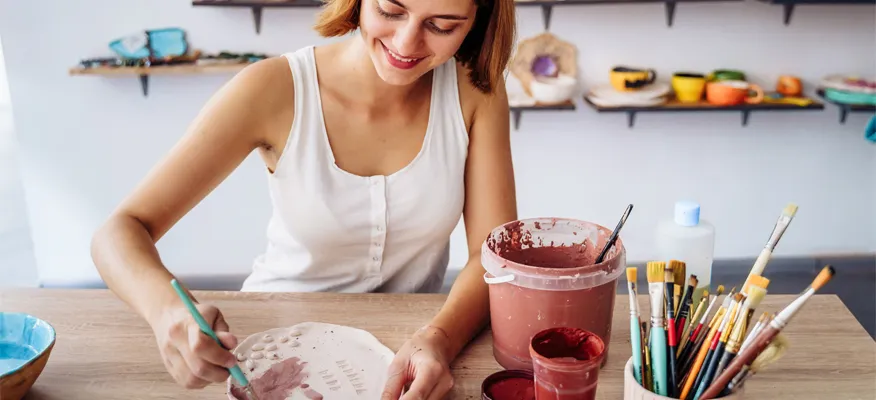
Have you ever found yourself absorbed in a creative project, so engrossed in your masterpiece that you lose all track of time? As you dip your brush into the palette, there’s a certain peace that descends, and the world outside seems to blur. The beauty of creativity is not just about creating art. It often acts as a tonic for the mind, helping to soothe and heal.
The connection between creativity and mental wellness might seem like an unconventional concept, but it’s an intriguing one that sparks curiosity among many individuals. As we juggle the demands of our daily lives, stress and anxiety often seem like uninvited guests at the party.
Ever wondered how picking up that paintbrush or pen can influence your mental well-being? How can creating an art piece or writing a story help you navigate through life's challenges?
Stay tuned as we embark on this fascinating journey to understand the impact of creativity on mental wellness and how it could potentially transform your life!
Understanding the link between creativity and mental wellness
To comprehend the connection between creativity and mental wellness, it is essential to understand what each term signifies. Creativity refers to the ability to generate, develop, and express in a unique way. It’s about seeing things from a fresh perspective, solving problems in a new way, or drawing connections between seemingly unrelated phenomena.
On the other hand, mental wellness is the overall psychological well-being of an individual. It impacts how we think, feel, and act while coping with life. It also influences how we manage stress, relate to others, and make decisions. Mental wellness is important at every stage of life, from childhood to adolescence through adulthood.
Creativity and mental wellness go hand-in-hand. By engaging in creative activities, individuals can improve their mental wellness by achieving a state of calmness and connectedness. In fact, Generation Z individuals, born between 1997 and 2013, are harnessing this power of creativity to address their mental health concerns and boost emotional awareness.
Mental health benefits of creativity
Exploring creative pursuits can yield significant benefits for mental well-being. Here’s a deeper dive into why engaging in creative activities can be so beneficial:
- Reduction of stress: Immersing ourselves in creative endeavors, whether it’s painting, writing, or crafting, can serve as a powerful distraction from the pressures of daily life. By channeling our energy into artistic expression, we can effectively alleviate stress and experience a sense of calm and relaxation.
- Enhanced self-esteem: Accomplishing a creative project, whether big or small, can instill a profound sense of accomplishment and pride. Completing a painting, writing a poem, or crafting a piece of jewelry provides tangible evidence of our skills and abilities, boosting our self-esteem and confidence in our creative capabilities.
- Emotional release: Artistic expression offers a unique outlet for processing and releasing pent-up emotions. Through painting, drawing, or sculpting, we can externalize feelings that may be difficult to articulate verbally. The act of creation allows us to explore and confront complex emotions in a safe and cathartic manner, fostering emotional healing and self-discovery.
- Promotes mindfulness: Engaging in creative activities requires us to be fully present in the moment, immersing ourselves in the creative process. Whether we’re meticulously sketching a landscape or losing ourselves in the rhythm of writing, creativity encourages mindfulness by fostering a deep sense of focus and concentration. By grounding ourselves in the present moment, we can cultivate greater awareness and appreciation for the beauty of life unfolding around us.
Promoting mental wellness through artistic expression
Artistic expression is one of the most effective ways to harness creativity for mental wellness. Art, in all its forms, allows us to explore our inner worlds, express emotions creatively, and foster a deeper connection with ourselves.
Painting is a great example - as each brush stroke hits the canvas, feelings, thoughts, and emotions take form. It’s a non-verbal language of the soul that allows us to explore our depths without judgment or restriction. Similarly, music can evoke strong emotions, provide comfort, and serve as a powerful outlet for self-expression.
Dance is another medium that combines physicality with emotionality. The rhythmic movements help relieve stress, improve mood, and enhance body awareness - contributing to overall mental wellness.
Tips to incorporate creative activities for better mental health
You don’t have to be an artist or a musician to enjoy the mental health benefits of creativity.
Here are some tips to help you integrate creativity into your daily life:
- Start small: Begin with simple activities like doodling, cooking a new recipe, or arranging flowers. These small acts of creativity can still have a significant impact on your wellbeing.
- Make it a routine: Try to incorporate creativity into your daily routine, even if it’s just for a few minutes. Whether it’s writing in a journal, taking photographs, or practicing a musical instrument, consistency can help cultivate a sense of creative fulfillment.
- Choose activities you enjoy: Remember that creativity is not about performing perfectly. Focus on activities that bring you joy and satisfaction, whether it’s painting, gardening, or experimenting with DIY projects. The key is to engage in activities that resonate with your interests and passions.
- Get social: Consider engaging in creative activities with friends or family members. Whether it’s attending a pottery class together, cooking a meal as a group, or hosting a crafting night, sharing creative experiences can strengthen bonds and foster a sense of connection and belonging.
- Pen down your thoughts: Keeping a journal allows you to express emotions through words. Whether you’re jotting down reflections on your day, exploring your innermost feelings, or simply capturing fleeting moments, journaling provides a safe and private space to process your thoughts and experiences.
- Try out different forms of art: Whether it’s painting, sketching, or even digital art, exploring different artistic mediums offers a diverse range of opportunities for self-expression. Each form of art brings its own unique challenges and rewards, allowing you to experiment with colors, shapes, and textures to convey your thoughts and emotions in a visually captivating way.
- Learn a new craft: Engaging in hands-on activities allows you to tap into your creativity while also learning new skills and techniques. Whether you’re sculpting clay into intricate shapes or weaving yarn into beautiful patterns, the process of creating something with your own hands can be incredibly fulfilling.
- Sign up for art classes: This can be a great way to learn, create, and socialize with others who share similar interests. Whether you’re interested in painting, drawing, or pottery, taking art classes offers structured guidance and support from experienced instructors. It’s also an opportunity to connect with fellow artists, share ideas, and gain inspiration from others.
Conclusion
The relationship between creativity and mental wellness is profound. Creative activities can act as a form of self-care that nurtures mental health. They provide an outlet for self-expression, stimulate brain function, and offer a sense of accomplishment that boosts self-esteem.
In our bustling lives, it’s easy to overlook our mental wellness. It's crucial to make time for activities that promote relaxation and joy. The next time you feel stressed or overwhelmed, remember that there's healing power in picking up that paintbrush or pen. Believe in the magic of creating because creativity isn't just about making art - it's about creating a healthier, happier you.
Frequently Asked Questions
Yes, definitely! Engaging in creative activities can help reduce stress levels significantly. When we immerse ourselves in creating something, it diverts our attention from worries and stressors, promoting relaxation. This process is often called "flow," where you become so engrossed in what you're doing that you lose track of time.
Creativity is beneficial for everyone, not just for those who identify as artists. Whether it's painting, cooking, gardening, writing, or any other creative activity - they all provide mental health benefits. The key is to find something you enjoy and make time to engage in that activity regularly.
Certainly! Everyone possesses creativity in one form or another. You don't have to be an artist or musician to tap into your creative side. Simple day-to-day activities like cooking a new recipe or rearranging your workspace can stimulate creativity and thereby contribute to mental wellness.
Creativity plays a pivotal role in self-discovery and personal growth. Engaging in creative activities provides us with a better understanding of our likes, dislikes, strengths, and weaknesses. Moreover, it fosters resilience and adaptability, key components of personal growth.
While creativity has been shown to have positive effects on mental wellness, it should not be used as a substitute for professional help. If you're dealing with serious mental health issues, it's important to consult with a healthcare professional who may recommend therapy, medication, or a combination of both, along with creative activities for comprehensive treatment. Remember, our mental wellness deserves the same attention and care as our physical health.
There are numerous ways you could incorporate creativity into your routine. This could be anything from painting, writing, knitting, cooking, or even gardening – basically anything that allows you to express yourself creatively. You can start small by dedicating just a few minutes each day and gradually increasing the time as you become more comfortable.
Journaling is a great way to get started. It not only improves your writing skills but also helps in expressing thoughts and feelings that might be difficult to convey verbally. Other activities could include DIY craft projects, gardening, baking, or even rearranging your furniture. Remember, it's all about enjoying the process rather than focusing on the end result.

Deborah Onoja
Deborah Onoja is a passionate Registered Nutritionist-Dietitian with a Bachelors of Science degree in Nutrition & Dietetics obtained from Federal University of Agriculture, Abeokuta. She qualified as a Registered Dietitian after completing her Dietetic Internship training at the University of Nigeria Teaching Hospital, Enugu where she was exposed to clinical dietetics. She also holds a Masters degree in Clinical Nutrition and Diet Therapy from the University of Ibadan.
Did you like our Article?
Excited
0
Happy
0
Not Sure
0
Silly
0
- Creativity and mental health: A profile of writers and musicians
- Creative Arts: Enhancing Mental Health and Well-being
- How do creative hobbies benefit your health?
- Navigating mental wellness in the creative arts
- How arts can help improve your mental health
- Being Creative Makes You Happier: The Positive Effect of Creativity on Subjective Well-Being
- Here's How Creativity Actually Improves Your Health
- How do creative hobbies benefit your health?
- How Flexing Your Creativity Can Benefit Your Health
- How does creativity benefit mental health and wellbeing?
- The connection between creative expression and mental wellbeing
Our team of experts frequently monitors developments in the health and wellness field, and we update our articles when new information becomes available.
Current Version
May, 29 2024
Written By
Deborah Onoja


Leave a Comment