
A Guide to Managing Your Anxiety and Finding Calm
Key Highlights
- Understanding the nature of anxiety is the first step towards managing it.
- Anxiety can have significant physical and emotional impacts.
- A variety of techniques, including deep breathing and mindfulness, can alleviate anxiety.
- Making lifestyle changes, such as a balanced diet and regular exercise, can help in managing anxiety.
- Professional help is available and beneficial when dealing with severe anxiety.

Ever have one of those days where it seems like everything is moving at warp speed, and you're just trying to keep up? Between career demands, family responsibilities, and trying to squeeze in a little ‘me time’, it can feel like we’re living in a whirlwind of chaos. And let’s not even mention the current state of the world!
In times like these, it can be easy for feelings of anxiety to sneak up on us. Suddenly, those butterflies in your stomach feel more like a stampede and your thoughts are racing faster than a sprinter at the Olympics.
You’re not alone in this. According to the Anxiety and Depression Association of America (ADAA), anxiety disorders are the most common mental illness in the U.S., affecting 40 million adults aged 18 and older, or 19.1% of the population every year.
Still, amidst all this turmoil, finding calm is not just a possibility but a necessity for your overall well-being. So how do we do it? How do we find that elusive tranquility in the midst of the pandemonium?
Stick with us as we share practical techniques to manage anxiety and discovering serenity even in the face of chaos.
Understanding anxiety
Anxiety, in simple terms, is a response to stress that causes feelings of worry, fear, or unease. It is normal to feel anxious about moving to a new place, starting a new job, or taking a test. This kind of anxiety is unpleasant, but it may motivate you to work harder and do a better job. This is everyday anxiety.
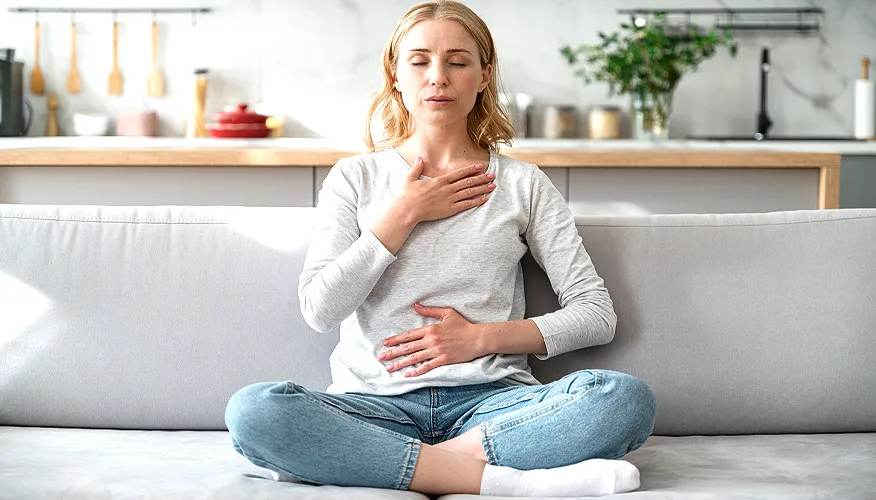
However, for some people, anxiety becomes so frequent or so forceful that it begins to take over their lives. Persistent, excessive fear or worry about ordinary situations is known as anxiety disorder. These feelings of anxiety interfere with daily activities, are difficult to control, are out of proportion to the actual danger, and can last a long time.
The impact of anxiety
Anxiety can impact every area of your life. It can interfere with your ability to work, study, maintain relationships, and enjoy life. Let's take a closer look at some of its effects:
Physical health
Long-term anxiety and panic attacks can lead to heart disease, digestive problems, respiratory disorders, and hormonal imbalances.
The constant state of alertness and tension associated with anxiety can put undue strain on your cardiovascular system, disrupt your digestive processes, and compromise your immune function, leaving you vulnerable to a range of illnesses and ailments.
Emotional health
Anxiety doesn’t just stop at affecting your physical health; it can also take a toll on your emotional well-being. Anxiety often coexists with other mental health disorders like depression, amplifying feelings of sadness, hopelessness, and despair.
The relentless cycle of worrying and apprehension can drain your emotional reserves, making it challenging to find joy and fulfillment in daily life.
Social life
Anxiety has a way of insidiously infiltrating your social interactions, causing you to withdraw and avoid social situations altogether. The fear of judgment, embarrassment, or being overwhelmed by unfamiliar environments can lead to self-imposed isolation and loneliness.
As a result, you may find yourself missing out on opportunities for connection and meaningful relationships, further exacerbating feelings of alienation and distress.
Techniques to manage anxiety
Managing anxiety can feel like navigating through a stormy sea, but fear not! There are several techniques you can employ to help navigate those turbulent waters and find a sense of calm amidst the chaos.
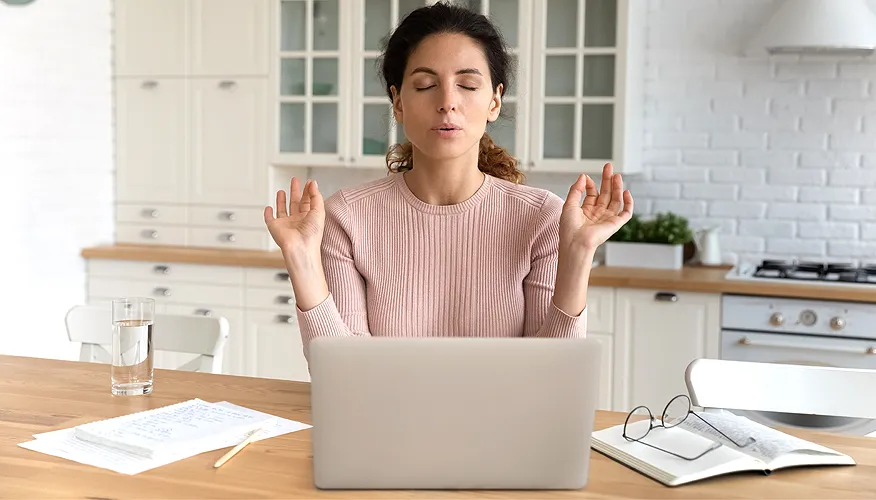
Let's explore a few strategies you can try:
1. Deep breathing exercises
One of the simplest yet most effective techniques for managing anxiety is deep breathing. By focusing on slow, deep breaths, you can activate the body's relaxation response and calm your nervous system.
Try inhaling deeply through your nose for a count of four, holding your breath for a moment, and then exhaling slowly through your mouth for a count of six. Repeat this cycle several times, allowing yourself to sink deeper into a state of relaxation with each breath.
2. Mindfulness meditation
Mindfulness meditation involves paying attention to the present moment without judgment, allowing you to observe your thoughts and feelings without becoming overwhelmed by them.
Regular meditation practice can help you develop greater awareness and acceptance of your internal experiences, reducing the grip of anxiety over time. Set aside a few minutes each day to sit quietly and focus on your breath or engage in a guided meditation session to reap the benefits of this powerful practice.
3. Progressive muscle relaxation
Progressive muscle relaxation is a technique that involves systematically tensing and relaxing different muscle groups in your body to release tension and promote relaxation. Start by tensing a specific muscle group, such as your shoulders or fists, for a few seconds, then slowly release the tension while focusing on the sensation of relaxation.
Continue this process throughout your body, moving from one muscle group to the next, until you feel a sense of overall calm and relaxation.
4. Cognitive behavioral therapy (CBT)
CBT is a highly effective form of therapy that can help you identify and challenge negative thought patterns and beliefs that contribute to anxiety. By learning to recognize and reframe distorted thinking, you can develop more adaptive ways of coping with stressful situations and reduce anxiety symptoms.
Consider seeking the guidance of a qualified therapist trained in CBT to learn practical strategies for managing your anxiety.
5. Seeking support
You don't have to navigate the challenges of anxiety alone. Reach out to supportive friends, family members, or a mental health professional who can offer guidance, encouragement, and a listening ear.
Joining a support group or online community for individuals dealing with anxiety can also provide a sense of belonging and validation, knowing that you're not alone in your struggles.
Lifestyle changes for better mental health
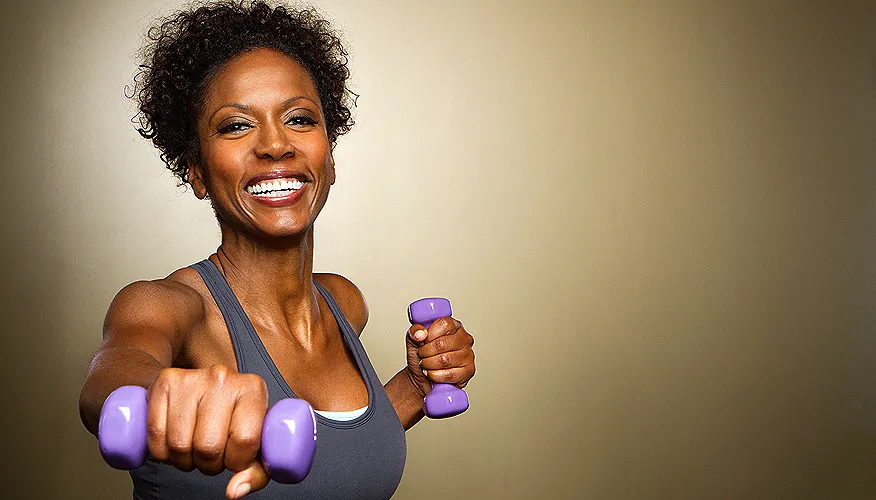
If you’re dealing with anxiety, certain lifestyle changes can help to alleviate symptoms and improve your overall mental health:
- Physical exercise: Exercise releases endorphins, chemicals in the brain that act as natural mood lifters, helping to reduce feelings of anxiety and stress. Aim for at least 30 minutes of moderate-intensity exercise most days of the week, whether it's brisk walking, jogging, swimming, or yoga, to reap the mental health benefits of physical activity.
- Limiting caffeine and alcohol: While it may be tempting to reach for that extra cup of coffee or glass of wine to take the edge off anxiety, caffeine and alcohol can exacerbate symptoms in some individuals. Both substances can disrupt sleep patterns, increase heart rate, and trigger feelings of jitteriness and agitation, making anxiety symptoms worse.
- Balanced diet: Certain foods, such as those rich in omega-3 fatty acids, antioxidants, and complex carbohydrates, have been linked to improved mood and reduced anxiety levels. Incorporate plenty of fruits, vegetables, whole grains, lean proteins, and healthy fats into your meals to support optimal brain function and emotional well-being.
- Adequate sleep: Getting enough quality sleep is essential for both physical and mental health, and it plays a significant role in managing anxiety. Lack of sleep can exacerbate feelings of stress and anxiety, making it more difficult to cope with daily challenges. Aim for 7-9 hours of uninterrupted sleep each night and establish a relaxing bedtime routine to promote restful sleep.
More than anything, remember to take time for yourself. Doing things you enjoy is a natural way to relieve stress and distract yourself from worries.
Professional help for anxiety
If you’re finding it difficult to manage anxiety on your own, it’s essential to seek professional help. Mental health professionals, including psychologists and psychiatrists, are trained to diagnose and treat anxiety disorders. They can guide you in understanding your anxiety and learning coping techniques.
Medication is another treatment option that may be recommended by healthcare providers. Antidepressants, benzodiazepines and certain types of beta-blockers are often used to manage the symptoms of anxiety disorders.
Conclusion
Anxiety is a prevalent concern that affects many individuals globally, but it doesn’t have to rule your life.
By understanding the root cause of your anxiety, acknowledging its impact on your life, implementing effective management techniques, making positive lifestyle changes, and seeking professional help when necessary, you can navigate through the chaos brought on by anxiety.
Remember, seeking help is not a sign of weakness; instead, it's a step towards reclaiming your life from the grips of anxiety. So don’t shy away from asking for help when the going gets tough. After all, managing anxiety is not about eliminating fear, but about finding calm amidst the chaos.
Frequently Asked Questions
Yes, there are various relaxation techniques like deep breathing exercises, progressive muscle relaxation, visualization techniques, and mindfulness practices that can help manage anxiety. These techniques help you focus on the present moment and reduce the impact of stressors.
Absolutely! Cognitive Behavioral Therapy (CBT) is typically considered as the most effective therapy for dealing with anxiety disorders. It helps change negative thought patterns into positive ones, thereby reducing anxiety symptoms over time.
Supporting a loved one with anxiety can begin with understanding their condition and being patient with them. Encourage them to seek professional help if needed. Simple things like listening without judgment and reassuring them that they are not alone can make a significant difference.
The time to see results from these techniques can vary greatly depending on the level of anxiety and individual response. Some might notice improvements within a few weeks, while others may take a few months. Remember, managing anxiety is a journey and takes time, so patience is key.
Yes, certain foods can help reduce anxiety levels. Foods rich in tryptophan like turkey and cheese can increase serotonin levels in the brain, promoting feelings of calmness and happiness. Foods high in antioxidants such as berries and dark chocolate can also have a soothing effect on the mind.
Incorporating mindfulness practices into your daily routine can be as simple as taking a few moments each day to focus on your breath, noticing the sensations in your body, and acknowledging your thoughts without judgment. You can practice mindfulness while sitting quietly, during a walk, or even while doing chores. Over time, these small moments of mindfulness can greatly reduce anxiety levels.

Dr. Iunis Galina Ivanovna
Dr. Iunis Galina Ivanovna is a Neurologist from Ukraine. She graduated from the Luhansk State Medical University in 1998, and has been in the medical profession since then. In the course of her career as a neurologist, Dr. Ivanovna has gathered extensive experience and expertise having handled a wide variety of cases.
Did you like our Article?
Excited
0
Happy
0
Not Sure
0
Silly
0
- Anxiety
- Anxiety Disorders
- Anxiety
- Anxiety Disorders - Facts & Statistics
- The impact of anxiety upon cognition: perspectives from human threat of shock studies
- Managing and treating anxiety
- Coping with an anxiety disorder tips
- Self-care for anxiety
- Tips and Strategies to Manage Anxiety and Stress
- Nutritional strategies to ease anxiety
- Anxiety disorders
Our team of experts frequently monitors developments in the health and wellness field, and we update our articles when new information becomes available.
Current Version
May, 21 2024
Written By
Dr. Iunis Galina Ivanovna
Fact checked By
Dr. Dovbakh Olga Dmitrivna


Leave a Comment